 Bradenton Window
 Storm Damage Roof Repair Built for Village of the Arts
Village of the Arts sits close in to downtown Bradenton, and like most of the older residential pockets in this part of Manatee County, its housing stock has been through a lot of weather. Many of the homes here are smaller-footprint bungalows and cottages, some original, some remodeled or converted into studio and gallery space over the years. That mix matters when a roof takes a hit from a storm, because the right repair depends on what's actually under the shingles or membrane — not just what the roof looks like from the street.
After a named storm, a strong summer squall line, or even a few months of accumulated wind and UV stress, the damage is rarely limited to one obvious spot. We treat storm damage repair in this neighborhood as a full diagnostic job first and a repair second, because patching over a problem you can't see is how a small leak becomes a bigger one.
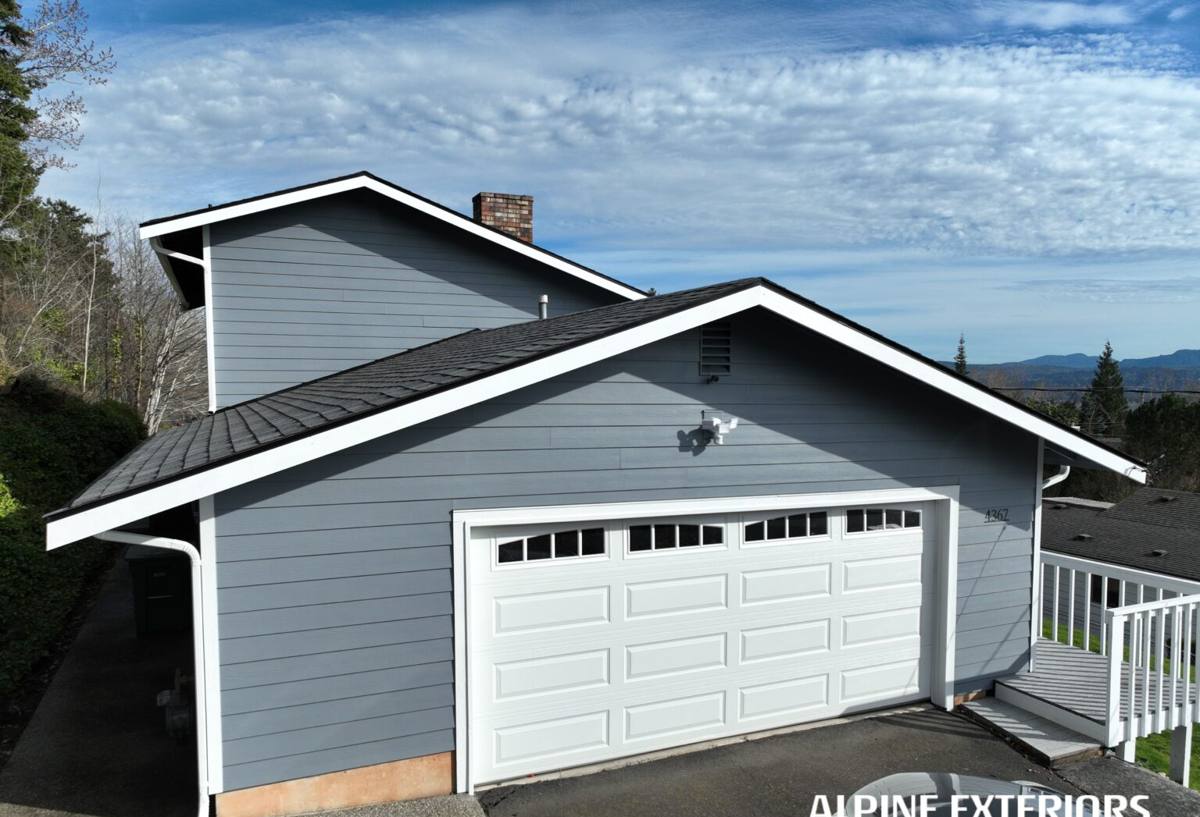
Why This Neighborhood's Roofs Take a Different Kind of Beating
Bradenton sits close enough to the Gulf that salt-laden air, hurricane-force wind events, wind-driven rain, and near-constant UV exposure all combine to shorten the working life of roofing materials faster than in inland areas. In Village of the Arts specifically, we also see:
- Older roof decks and framing on original-era homes that may not meet current wind uplift standards without reinforcement
- A mix of roof types — conventional asphalt shingle on primary residences alongside lower-slope or flat sections on converted studio buildings and additions
- Mature tree canopy on smaller lots, which means more debris impact and more shaded, slower-drying roof sections after wind-driven rain
- Tight setbacks between homes, which can complicate safe staging and material access during repairs
None of this is unique to Village of the Arts alone, but the combination of older construction with a walkable, tree-shaded arts district layout is a specific set of conditions worth planning around rather than treating like any other Bradenton street.
What "Storm Damage" Actually Covers
Homeowners often think of storm damage as missing shingles after a hurricane. In practice, it's a broader category that includes wind uplift at the edges and ridges, granule loss from wind-driven rain and hail, flashing separation around chimneys and vents, torn or lifted underlayment exposed by shingle loss, and slow-developing leaks from repeated micro-movement during lesser storms that never got inspected. Manatee County sees enough tropical and subtropical weather in a typical year that even homes without a single dramatic storm event can accumulate this kind of wear.
What a Correct Storm Damage Repair Involves
A repair that actually holds up needs to address the cause, not just the visible symptom. Our process on storm-damaged roofs generally covers:
- Full roof and attic inspection — walking the roof surface and checking the attic or crawl space for moisture staining, deck sag, or insulation damage that points to a leak path different from where the exterior damage shows up
- Documentation — photos and notes of the damage extent, useful whether you're filing an insurance claim or just want a clear record of what was found and fixed
- Deck and underlayment check — any wet, soft, or delaminated decking gets replaced; underlayment gets restored to current code, not just patched around
- Flashing and penetration review — chimneys, vent stacks, skylights, and wall-to-roof transitions are common leak points after wind events and get checked even if they weren't the obvious damage
- Matching repair materials — shingle color and profile matched as closely as possible when it's a section repair rather than a full replacement
- Fastening to current wind standards — repaired sections get nailed and sealed to today's wind uplift requirements, which is often a real improvement over how the original roof was installed decades ago
Skipping any of these steps is how a roof gets a repair that looks fine for a season and then fails again in the next significant wind event.
Repair vs. Replacement: How We Help You Decide
Not every storm-damaged roof needs a full replacement, and not every roof that "looks okay" from the ground is actually fine. The honest answer depends on the age of the roof, the extent of the damage, and how much of the underlying deck and structure is still sound.
| Factor | Leans toward repair | Leans toward replacement |
|---|---|---|
| Roof age | Under 10-12 years, shingles otherwise in good shape | Near or past manufacturer's expected service life |
| Damage extent | Isolated section, single slope, or localized flashing failure | Widespread granule loss, multiple slopes affected, repeated storm hits over time |
| Deck condition | Solid, dry decking under the damaged area | Soft, delaminated, or water-stained decking across large sections |
| Insurance situation | Claim covers a defined repair scope | Adjuster scope or damage extent supports full replacement |
| Future plans | Planning to stay long-term and want to preserve existing materials | Preparing to sell, or want the wind-rating benefits of an entirely new system |
We'll give you a straight answer on which side of that table your roof falls on, and we won't sell a full replacement when a properly done repair will hold.
Insurance and Storm Claims: What We Can and Can't Do
We're happy to document damage thoroughly, provide photos, and put together a written scope that you can share with your insurance carrier or adjuster. What we won't do is inflate damage, write up work that wasn't actually needed, or promise a specific claim outcome — that's between you and your insurer. A clear, honest inspection report tends to move claims along faster than an exaggerated one, and it protects you if there's ever a question about the work later.
Our Process for Village of the Arts Homeowners
Because many homes here sit close together with mature trees and tight side yards, we plan the logistics of a repair before we ever get on the roof:
- Initial phone or in-person conversation to understand what happened and what you're seeing (leaks, missing shingles, debris strikes)
- On-site inspection of the roof surface, flashing, and attic space, with photo documentation
- Written scope of work and cost range before any work starts — no surprise add-ons without a conversation first
- Careful staging and material handling suited to smaller lots and close-set neighboring homes
- Daily cleanup so nail and debris hazards don't linger in a walkable, foot-traffic neighborhood
- Final walkthrough with you before we consider the job done
A Quick Homeowner Checklist After a Storm
- Check the attic or ceiling for new water stains, even faint ones
- Look from the ground for missing, curled, or displaced shingles — don't climb onto the roof yourself after a storm
- Note any debris strikes from tree limbs, especially under mature canopy
- Check gutters and downspouts for granule buildup, which signals accelerated shingle wear
- Photograph anything visible before cleanup, for your own records
- Get an inspection promptly — a delayed look at minor damage is how small leaks turn into deck rot
Materials and Workmanship Standards We Hold To
For repairs and replacements alike, we favor roofing systems and installation methods that are proven to perform under Gulf Coast conditions: proper wind-rated fastening patterns, quality underlayment as a genuine second line of defense against wind-driven rain, and flashing details that are sealed and formed correctly rather than just caulked over. Where a homeowner's existing materials are sound, we'll match and extend them rather than push an unnecessary upgrade. Where age or damage extent makes replacement the more honest recommendation, we'll explain exactly why.
Why Hire a Crew That Already Works This Neighborhood
A roofer who already understands Village of the Arts' older housing stock, tighter lot layout, and tree cover doesn't have to learn those constraints on your job. That familiarity shows up in small but real ways — knowing to check attic ventilation on older converted structures, planning material staging around narrow side yards, and recognizing when a roof's age and construction era call for extra scrutiny on deck condition before any repair goes forward. It's the difference between a crew passing through and one that treats your roof like it understands the neighborhood it's working in.
If your roof took damage from a recent storm — or you're just not sure whether that wind-driven rain last month left something behind — we'll come take an honest look. The estimate is free, there's no pressure to move forward, and you'll get a clear, written scope either way. Use the form below to get started.