 Bradenton Window
 Building New in Whitfield Estates: What the Windows Have to Handle
Whitfield Estates sits close enough to Sarasota Bay and the Gulf that every material choice on a new build gets tested by the same handful of conditions: hurricane-force wind events, wind-driven rain that gets pushed sideways into wall assemblies, salt-laden air that accelerates corrosion on anything not rated for coastal exposure, and UV load that runs nearly year-round in this part of Manatee County. When you're building new, windows aren't a retrofit decision you can revisit easily later — they get set into the rough opening, flashed, and buried behind stucco or siding before the house is finished. Getting the product, the flashing detail, and the install sequence right at that stage matters more here than almost anywhere else in the build.
A lot of the older homes in and around Whitfield Estates are being renovated or replaced with new construction, which means we're often installing windows on lots where the surrounding tree canopy, lot orientation toward the water, and existing drainage patterns all factor into how a house will actually perform in a storm — not just what the code minimum requires.
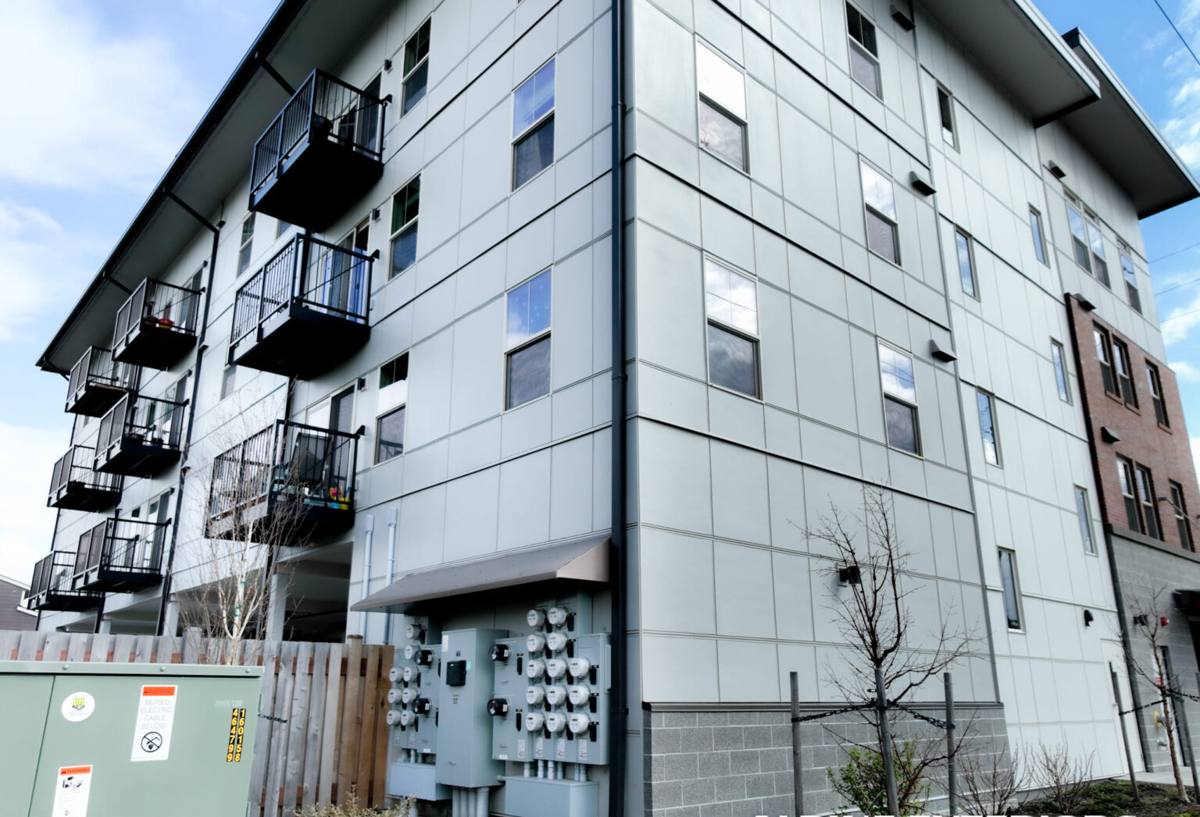
Florida Building Code and What It Means for a New Build Here
Manatee County enforces the Florida Building Code's wind-borne debris and wind pressure requirements, and Whitfield Estates falls within the coastal wind zones that trigger the stricter design pressure ratings. On a new-construction project, this isn't optional or something a builder can leave for later — window selection and the Notice of Acceptance (NOA) or Florida Product Approval documentation for each opening has to be locked in before permitting moves forward, and inspectors will check it.
What we confirm before ordering a single window
- Design pressure (DP) rating required for each elevation and opening size, based on the site's wind exposure category
- Whether the opening needs impact-rated glazing or an approved impact protection system (shutters, panels) as an alternative
- Correct product approval documentation matched to the exact window model, not just the manufacturer's general rating
- Egress sizing for bedroom openings per code
- Energy code compliance (U-factor and SHGC) for the glass package
Skipping any of this doesn't just risk a failed inspection — it can hold up your certificate of occupancy, which on a new build affects your closing or move-in date.
Why Rough Opening and Flashing Detail Decide the Outcome
Most window failures we get called to look at, on any coastal project, trace back to how the opening was prepared and flashed — not to the window itself. On new construction, this is actually the easiest stage to get right, because there's no old wall assembly to work around. But it's also the easiest stage to rush if the install is squeezed into a tight framing-to-dry-in schedule.
What a correct new-construction install actually involves
- Rough openings sized and squared to the window manufacturer's exact tolerances — not "close enough"
- Sill pan flashing installed before the window goes in, so any water that gets past the frame drains back out instead of into the wall cavity
- Weather-resistant barrier integrated with the flashing in the correct shingle-lap order, so water sheds outward at every layer
- Fasteners and shims placed per the product approval, not just "wherever it holds" — under-fastening is a common cause of blow-outs in high wind
- Sealant compatible with both the window frame material and the wall assembly, applied at the right joints only (over-sealing can trap water instead of letting it drain)
On a coastal lot like Whitfield Estates, wind-driven rain doesn't fall straight down — it drives horizontally into the wall during a storm. A window that's watertight in a light rain can still leak badly in a named storm if the flashing detail wasn't built to handle water moving sideways and upward at the sill.
Choosing the Right Window for This Site
New construction gives you more flexibility than a replacement job, since the opening isn't fixed by an existing frame. That's the point in the process to think about frame material, glass package, and impact protection strategy together, rather than defaulting to whatever a builder's standard spec sheet lists.
| Factor | What to Weigh |
|---|---|
| Frame material | Vinyl and fiberglass resist salt-air corrosion better than uncoated aluminum; aluminum frames need a marine-grade finish if used near the water |
| Glazing | Impact-rated laminated glass protects against debris and removes the need for storm shutters on those openings, at a higher upfront cost |
| Impact protection | Non-impact glass paired with code-approved shutters costs less upfront but means someone has to deploy protection before every storm |
| Glass coating | Low-E coatings cut heat gain significantly in year-round Florida sun and reduce cooling costs |
| Hardware | Stainless steel or coated hardware holds up far longer than standard-grade hardware in salt air |
We'll walk through these trade-offs with you and your builder before anything is ordered, since window lead times on impact-rated product can run several weeks and this decision needs to be locked in early in the framing schedule.
Our New-Construction Window Process
New-construction work runs on the builder's timeline, so our process is built to slot into a framing and dry-in schedule without becoming the bottleneck.
| Stage | What Happens |
|---|---|
| Plan review | We review architectural drawings and window schedule, confirm DP ratings and product approvals for each opening |
| Ordering | Windows ordered with enough lead time to hit the builder's dry-in date, factoring in impact-glass production times |
| Rough opening check | We verify framed openings are square and correctly sized before install day, and flag issues to the framer early |
| Flashing and install | Sill pan flashing, window set, fastening per product approval, WRB integration |
| Inspection support | Documentation ready for the building inspector — product approvals, fastening schedule, flashing details |
| Final walkthrough | Operation check on every window, sealant and trim inspection before the builder moves to finish work |
Working With Your Builder or General Contractor
On most new-construction jobs, we're one trade among several working against the same schedule, so communication with the GC matters as much as the install itself. We coordinate directly with the framing crew on rough opening tolerances, with the stucco or siding crew on flashing sequencing, and with the builder's inspector scheduling so window inspection doesn't stall the job. If you're an owner-builder rather than working through a GC, we can walk you through what each trade needs from the window install before their stage starts, so nothing gets covered up before it's been checked.
What New-Construction Windows Cost, and Why the Range Is Wide
Pricing on a new build depends heavily on how many openings, what sizes, and how much of the house is impact glass versus shutter-protected. A modest home with a handful of standard-size openings in vinyl frames costs meaningfully less than a larger home with large-format impact glass on every elevation facing the water. Rather than quote a number that won't apply to your plan, we price off your actual window schedule once we've reviewed the drawings — that's the only way to give you a figure you can actually build a budget around.
Before You Sign Off on a Window Package: A Checklist
- Does every opening have documented product approval matching the exact window model, not a general manufacturer rating?
- Are design pressure ratings confirmed for each elevation based on your lot's wind exposure?
- Is sill pan flashing specified in the install plan, not just sealant at the frame?
- Does the glass package meet Florida's energy code for U-factor and SHGC?
- Have lead times been confirmed against the builder's dry-in date?
- Is hardware rated for coastal salt-air exposure, not standard-grade?
- Has someone walked the rough openings for square and size before install day?
Why Local Experience in Whitfield Estates Matters
A crew that's worked new construction elsewhere in Florida but not specifically along this stretch of Manatee County's coastline can still get the code numbers right on paper and still miss the practical details — how a lot's tree cover changes exposure category, how close a site sits to the water and what that means for salt exposure on hardware, or how the local building department likes documentation packaged for inspection. We work new-construction window installs in and around Whitfield Estates and the greater Bradenton area regularly, which means fewer surprises at inspection and a build schedule that isn't waiting on us to figure things out for the first time on your job.
If you're building new in Whitfield Estates and want a straight answer on window options, code requirements, and what it'll cost for your specific plan, reach out for a free, no-pressure estimate — use the form below to get started.