 Bradenton Window
 Why Bradenton Beach Needs Its Own Approach to Window Installation
Bradenton Beach sits on Anna Maria Island, right against the Gulf of Mexico, which puts it in a different exposure category than most of the rest of Manatee County. A window that performs fine a few miles inland can fail early here — not because it's a bad product, but because it was never built or installed for direct Gulf wind, salt-laden air, and the pounding sun that comes off open water. Window installation in this neighborhood isn't just a smaller version of a citywide job. It's a coastal job, and it needs to be treated like one from the first measurement to the final bead of sealant.
We work Bradenton Beach regularly, alongside the rest of Manatee County, so this isn't guesswork for us. It shapes which products we recommend, how we prep the rough opening, and what fastening and flashing details we insist on even when a homeowner just wants "the cheapest option that meets code."
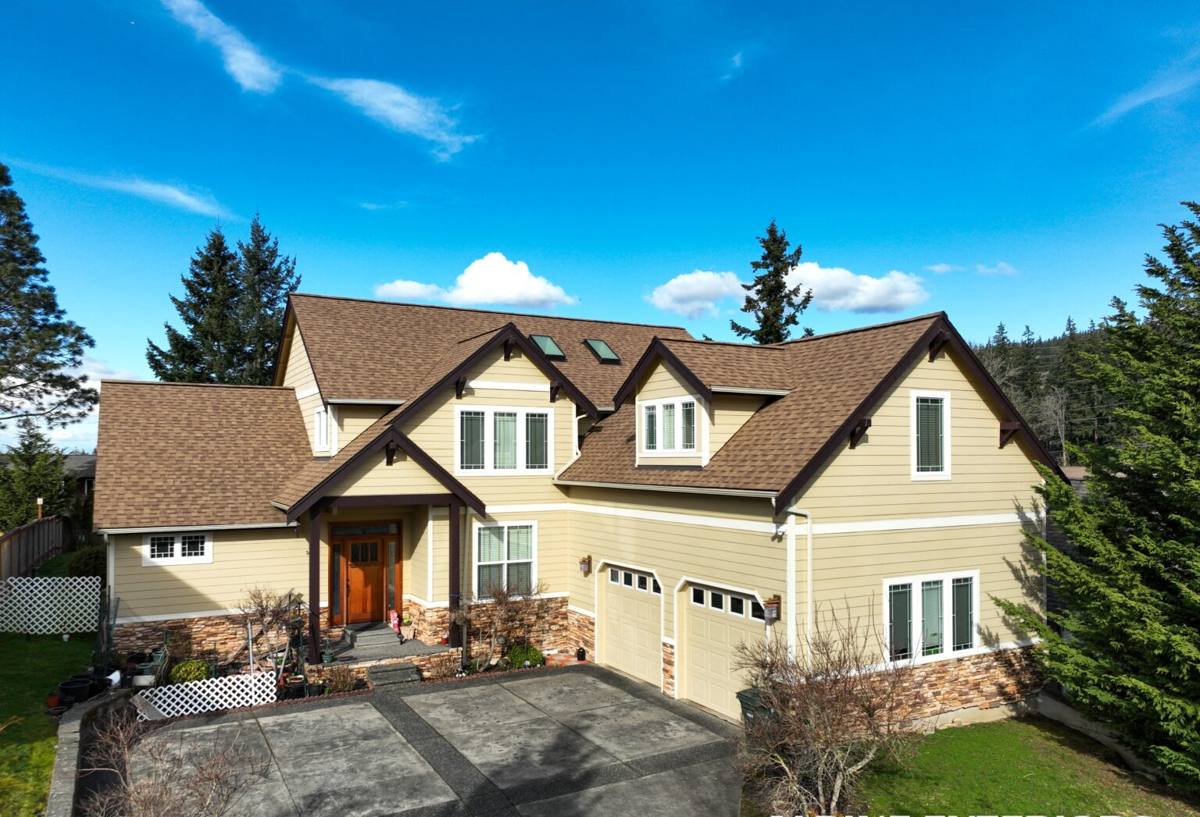
The Climate This Neighborhood's Windows Actually Fight
Four things do most of the damage to windows on Anna Maria Island and Bradenton Beach specifically, and they compound each other over time:
- Hurricane-force wind: Direct Gulf exposure means higher sustained wind loads and more debris impact risk during storms than homes set back from the water.
- Salt air corrosion: Airborne salt attacks unprotected fasteners, hardware, and lesser-grade aluminum framing year-round, not just during storms — it's a slow, constant process.
- Intense, near-constant UV: Florida sun degrades vinyl, seals, and low-quality glazing compounds faster near open water, where there's little shade and more reflected light off sand and water.
- Wind-driven rain: Storms here don't just drop rain straight down — wind pushes water sideways and upward into gaps that would stay dry in a calmer climate, which is why flashing and sealant detail matters more than the window itself.
None of this means a Bradenton Beach home needs to look like a bunker. It means the product selection and installation method both need to account for a harsher-than-average environment, and that starts with understanding what code already requires here.
What Florida Building Code Requires in This Zone
Manatee County sits in a wind-borne debris region under the Florida Building Code, and coastal areas like Bradenton Beach typically see some of the higher design wind speeds in the county because of direct Gulf exposure. In practical terms, that means:
- Replacement windows generally need to carry a valid Notice of Acceptance (NOA) or Florida Product Approval showing they've been tested for the wind pressures and impact requirements of the site.
- A building permit is typically required for window replacement in Manatee County and its municipalities, including Bradenton Beach — this isn't optional paperwork, and it protects you if there's ever an insurance claim or resale inspection down the line.
- Impact-rated glass or an approved protection system (rated shutters or panels) is usually required unless the home already has another approved method of opening protection.
We pull permits and handle inspections as part of the job rather than leaving that step to the homeowner. Skipping the permit might save a few days up front, but it creates real problems later — insurers and buyers both check for it, and unpermitted work can become a negotiating point (or a denied claim) you didn't see coming.
What a Correct Installation Actually Involves
The window itself is only part of the equation. Most window failures we get called out to inspect — leaks, fogging, air infiltration, or a unit that shifts in a storm — trace back to installation shortcuts, not the product. A correct job breaks down into a few non-negotiable stages.
Removal and Opening Prep
Old units come out carefully to avoid damaging the surrounding stucco, siding, or framing. Once the opening is exposed, we check the substrate for rot, moisture intrusion, or deteriorated framing — common in older Bradenton Beach homes that have taken decades of salt air and storm exposure. Any compromised material gets addressed before a new window ever goes in, because installing a hurricane-rated window into a soft or damaged opening defeats the purpose of the upgrade.
Flashing and Water Management
This is the step that gets skipped most often on rushed jobs, and it's the one that matters most in wind-driven rain. Proper flashing integrates with the home's existing weather-resistive barrier so water is directed out and away from the wall assembly, not just around the window frame. Done right, this is the difference between a window that stays dry in a tropical storm and one that leaks around the edges even though the glass itself never fails.
Fastening and Anchoring
Impact and high-wind-rated windows have specific, tested fastening schedules — fastener type, spacing, and embedment depth all come from the product's NOA, not from general practice. In a direct-Gulf location, we also pay close attention to fastener material, since standard hardware corrodes faster in salt air than corrosion-resistant options.
Sealing and Finishing
Backer rod and a quality, paintable sealant close the gap between frame and opening on both the exterior and interior. Interior air sealing and insulation get finished before trim goes back on — this affects comfort and energy performance as much as it affects appearance.
Choosing the Right Window for a Bradenton Beach Home
There isn't one "right" window for every house, but for direct Gulf exposure, some choices consistently make more sense than others. Here's how the common options stack up for this specific location:
| Option | Wind/Impact Performance | Salt Air Durability | Best Fit |
|---|---|---|---|
| Impact-rated vinyl | Meets wind-borne debris requirements without added shutters | Good — vinyl doesn't corrode, but UV-grade matters | Most Bradenton Beach homes; balances cost and protection |
| Impact-rated aluminum | Strong, often used where larger spans or commercial-grade framing are needed | Requires corrosion-resistant hardware and coatings | Homes wanting slimmer sightlines or larger openings |
| Non-impact glass + rated shutters | Meets code only when shutters are deployed and rated | Depends on shutter material and maintenance | Budget-conscious owners willing to manage shutters every storm |
| Standard (non-rated) replacement | Does not meet wind-borne debris code in this zone | Poor — not built for this exposure | Not recommended for direct Gulf-front property |
We steer most Bradenton Beach clients toward impact-rated vinyl or aluminum rather than the shutter route, mainly because permanent protection doesn't rely on anyone remembering to put panels up before a storm — and it also cuts outside noise and UV transmission every single day, not just during hurricane season.
Our Installation Process
- On-site assessment: We measure openings, inspect framing condition, and check for existing moisture or structural issues before quoting anything.
- Product selection: We walk through impact ratings, frame material, and glass options based on your home's exposure and budget — no upselling past what your house actually needs.
- Permitting: We handle the Manatee County or Bradenton Beach permit application and schedule required inspections.
- Removal and prep: Old units come out, openings are inspected and repaired as needed.
- Installation: Windows go in following the manufacturer's tested fastening schedule and proper flashing sequence.
- Sealing and finishing: Exterior and interior sealing, trim, and cleanup.
- Final inspection: We walk the job with you and confirm it passes the required county or city inspection.
Signs Your Current Windows Are Already Failing
Salt air and UV damage don't announce themselves overnight — they show up gradually. Worth checking for:
- Corrosion or pitting on aluminum frames, hardware, or hinges
- Cloudy or fogged glass between panes (a sign the seal has failed)
- Difficulty opening, closing, or locking that wasn't there a year or two ago
- Visible daylight or a draft around the frame when the window is shut
- Water staining on interior sills or the wall below a window after storms
- Chalky, brittle, or discolored vinyl frames from years of UV exposure
- Rising energy bills without another clear explanation
Any one of these is worth a look. Several at once usually means the windows are past the point where caulk and weatherstripping fixes will hold, especially heading into another storm season.
What Drives the Cost
We don't publish flat pricing because every home's exposure, opening count, and condition are different, but the main cost drivers are consistent across Bradenton Beach jobs:
| Factor | How It Affects Cost |
|---|---|
| Impact rating | Impact-rated glass and frames cost more upfront than non-rated, but remove the need for separate shutters or panels |
| Frame material | Vinyl is typically the most budget-friendly; aluminum and specialty finishes run higher |
| Opening condition | Rot, framing damage, or out-of-square openings add labor before the window can even go in |
| Number and size of openings | Larger picture windows and multi-window projects have different labor and material needs than standard bedroom-size units |
| Permit and code requirements | Included in a proper quote, but scope can shift if inspection reveals additional issues |
Get multiple quotes if you want, but make sure each one is comparing the same impact rating, frame material, and installation scope — a low number that skips proper flashing or uses a non-rated product isn't actually a better deal.
Why the Crew Matters as Much as the Window
A high-end, fully rated window installed with rushed flashing or the wrong fastening schedule will still leak or under-perform in a storm. A crew that already works Bradenton Beach and the surrounding barrier island understands the exposure without needing it explained — the corrosion patterns, the permitting process specific to this jurisdiction, and the real-world difference between "meets code on paper" and "actually holds up to a direct Gulf storm." That familiarity shows up in the small decisions made on site, not just in the brochure specs of the window itself.
If you're weighing window replacement for a Bradenton Beach home, we're happy to walk the property, look at what you're currently dealing with, and put together a straightforward, no-pressure estimate. There's a form below — reach out and we'll go from there.