 Bradenton Window
 Windows Built for Samoset's Corner of Manatee County
Samoset sits inside Bradenton, in Manatee County, close enough to the Gulf and the Manatee River that the weather here is never gentle for long. Homes in this part of Florida deal with hurricane-force wind events, intense sun nearly every day of the year, wind-driven rain that finds its way in sideways rather than straight down, and salt-laden air that works on metal and hardware year-round. Windows sit at the point where all of that outside weather meets the inside of your house, which is exactly why a window replacement done right matters more here than it would in a milder climate.
Bradenton Window Company replaces, repairs, and installs windows for homes throughout Samoset and the surrounding Bradenton area. We don't treat a window as a stand-alone product you pick off a shelf. It's one piece of a wall system that has to work together with the framing, flashing, and exterior finish around it, and in a coastal Florida climate, getting that system wrong is how homeowners end up with leaks, storm damage, or a window that fails years before it should.
What This Climate Actually Does to Samoset Windows
Hurricane-Force Wind Loads
Manatee County sits in a wind-borne debris region under the Florida Building Code, which means windows here have to be engineered and installed to handle both sustained wind pressure and the impact of flying debris during a storm. This isn't a box to check once and forget — it affects the glass, the frame reinforcement, the anchoring into the wall, and the permitting process for the job. A window that isn't rated or installed correctly for this wind zone is a real liability during hurricane season, not a theoretical one.
Intense, Year-Round UV Exposure
Florida sun is relentless in a way that few other climates match, and it doesn't ease up much from season to season. UV exposure breaks down vinyl frames, dries out and cracks weatherstripping and seals, and fades interior finishes near south- and west-facing windows faster than homeowners expect. Lower-grade vinyl and poorly formulated seals show this wear first — chalking, brittleness, and discoloration are usually UV damage, not just age.
Wind-Driven Rain and Flashing Failures
Rain in a storm doesn't fall straight down here — wind pushes it sideways into window flashing, head trim, and the sill beneath the frame. That sideways pressure tests the installation far more than it tests the window itself. A well-made window with poor flashing will leak; a modest window installed with correct flashing and a properly pitched sill pan usually won't. Most of the water intrusion we find around older Samoset windows traces back to installation shortcuts, not a bad product.
Salt Air and Hardware Corrosion
Samoset's proximity to the Manatee River and the Gulf means salt-carrying air is part of daily weather, not an occasional event. Over years, that accelerates corrosion on hinges, locks, screen frames, and lower-grade fasteners, especially on windows facing prevailing wind and sun. Hardware with a weak finish tends to show pitting or stiffness first, and once corrosion sets in around a lock or hinge, it's usually a sign the whole assembly is due for a closer look.
Frame Materials: What Actually Holds Up Here
There isn't one correct frame material for every home — budget, sun exposure, and how long you plan to stay in the house all factor into the decision. What matters is understanding the real trade-offs for a climate that combines heat, UV, storms, and salt air all at once.
| Frame Material | UV & Heat Behavior | Salt-Air & Corrosion Behavior | Typical Maintenance |
|---|---|---|---|
| Vinyl (quality-grade) | Formulated for UV stability; lower-grade vinyl can chalk or warp | Won't corrode; hardware quality still matters | Low |
| Fiberglass | Very dimensionally stable under heat and UV | Excellent; resists corrosion well | Low |
| Aluminum | Holds up structurally but conducts heat | Can corrode over time without a quality finish | Moderate |
| Wood, clad or painted | Attractive but vulnerable without diligent upkeep | Vulnerable at joints and sills without maintenance | Higher |
We'll walk you through which frame material fits your home's sun exposure, storm exposure, and budget, rather than defaulting to whichever product is easiest to sell. A shaded interior wall and a west-facing wall catching full afternoon sun on the same house don't always call for the same answer.
Impact-Rated Windows and Florida Building Code
Manatee County isn't in the state's High-Velocity Hurricane Zone the way Miami-Dade and Broward counties are, but homes here still fall under Florida Building Code wind-borne debris requirements, and replacement windows generally need to either be impact-rated or paired with code-approved protection. That means the glass, frame, and anchoring have to be tested and rated as an assembly, not just individually — a window can't be "made impact-rated" after the fact by adding a stronger pane of glass alone.
Permitting is part of a correct job. Manatee County and the City of Bradenton require permits for window replacement, and the work gets inspected against the wind and impact requirements that apply to your specific property. Skipping the permit might save time up front, but it leaves you without a documented, inspected installation — which matters at resale and matters even more if you ever need to file an insurance claim after a storm.
Impact Glass vs. Shutters
Impact-rated windows use laminated glass that stays intact even when the outer pane cracks, so debris and wind pressure don't open a hole in your wall. Shutters or panels paired with standard glass can also meet code, but they require action before every storm and don't do anything for daily UV exposure, noise, or energy performance the rest of the year. For most Samoset homeowners doing a full window replacement, impact glass ends up being the lower-hassle, longer-term choice, though we'll walk through both honestly based on your budget and your home.
Full-Frame Replacement vs. Insert Replacement
One of the first decisions on any window project is whether to do a full-frame replacement, which removes the old window down to the rough opening and rebuilds the flashing from scratch, or an insert replacement, which fits a new window into the existing, sound frame. The right call depends on the condition of what's already there.
| Factor | Insert Replacement | Full-Frame Replacement |
|---|---|---|
| Existing frame condition | Best when frame is sound and properly flashed | Necessary when there's rot or flashing failure |
| Cost & timeline | Generally faster and less costly | Costs more, takes longer |
| Impact upgrade | Can meet code if frame and anchoring qualify | Allows a full engineered assembly rebuild |
| Surrounding siding/trim | Minimal disruption | More disruption, but corrects hidden damage |
We'll tell you which situation your home is actually in rather than defaulting to the cheaper option and sealing a moisture problem up behind a brand-new window.
Signs a Samoset Home's Windows Need Attention
Not every window issue means full replacement, but a few signs are worth a professional look sooner rather than later, especially heading into hurricane season:
- Fogging or a hazy film between the panes of double-pane glass
- Windows that are hard to open, close, or lock, or that no longer latch tightly
- Visible cracking, chalking, or discoloration in the frame
- Rattling or whistling around the frame during windy weather
- Soft or discolored sills, which often points to wood rot beneath the surface
- Noticeable drafts or a jump in cooling costs during the hottest months
- Corroded, stiff, or pitted hardware around hinges and locks
Caught early, most of these point to a repair or reseal. Left through another storm season, several of them point to water damage already working its way into the surrounding wall.
Our Process for a Samoset Window Replacement
A correct window replacement in this climate isn't just swapping glass. Our process typically covers:
- An on-site evaluation of your current windows, frame condition, and any existing moisture or storm damage
- An honest recommendation on frame material, glass type, and full-frame vs. insert replacement based on what we actually find
- Pulling the required Manatee County or City of Bradenton permit before work begins
- Removing the old windows and inspecting the rough opening for hidden rot or flashing problems
- Installing new flashing and a properly pitched sill pan before the new window goes in
- Setting and anchoring the window to the manufacturer's and code's engineered specifications
- Sealing and finishing the interior and exterior trim
- A final walkthrough and scheduling the county inspection
Every one of those steps matters more here than it would in a calmer climate, because a shortcut at the flashing or anchoring stage doesn't show up as a problem until the next hurricane or the next heavy, wind-driven rain.
Why a Crew That Already Works Samoset Matters
A crew that installs and repairs windows across Bradenton through storm seasons, summer heat, and everything in between sees how wind, sun, and salt air actually behave on real houses over years, not just how a product performs on a spec sheet. That shows up in practical decisions on the job: how much reinforcement a given wall orientation needs based on prevailing wind, how a sill pan should be pitched for the amount of wind-driven rain a specific elevation actually sees, and which flashing and anchoring details are worth the extra time on install day so you're not dealing with a leak or a failed seal two storm seasons later. It also means understanding the difference between an older Samoset home built before current wind codes and a newer build down the street, and not applying the same approach to both.
Beyond Windows: Siding, Roofing, and the Rest of the Exterior
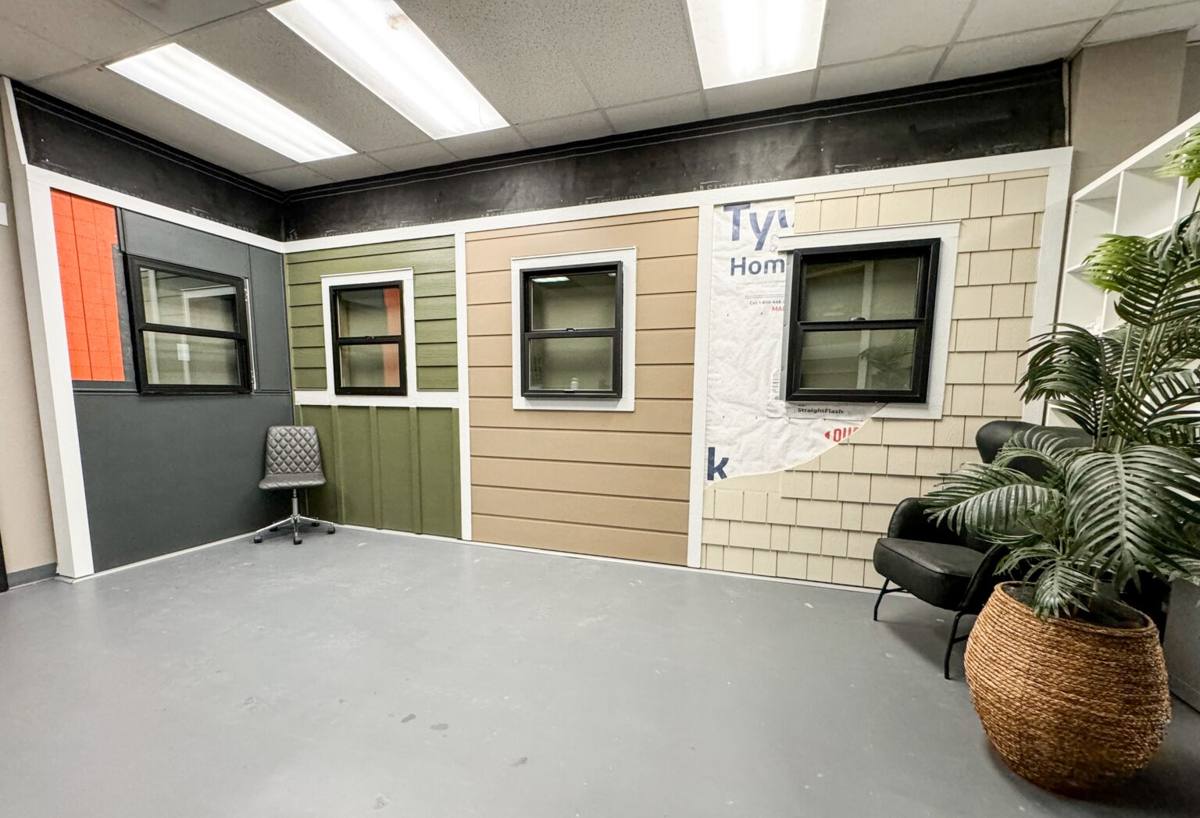
Windows are our focus, but the same climate that wears on a window wears on the rest of a home's exterior too. If a window project turns up moisture damage in the surrounding siding, trim, or a roof-to-wall transition that's letting water in above a window, we can address it as part of the same conversation instead of sending you to track down a second contractor. A house is one connected system, and treating it that way tends to catch problems before they turn into bigger repairs.
Get a Free, No-Pressure Estimate
If your Samoset home has windows that are fogging, drafty, hard to operate, or simply past due for an impact-rated upgrade, we're glad to take a look and give you a straightforward, honest read on what it actually needs. Reach out using the form below to schedule a free estimate — no pressure, no upsell script.