 Bradenton Window
 Siding in Bayshore Gardens Has a Harder Job Than It Looks
Bayshore Gardens sits close enough to the water that homes here deal with a different set of stresses than siding fifty miles inland. Salt-laden air moves through the neighborhood year-round, afternoon sun bakes the west and south sides of every house through most of the calendar, and when a tropical system tracks through Manatee County the wind doesn't just push rain sideways — it drives it into every seam, lap, and fastener point on an exterior wall. Siding that isn't built and installed for that combination doesn't fail dramatically. It fails quietly, a little at a time, until a homeowner notices soft trim, a bubbling paint line, or a corner that's started to separate.
This page is about one job: installing James Hardie fiber cement siding on homes in Bayshore Gardens. Not a general overview of siding options, not a sales pitch for every product on the market — just what this specific material needs to do here, what a correct installation actually involves, and why the crew doing the work matters as much as the material itself.
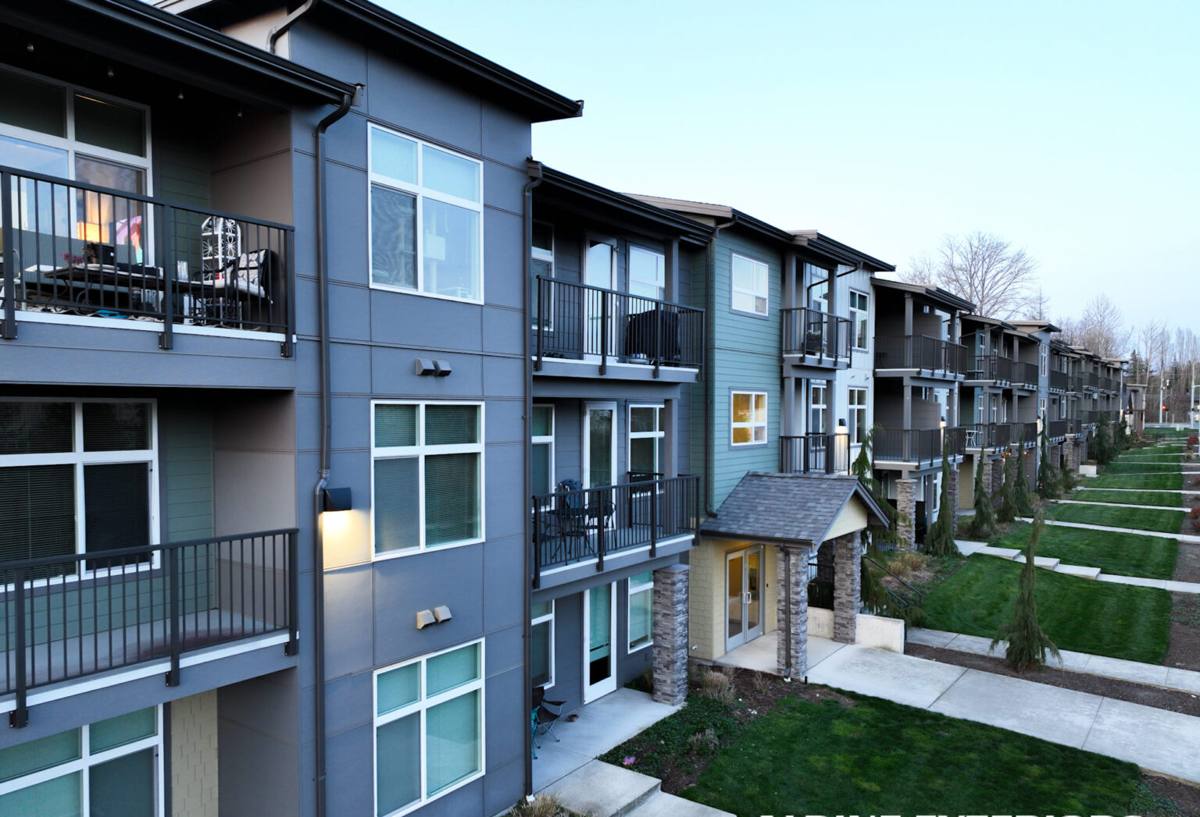
Why This Climate Punishes the Wrong Siding Choice
Salt Air and Corrosion
Homes within a few miles of Sarasota Bay and the Gulf are exposed to airborne salt that settles on every exterior surface. Over time it accelerates corrosion of exposed fasteners, degrades certain paint films, and speeds up the breakdown of materials that weren't engineered with coastal exposure in mind. Fiber cement doesn't corrode, and James Hardie's factory-applied ColorPlus finish is formulated to hold up against exactly this kind of exposure — but the fasteners, flashing, and trim details used alongside it have to be chosen with the same salt exposure in mind, or the siding ends up carrying a system that's only as strong as its weakest component.
UV Load, Almost Year-Round
Florida sun is intense on a different schedule than most of the country — strong UV exposure isn't a summer problem here, it's close to a twelve-month problem. Paint films that look fine in a showroom can chalk, fade unevenly, or lose adhesion within a few years under that kind of sustained exposure. This is one of the clearest reasons we standardized on James Hardie: the color coat is baked on at the factory under controlled conditions, not applied on site, and it's engineered specifically to resist UV fading far longer than field-applied paint on other siding substrates.
Wind-Driven Rain and Storm Exposure
Manatee County sees genuine hurricane risk, and even a storm that doesn't make direct landfall nearby can push sustained high winds and heavy rain through Bayshore Gardens for hours. Wind-driven rain doesn't fall straight down — it gets forced up under laps, around window and door openings, and into any gap the installer left too generous. Siding material matters here, but installation detail matters more: the same board installed two different ways can perform completely differently in a wind event.
Local Climate Stress Points at a Glance
| Condition | What It Does to Siding | Why It Matters in Bayshore Gardens |
|---|---|---|
| Salt air | Corrodes exposed metal, degrades weak paint films | Close proximity to the bay and Gulf keeps salt exposure elevated year-round |
| UV exposure | Fades and chalks paint, breaks down some substrates | Near-constant sun load across most of the year, not just summer |
| Wind-driven rain | Forces water behind laps and into fastener holes | Direct hurricane season exposure, June through November |
| Humidity | Feeds moisture absorption in vulnerable substrates | Consistently high year-round humidity along the coast |
Why We Only Install James Hardie
We don't install LP SmartSide, vinyl, Cemplank, Allura, or primed wood siding, and we're upfront with Bayshore Gardens homeowners about why. It isn't that every other product is worthless — it's that after years of doing this work in this exact climate, we settled on the one system we're confident will hold up here without surprises, and we'd rather install one product correctly every time than juggle several with different failure modes.
James Hardie fiber cement is non-combustible, dimensionally stable in heat and humidity swings, and backed by a factory finish system built for exactly the UV and salt exposure this area sees. It also carries a strong, transferable limited warranty — a real consideration for homeowners who may sell within the life of the siding. That combination of material science and warranty backing is why it's the only product on our trucks.
What a Correct James Hardie Installation Actually Involves
The board itself is only part of the equation. A correct install in a coastal wind and rain environment like Bayshore Gardens involves several details that are easy to skip and hard to notice until years later:
- Proper starter strip and clearance: Hardie siding needs the right gap from grade, roofing, and decking to avoid wicking moisture from below.
- Correct fastener type and placement: Fasteners rated for the exposure, placed and spaced to manufacturer spec, not just "close enough."
- Weather-resistive barrier done right: The house wrap and flashing behind the siding matter as much as the siding itself for keeping wind-driven rain out of the wall assembly.
- Butt joint treatment: Every horizontal joint is a potential water entry point if it isn't flashed and caulked to spec.
- Window and door integration: Openings are where wind-driven rain finds the path of least resistance; flashing details here are non-negotiable.
- Field-touch-up discipline: Cut edges need to be sealed with the correct touch-up product to preserve the factory finish's protection.
Skipping any one of these doesn't usually show up as a problem in year one. It shows up in year five or six, as moisture intrusion, paint failure at a joint, or a corner that's started to lift — and by then it's a repair job, not a maintenance item.
Our Process for a Bayshore Gardens Siding Job
1. On-Site Assessment
We walk the exterior with the homeowner, looking at current siding condition, trim, soffit, and any signs of past moisture issues — this is common on homes that have been through multiple storm seasons without a full siding inspection.
2. Product and Line Selection
James Hardie makes several product lines engineered for different climate zones; homes in this part of Florida call for the HZ5 line, which is specifically formulated for high-humidity, high-moisture climates. We walk homeowners through plank profile, color, and trim options within that line.
3. Tear-Off and Substrate Check
Old siding comes off and the sheathing underneath gets inspected before anything new goes up. Installing new siding over compromised sheathing just hides a problem instead of fixing it.
4. Weather Barrier and Flashing
This is the step that determines how the house performs in a storm, done before a single board of visible siding goes on.
5. Installation to Manufacturer Spec
Fastening, clearances, joint treatment, and touch-up are done to James Hardie's published installation requirements — not a generalized "siding" standard.
6. Final Walkthrough
We review the completed exterior with the homeowner, covering what maintenance (if any) is actually needed going forward.
What Homeowners Should Check Before Hiring Anyone for This Work
- Do they install James Hardie regularly, or occasionally alongside several other siding brands?
- Can they explain which Hardie product line fits this specific climate and why?
- Do they follow manufacturer-specified fastener and clearance details, or a generic approach?
- Are they familiar with wind-driven rain detailing around windows and doors, specifically?
- Do they carry proper licensing and insurance for exterior work in Manatee County?
Why Local Experience in Bayshore Gardens Matters
A crew that regularly works this neighborhood already knows the general housing stock, the typical exposure levels on different lots, and the kind of storm history the area has seen. That's not a substitute for a proper on-site assessment, but it does mean fewer surprises — a local crew has usually already seen how a particular era of home in this area tends to be built, where moisture problems tend to show up first, and what level of coastal detailing is actually warranted for a given lot's exposure. That familiarity translates into a more accurate estimate and fewer change orders once the old siding comes off.
Cost Factors Homeowners Should Understand
We don't publish blanket per-square-foot pricing because it depends on real variables, but homeowners should understand what actually drives the number:
| Factor | Why It Affects Cost |
|---|---|
| Current siding removal | Tear-off complexity varies with the existing material and how it was fastened |
| Substrate condition | Sheathing repairs found during tear-off add material and labor |
| Home size and complexity | Corners, gables, and dormers all add labor time beyond flat square footage |
| Product line and profile | HZ5 lines and premium profiles/colors carry different material costs |
| Trim and accessory scope | Full trim replacement adds cost versus reusing sound existing trim |
The only way to get an accurate number is a real on-site look — anything else is a guess.
Get a Straight Answer for Your Home
If you're weighing a siding replacement in Bayshore Gardens, we're happy to take a look, tell you honestly what your home needs, and walk you through what a correct James Hardie installation would involve for your specific exposure. There's no pressure and no obligation — just fill out the form below to schedule a free estimate.