 Bradenton Window
 Board & Batten Siding on Anna Maria Island: A Different Set of Rules
Holmes Beach sits on Anna Maria Island, which means every exterior surface on a home there is dealing with a barrier-island climate, not a typical inland Bradenton one. Salt-laden air moves off the Gulf and Tampa Bay side almost constantly, sun exposure runs strong and steady most of the year, and when a tropical system tracks anywhere near the west coast of Florida, homes on the island take the wind and wind-driven rain first. Board and batten siding has a real, honest place on these homes — the vertical lines suit the coastal cottage and Old Florida look that a lot of Holmes Beach houses are built around. But the same look that makes it popular is also less forgiving of a sloppy install than a flat lap profile, because every batten seam is another potential entry point for water if it's not detailed correctly.
This page is specifically about board and batten siding for homes in Holmes Beach — not a general siding overview. We'll walk through what the local climate actually does to this siding style, what a correct installation involves, and why a crew that already works this stretch of Manatee County catches problems that an out-of-area installer often misses.
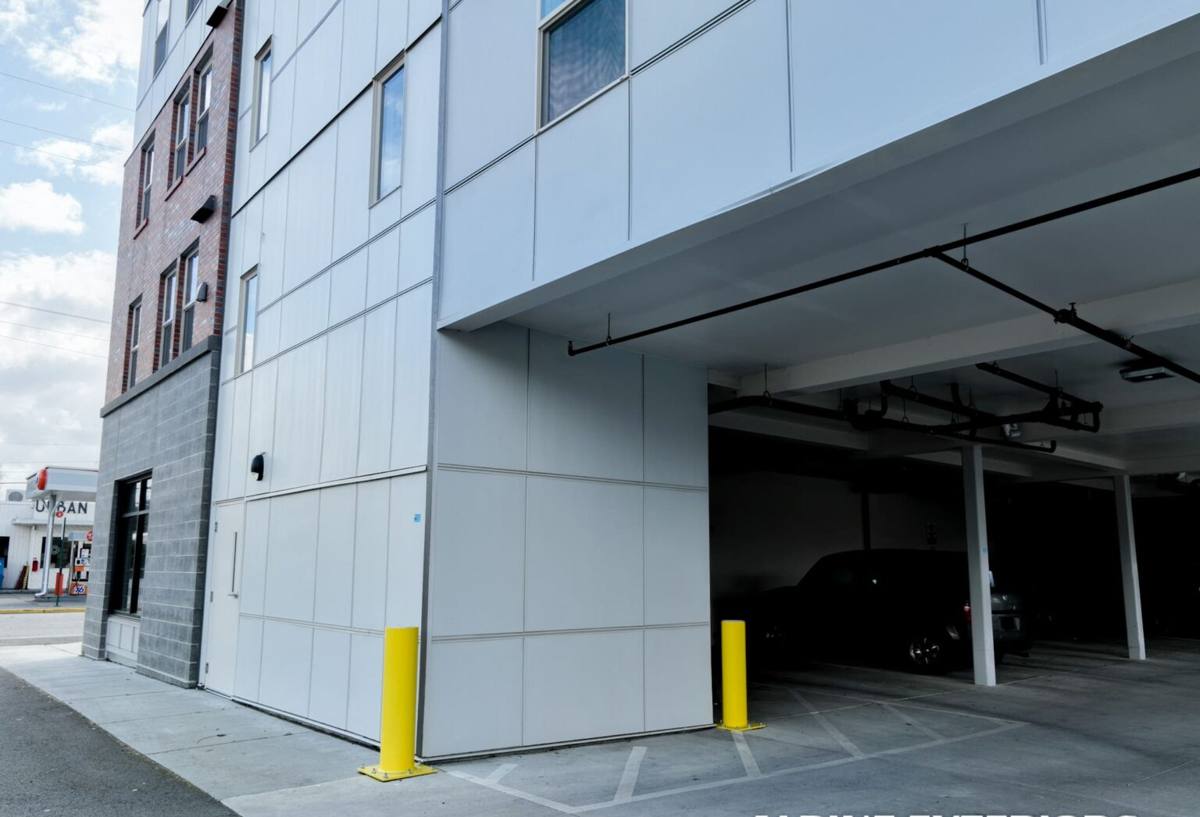
What Board & Batten Siding Is, and Why It Shows Up So Often Near the Water
Board and batten is a vertical siding pattern: wide flat panels installed with narrower strips (battens) covering the seams between them. It reads as a clean, linear, slightly rustic profile, and it pairs well with the low-slung, coastal cottage architecture common on the island. It's also often used as an accent — gables, dormers, porch surrounds — mixed with horizontal lap siding elsewhere on the same home.
Why It's More Exposed Than Lap Siding
Horizontal lap siding sheds water downward by design, board over board, gravity doing most of the work. Board and batten relies on vertical seams and battens to keep water out, which means the detailing at each seam — and at the top and bottom of every run — has to be right. On a barrier island where wind-driven rain doesn't fall straight down but gets pushed sideways and upward against a wall, those seams are under real pressure during every named storm and plenty of unnamed summer squalls too.
Why We Install Only James Hardie Fiber Cement
We don't install vinyl, LP SmartSide, primed spruce, cedar, or other fiber cement brands. On a home in Holmes Beach specifically, that standard isn't arbitrary — it's a direct response to what salt air, UV, and wind do to a wall over years, not just in the first season.
What Fiber Cement Does That Wood and Vinyl Struggle With
James Hardie board and batten panels are non-combustible fiber cement — they don't rot, they don't attract wood-boring insects, and they don't soften or delaminate the way some engineered wood products can when moisture gets behind them repeatedly. Vinyl board and batten profiles exist, but vinyl expands and contracts significantly with Florida's heat swings and can become brittle with sustained UV exposure over time, which shows up as warping, fading, or cracked battens well before a homeowner expects to replace siding.
ColorPlus and the HZ Product Line
Hardie's ColorPlus finish is baked on at the factory under controlled conditions, which gives it better fade resistance than field-applied paint has to fight the same UV load Holmes Beach gets nearly year-round. Hardie also engineers its HZ5 product line specifically for high-humidity, wind-driven-rain climates like ours — it's not a generic siding board sold the same way in Ohio and Florida. That climate engineering matters more on an island than it does further inland.
What a Correct Board & Batten Installation Actually Involves
The finished look of board and batten hides most of the installation — which is exactly why quality varies so much between crews. The parts that actually determine whether it lasts are underneath and behind the panels.
Weather-Resistive Barrier and Flashing First
Before any board goes up, the wall needs a properly lapped weather-resistive barrier, correctly integrated flashing around windows, doors, and any penetrations, and attention to how water that does get past the surface will drain back out rather than pooling behind the panel. This step is invisible in the final product and is the single most common place corners get cut.
Panel and Batten Fastening
Hardie specifies fastener type, spacing, and placement for board and batten assemblies, and following that spec is what keeps the manufacturer's warranty valid. Battens need consistent, correctly-spaced fastening into structural framing — not just into the panel — so wind uplift during a tropical storm doesn't work them loose over a few seasons.
Caulking and Sealant Choices That Handle Salt Air
Every seam and joint gets sealed, but not all sealants hold up the same way against salt air and constant UV. We use products rated for exterior, high-UV, coastal exposure, and we don't rely on caulk to cover for a flashing detail that should have handled the water in the first place. Caulk is a backup, not the primary defense.
Clearances at Grade and Roof Lines
Board and batten run down to a foundation or up against a roofline needs correct clearance — siding installed too close to grade or to a roof deck stays wet longer after wind-driven rain and is more likely to wick moisture, regardless of the material.
Our Process for a Holmes Beach Board & Batten Project
| Stage | What Happens | Why It Matters Here |
|---|---|---|
| On-site assessment | Inspect existing wall condition, current siding or sheathing, trouble spots around windows and gables | Salt air and past moisture intrusion aren't always visible from the ground |
| Estimate and product selection | Confirm HardiePanel board and batten profile, ColorPlus color, and any trim details | Match existing island aesthetic without guessing on color longevity |
| Prep and weather barrier | Address sheathing issues, install and lap weather-resistive barrier, flash all openings | This is what actually keeps water out, not the visible siding layer |
| Installation to Hardie spec | Panel and batten fastening, seam sealing, trim work | Keeps manufacturer warranty intact and holds up to wind uplift |
| Final walkthrough | Check clearances, seal quality, and finish details with the homeowner | Confirms the install matches spec before we consider the job done |
What This Costs
Board and batten pricing depends on how much of the home is being sided, existing wall condition, trim complexity, and access. Rather than quote a number that doesn't apply to your home, we walk the property and give you a written estimate based on what's actually there — including whether any sheathing repair is needed before siding even goes up.
Mistakes We See on Coastal Board & Batten Jobs
Some of these show up within a year or two; others take a storm season or a decade of salt air to expose.
- Battens fastened into the panel only, not into framing — leads to loosening under wind load
- Missing or poorly lapped weather-resistive barrier behind the panels
- Caulk used to compensate for a missing or incorrect flashing detail
- Siding installed with insufficient clearance at grade, roof lines, or decks
- Non-Hardie fastener types or spacing that void the manufacturer warranty
- Field-painted boards instead of factory-finished ColorPlus, fading unevenly under island UV
Why a Crew That Already Works Holmes Beach Matters
Anna Maria Island communities, including Holmes Beach, often have their own permitting steps, wind-zone requirements, and in some cases architectural or neighborhood review on top of standard Manatee County permitting. A crew that regularly works this area already knows the local permitting process and the wind-load expectations for construction this close to open water — that's not something you want a contractor learning for the first time on your house. It also means we've seen how board and batten actually performs here after a few storm seasons, not just how it looks on install day.
What to Ask Before Hiring Anyone for This Job
- Are you licensed and insured to work in Manatee County, and can you provide proof?
- Do you pull permits yourself, and are you familiar with Holmes Beach's requirements?
- What fastening and flashing spec will you follow, and will you put it in writing?
- Is the product James Hardie, and will the installation qualify for the manufacturer's warranty?
- Have you completed board and batten installs on the island before, not just siding in general?
Living With Board & Batten Siding in a Salt Air Environment
Fiber cement doesn't need the maintenance wood does, but it isn't zero-maintenance either. A periodic rinse to clear salt residue off the surface, a visual check of caulked seams and trim after major storms, and prompt attention to any impact damage keep a correctly installed system performing the way it's designed to. Because ColorPlus finish is factory-applied and UV-stabilized, homeowners generally aren't looking at repainting on the schedule that field-painted wood or older siding would require — but it's still worth a look after hurricane season each year.
If you're weighing board and batten siding for a home in Holmes Beach, we're glad to walk the property, look at what's there now, and give you a straightforward, no-pressure estimate — use the form below to get started.