 Bradenton Window
 Building a Deck That Actually Holds Up in Tara
Tara is one of the more established residential communities on Bradenton's east side, and a lot of the homes here were built with a screened lanai or a small concrete patio but no real outdoor living space beyond that. When homeowners come to us wanting a proper deck — attached to the house, off a slider, wrapping a pool cage, or standing alone in the backyard — the conversation always starts with the same question: what is Manatee County weather actually going to do to this structure over the next fifteen years?
The honest answer is that it's harder on decks than most people expect. Year-round UV breaks down wood fibers and fades finishes faster than in northern climates. Afternoon thunderstorms drive rain sideways into ledger boards and railing joints. Humidity keeps framing lumber damp for days after a storm instead of hours. And even though Tara sits inland from the immediate coastline, Bradenton's proximity to Tampa Bay and the Gulf means salt-laden air still reaches fasteners and metal hardware over time. A deck built the way it would be built in Ohio or Pennsylvania will fail here — sometimes within a few seasons.
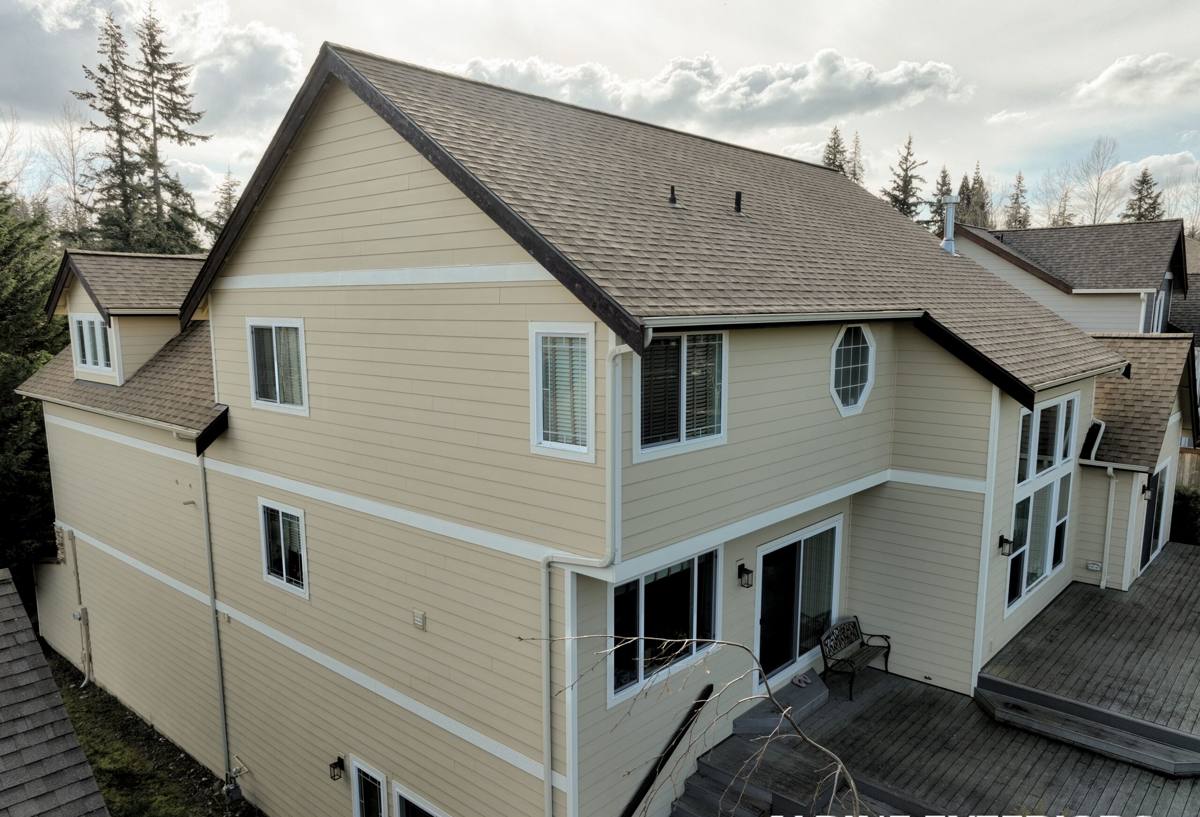
What Bradenton's Climate Does to a Deck Over Time
Sun and UV Exposure
Florida gets more direct, high-angle sun for more months of the year than almost anywhere else in the continental US. On decking, that means faster fading, checking, and surface degradation — especially on the south and west-facing sides of a structure. Sealants and stains that would last three to four years up north often need reapplication every twelve to eighteen months here.
Wind-Driven Rain
Bradenton's storms don't fall straight down. Wind pushes rain horizontally into any gap, seam, or fastener hole that isn't properly flashed or sealed. On a deck, the ledger board connection to the house is the single most important spot to get this right — a poorly flashed ledger is one of the most common causes of hidden rot we find on older decks in this area.
Salt Air and Humidity
Even away from the immediate waterfront, Manatee County's air carries enough salt and moisture to accelerate corrosion on the wrong hardware. Standard zinc-coated screws and brackets can start rusting and staining decking within a couple of years. Combined with near-constant humidity, this also means framing lumber needs real airflow underneath the deck, not just ground clearance.
Hurricane-Force Wind Loads
Manatee County building code requires structures to withstand significant wind uplift and lateral loads. A deck isn't just a platform — it's a structure that has to be tied to its footings and, where attached, to the house itself, in a way that resists both wind pushing down and wind trying to lift it off.
Choosing Decking Material for a Tara Home
There's no single "best" decking material — the right choice depends on budget, how much upkeep you're willing to do, and how the deck will be used. Here's how the common options actually compare under Bradenton conditions:
| Material | Upfront Cost | Maintenance | How It Handles Our Climate |
|---|---|---|---|
| Pressure-treated wood | Lowest | Annual cleaning + re-sealing | Affordable, but UV and humidity mean more frequent sealing to prevent checking, splintering, and rot |
| Composite (capped) | Moderate-High | Occasional washing | Resists rot and fading well; capped boards shed water and resist mold better than uncapped versions |
| PVC decking | Highest | Low | Fully impervious to moisture and rot; performs very well in humid, high-UV climates, at a premium price |
| Tropical hardwood (e.g., ipe) | High | Regular oiling | Naturally dense and rot-resistant, but requires disciplined maintenance to hold its look in constant sun |
We'll walk through these trade-offs with you honestly rather than push whatever has the best margin. If you want the lowest-maintenance option and the budget allows it, composite or PVC is usually the right call in this climate. If you're comfortable with yearly upkeep, pressure-treated wood still builds a solid, code-compliant deck for less money.
What a Correctly Built Deck Requires Here
Footings and Framing
Florida doesn't have a frost line to dig below, but footing depth and size still matter — they're sized to the deck's load and to Manatee County's wind uplift requirements, not just to hold the deck up under normal weight. Framing connections need corrosion-resistant structural hardware (hurricane ties, joist hangers, and post bases rated for coastal exposure), not the standard-grade hardware sold at big box stores for northern climates.
The Ledger Connection
Where a deck attaches to the house, proper flashing is non-negotiable. This is the single point most likely to let water into your home's structure if it's done wrong, and it's also one of the hardest things to fix after the fact without tearing the deck off.
Fasteners and Hardware
Everything below the decking surface — joist hangers, structural screws, post anchors — should be stainless steel or otherwise rated for coastal/humid exposure. This is one of the few places where cutting corners doesn't save meaningful money but does cost you the deck early.
Railings and Guards
Any deck elevated above a certain height requires code-compliant guardrails at a specific height with baluster spacing that meets fall-protection standards. We build to code as a floor, not a ceiling — a railing that barely passes inspection today can loosen and become a real safety issue after a few hurricane seasons of wind load.
Permitting in Manatee County
New decks and most deck replacements in Bradenton require a building permit, and inspections happen at specific stages of construction — typically footings/framing before decking goes down, and a final inspection once railings and stairs are complete. Permitting exists to verify the structural and wind-load requirements above are actually met, not just to slow the project down. We handle the permit application and coordinate inspections as part of the job, so you're not the one chasing down paperwork or scheduling inspectors.
How We Approach a Deck Project in Tara
- On-site assessment — we look at your home's layout, existing patio or lanai, drainage, and how the deck will tie into the structure.
- Material and design conversation — honest trade-offs on decking material, railing style, and layout based on your budget and maintenance preference.
- Permit submission — drawings and structural details submitted to Manatee County, with inspections scheduled at the required stages.
- Framing and structural work — footings, ledger flashing, joists, and hardware installed to code and to our own corrosion-resistance standard.
- Decking, railings, and finish work — surface material installed, railings set, stairs built, and everything cleaned up before final walkthrough.
- Final inspection and handoff — we confirm the county sign-off and walk you through basic care for whatever material you chose.
Maintenance Realities for a Tara Deck
Every decking material needs some upkeep in this climate — the differences are in how much and how often. A simple annual routine keeps most problems from ever starting:
- Rinse pollen, salt residue, and organic debris off the surface and between boards every few months
- Check railing posts and stair stringers for looseness after major storms
- Inspect the ledger flashing and house connection point once a year for any sign of water staining
- Re-seal or re-stain wood decking on a schedule suited to sun exposure — sooner on south/west-facing sections
- Clear leaves and debris from under the deck to keep airflow moving and discourage moisture buildup
- Look for rust streaks around fasteners, which usually signal hardware that wasn't rated for this climate
Why a Crew That Already Works in Tara Makes a Difference
A deck built by a crew that only occasionally works in coastal Florida tends to make the same mistakes: standard hardware instead of corrosion-resistant, sealants that aren't rated for this UV load, or framing details that technically pass inspection but weren't built with a decade of Gulf Coast storms in mind. Working regularly in Bradenton and across Manatee County means we're not guessing at what holds up here — we're building to what we've already seen work, and what we've seen fail, on homes just like yours in this same climate.
Get an Honest Look at Your Project
If you're weighing a new deck for your Tara home, or wondering whether an existing one needs to be repaired versus rebuilt, we're happy to take a look and give you a straightforward assessment. Reach out for a free, no-pressure estimate using the form below — there's no obligation, just a clear picture of what your project actually needs.