 Bradenton Window
 Asphalt Shingle Roofing Built for Ellenton's Climate
Ellenton sits in a stretch of Manatee County that takes a real beating from Florida weather. The roof over an Ellenton home isn't just shedding rain — it's absorbing months of intense UV exposure, getting driven at by wind-blown rain during storm season, and slowly corroding under a steady dose of salt air carried in off Tampa Bay and the Gulf. Asphalt shingles are still one of the most practical, cost-effective roofing choices for this area, but only when they're specified and installed correctly for these conditions. A shingle roof that would hold up fine in a drier, calmer climate can fail years early here if it's installed the way a generic crew installs it everywhere else.
This page covers what an asphalt shingle roof actually needs to perform in Ellenton, what a correct installation or repair involves, and how we approach the job when we're called out to a home in this part of Manatee County.
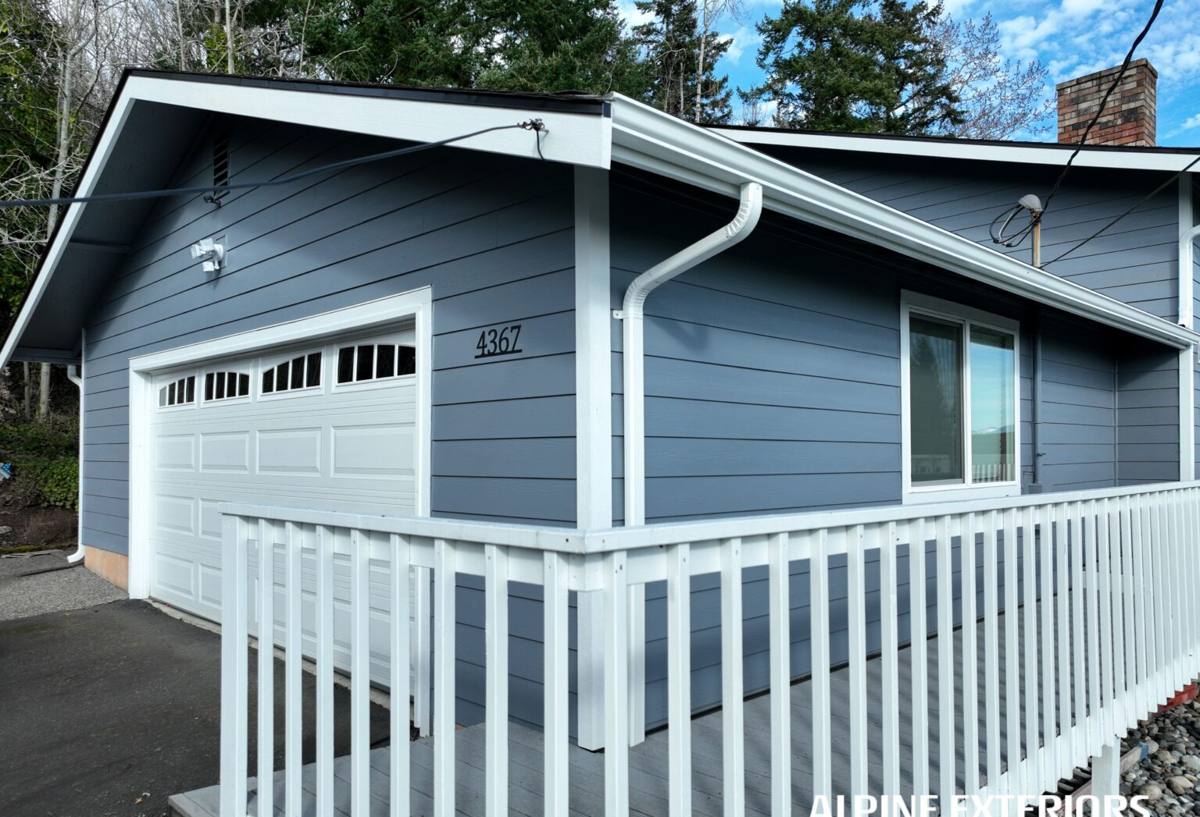
What Ellenton's Climate Actually Does to a Shingle Roof
Wind
Manatee County sees tropical storm and hurricane-force wind events, and wind is the number one reason shingle roofs fail before their expected lifespan. Wind doesn't usually rip a whole roof off in one event — it lifts shingle tabs at the edges, breaks seals a few at a time, and works larger and larger gaps into the roof system with every storm. Once wind gets under even a small section of shingles, water intrusion follows almost immediately.
UV and Heat
Year-round intense sun bakes the asphalt in shingles, driving off the oils that keep them flexible and accelerating granule loss. Granules are what protect the asphalt mat underneath from UV breakdown, so once a roof starts shedding granules heavily, the clock on its remaining life speeds up.
Wind-Driven Rain
It's not the volume of rain that causes most leaks here — it's rain being pushed sideways and upward under shingle edges, around flashing, and into any gap in the underlayment. A roof that only has to shed water falling straight down doesn't need the same detailing as one that has to resist rain being forced uphill.
Salt Air
Being close to the coast means airborne salt settles on every exposed roof component, not just the shingles themselves. Metal flashing, drip edge, pipe boots, and fasteners all corrode faster in this environment than they would further inland, and corroded metal components are a common hidden cause of leaks on roofs that still look fine from the ground.
What a Correct Asphalt Shingle Roof Includes
A roof that's built to actually hold up in Ellenton isn't just shingles nailed to plywood. Every layer underneath the shingles matters as much as the shingles themselves.
Deck Inspection and Repair
Before anything goes down, the roof deck gets inspected for soft spots, rot, or delamination. Installing new shingles over a compromised deck just hides a structural problem under new material — it doesn't fix it.
Underlayment
A synthetic underlayment (or the correct combination with self-adhering membrane at eaves, valleys, and penetrations) is the roof's real waterproofing layer. Shingles are the wear surface; the underlayment is what actually keeps a home dry if water gets past them, which in a wind-driven-rain climate, it eventually will.
Fastening Pattern
Nail count and placement is one of the most common shortcuts taken on cheap roof jobs, and it's also the single biggest factor in wind performance. Correct fastening — the right number of nails, in the right location on each shingle, driven flush rather than over- or under-driven — is what actually keeps shingles attached in high wind, far more than the shingle brand.
Flashing and Metal Components
Step flashing at walls, valley flashing, drip edge, and pipe boots need to be corrosion-resistant and installed so water sheds over each layer correctly, not just caulked in place. Caulk is a maintenance item, not a substitute for proper flashing technique.
Ventilation
Proper intake and exhaust ventilation keeps attic temperatures and moisture in check, which extends shingle life from underneath and helps prevent deck damage that's invisible until it's severe.
Repair, Recover, or Full Replacement?
Not every Ellenton roof that's showing damage needs a full tear-off. The right call depends on the roof's age, how widespread the damage is, and what's happening underneath the shingles.
| Situation | Typical Approach | Why |
|---|---|---|
| Isolated wind or storm damage on an otherwise sound, newer roof | Targeted repair | Deck and underlayment are still in good condition; only the affected shingles and flashing need attention |
| Widespread granule loss, curling, or a roof past its expected service life | Full replacement | The asphalt mat itself is degrading; patching won't restore wind or water resistance |
| Soft decking, staining, or repeated leaks in the same area | Full replacement with deck repair | Underlying structure needs attention that repair alone can't address |
| Minor flashing or sealant failure with no shingle damage | Flashing repair only | Isolated component failure, not a shingle system problem |
An honest inspection tells you which category a roof falls into. We don't push replacement on a roof that only needs repair, and we don't recommend patching a roof that's genuinely at the end of its service life — either call ends up costing a homeowner more down the road.
Choosing the Right Shingle for an Ellenton Home
Not all asphalt shingles are built the same, and the differences matter more here than in a milder climate.
Architectural (Laminated) vs. 3-Tab
Architectural shingles are heavier, have a higher wind rating, and hold up better under the wind loads Ellenton sees during storm season. We set 3-tab shingles as our baseline standard for lower-slope or budget-driven jobs where the manufacturer's wind rating still meets the project's needs, but for most homes in this area, the added durability of architectural shingles is worth the difference in material cost over the life of the roof.
Wind Rating
Shingles are rated for maximum sustained wind speed, and that rating only holds up if the fastening pattern matches the manufacturer's specification for that rating. A high-wind-rated shingle installed with a standard nailing pattern doesn't perform to its rating — the installation has to match the product.
Algae Resistance
Florida's heat and humidity encourage algae streaking on roofs faster than in drier states. Shingles with algae-resistant granules (copper- or zinc-infused) hold their appearance longer, which matters both for curb appeal and because algae growth can shorten shingle life over time.
Sealant Strips
The factory sealant strip on each shingle is what bonds shingles to each other after installation, and that seal is a major part of wind resistance. It needs proper heat and time to activate, which is one reason timing and technique during installation matter as much as the product itself.
How We Handle a Shingle Roofing Job in Ellenton
- Inspection: We get on the roof (or use a close visual and photo inspection where access is limited) to assess the deck, existing shingles, flashing, and ventilation before recommending anything.
- Written estimate: A clear scope of work and price, spelling out materials, underlayment type, flashing work, and anything the deck needs — no vague allowances.
- Tear-off and deck check: Old material comes off down to the deck so we can actually see what's there, not guess at it from above.
- Underlayment and flashing installation: Correct layering at eaves, valleys, and penetrations, with new flashing and pipe boots where the old ones are worn or corroded.
- Shingle installation: Installed to the manufacturer's specified nailing pattern for the shingle's wind rating, not a generic pattern.
- Cleanup and final walkthrough: Site cleaned of debris and nails, and we walk the finished job with the homeowner before calling it done.
Maintenance That Actually Extends a Shingle Roof's Life
A correctly installed roof still needs some upkeep in this climate. This is what we recommend homeowners stay on top of between inspections:
- Clear gutters and valleys so water doesn't back up under shingle edges during heavy rain
- Trim back overhanging branches that drop debris or create shade that keeps shingles damp longer
- After any significant wind or storm event, look for lifted, missing, or displaced shingles
- Watch for granule buildup in gutters, which signals accelerating shingle wear
- Check attic ventilation isn't blocked by insulation or debris
- Address small flashing or sealant issues promptly, before wind-driven rain turns them into interior leaks
- Have the roof professionally inspected after major storms, even if there's no visible interior damage
Why a Crew That Already Works in Ellenton Matters
Roofing code requirements, wind-rating expectations, and material behavior in Manatee County are specific to this climate, and a crew that works this area regularly already knows what fails first on local roofs and why. That familiarity shows up in the details — where flashing tends to corrode first in salt-exposed areas, how much ventilation a typical local attic actually needs, and which installation shortcuts cause problems here that wouldn't show up in a different climate. It also means faster response when a homeowner needs a post-storm inspection or repair, instead of waiting on a crew that has to travel in from outside the area.
A shingle roof is one of the largest exterior investments a homeowner makes, and in a coastal, storm-exposed area like Ellenton, the installation quality underneath the shingles matters as much as the shingles themselves. We'd rather explain honestly what a roof needs — repair, partial work, or full replacement — than sell a bigger job than the roof requires.
If you'd like a straightforward look at your roof's condition, we offer free, no-pressure estimates for Ellenton homeowners. There's a form below this page to get started whenever you're ready.