 Bradenton Window
 Storm Damage Roof Repair Built for Ellenton Homes
Ellenton sits close enough to Tampa Bay and the Manatee River that every storm season brings the same combination: high wind, driving rain, and the kind of humidity that never really lets a roof dry out. Homes in this part of Manatee County take a different kind of beating than roofs further inland, and repairing storm damage here means understanding that combination, not just patching whatever is visibly broken.
Whether you've just come through a named storm, a fast-moving summer squall with straight-line winds, or a hailstorm that rolled through ahead of a front, the goal is the same: find every point where water got in or could get in next time, fix it correctly, and document it well enough to support an insurance claim if you need one.
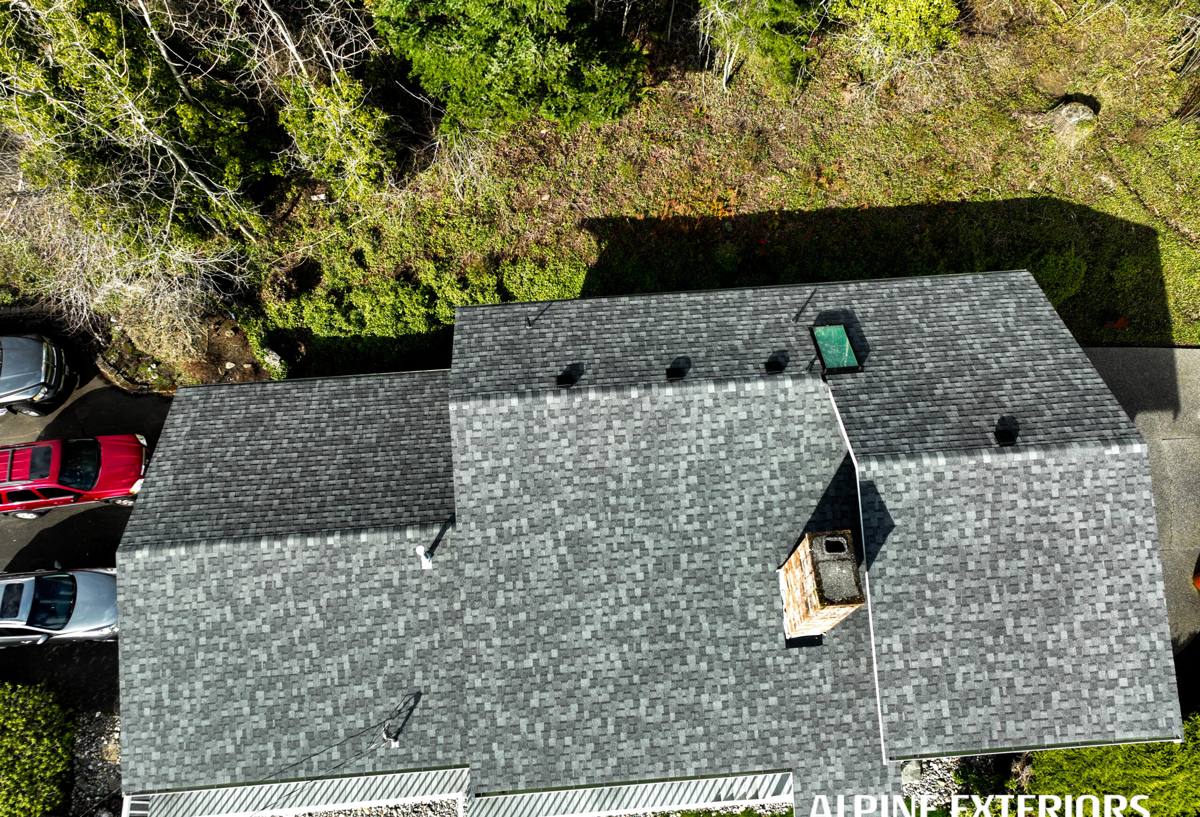
Why Storm Damage Here Isn't Always Obvious
The most common mistake we see after a storm is a homeowner walking the yard, seeing no shingles on the lawn, and assuming the roof is fine. Storm damage in this area is frequently hidden. Wind-driven rain in Bradenton doesn't just fall straight down — during a strong system it comes in sideways, which means it can work its way under shingles, around flashing, and into vents that would never leak in a normal rain.
What we're actually looking for
- Lifted or creased shingle tabs where wind got underneath and broke the seal, even if the shingle didn't blow off
- Granule loss from hail or wind-blown debris, which thins the shingle's UV protection long before it causes a visible leak
- Compromised flashing around chimneys, skylights, and roof-to-wall transitions — a common failure point in wind events
- Soft spots or staining in the decking, visible from the attic side, that point to a slow leak already in progress
- Displaced or cracked ridge caps, since the ridge line takes the most direct wind load on most roof shapes
- Clogged or damaged gutters and downspouts that push water back under the roof edge instead of away from the house
Salt air is part of this equation too. Homes in and around Ellenton sit close enough to the coast that airborne salt accelerates corrosion on exposed fasteners, flashing, and metal roof edges. A fastener that's already weakened by salt exposure is far more likely to fail in the next wind event, which is one reason we check hardware condition, not just shingle condition, during a storm inspection.
Our Storm Damage Repair Process
1. Inspection and documentation
We start with a full roof walk plus an attic check when access allows. We photograph everything — visible damage and the less obvious stuff, like nail backouts or bruised shingles from hail — because that documentation matters just as much for a small repair as it does for a large insurance claim.
2. A clear, honest scope of work
You get a written explanation of what's damaged, what's just cosmetic, and what actually needs repair to stop water intrusion. We don't pad a scope to make a job bigger, and we don't downplay damage that will turn into a bigger problem next hurricane season.
3. Temporary protection when needed
If a storm has left your roof exposed, tarping or temporary sealing comes first, before the full repair is scheduled. Ellenton's humidity means an exposed deck can start growing mold within days, so this step isn't optional when there's an active opening.
4. The repair itself
Depending on the damage, this might mean replacing a section of shingles, resealing and re-flashing a specific area, replacing damaged decking, or a combination of all three. We match materials as closely as possible and tie new work into the existing roof system correctly, so the repair performs as one unit rather than as a patch that fails again in the next storm.
5. Final walkthrough
We review the completed work with you, explain what was done, and provide documentation you can keep on file — useful for insurance, for future buyers, or just for your own records.
Repair vs. Replacement: How We Make the Call
Not every storm-damaged roof needs to be replaced, and not every roof with a few missing shingles can be safely repaired long-term. The right call depends on the roof's age, the extent of the damage, and whether the damage is isolated or spread across the whole field.
| Factor | Favors Repair | Favors Replacement |
|---|---|---|
| Roof age | Under 10-12 years, still within useful life | Nearing or past expected lifespan for the material |
| Damage pattern | Isolated to one slope or area | Spread across multiple slopes or the whole roof |
| Decking condition | Solid, dry decking under the damaged area | Soft, delaminated, or water-stained decking in multiple spots |
| Shingle condition elsewhere | Remaining shingles still flexible, granules intact | Widespread granule loss or brittle shingles roof-wide |
| Insurance scope | Adjuster approves a repair-level scope | Adjuster approves full slope or full roof replacement |
We'll tell you plainly which category your roof falls into. If a repair is the honest answer, that's what we'll recommend — a roof that doesn't need replacing yet shouldn't be sold as one.
Insurance Claims: What Actually Helps Your Case
Storm damage claims move faster and go smoother when the documentation is solid from day one. A few things make a real difference:
- Photos taken as close to the storm event as possible, before any cleanup disturbs the debris pattern
- A written inspection report that separates storm-caused damage from pre-existing wear
- Matching your claim date to actual weather data for the storm in question
- Being present, or having your contractor present, when the adjuster inspects the roof
We're happy to meet an adjuster on-site and walk the roof with them. We don't work for the insurance company and we don't work against them — our job is to make sure the damage that's actually there gets recorded accurately, so the claim reflects the real condition of the roof.
Materials and Workmanship Standards We Hold To
When we repair or replace storm-damaged roofing in this area, we favor materials and installation details rated for high-wind coastal exposure — proper nailing patterns (not staples), starter strip at eaves and rakes, correct flashing laps, and ridge cap materials rated for the wind speeds this region actually sees. These aren't upsells; they're the baseline for a roof that's going to face another hurricane season, and likely more than one, without needing the same repair twice.
We're upfront when a repair is a stopgap versus a permanent fix. Sometimes, especially right after a storm when materials or scheduling are tight, a temporary repair is the responsible short-term move — but we'll tell you that's what it is, and what the permanent fix will involve.
A Pre-Storm and Post-Storm Checklist for Ellenton Homeowners
- Before storm season: have loose or lifting shingles resealed, clear gutters and downspouts, and trim back branches that overhang the roofline
- Before storm season: confirm attic ventilation isn't blocked, since trapped moisture makes any existing weak point worse under storm stress
- After a storm: check the attic for daylight, staining, or a musty smell before assuming there's no damage
- After a storm: photograph the yard and roofline from the ground before cleanup, in case you need documentation later
- After a storm: get a professional inspection even if nothing looks obviously wrong from the ground — wind damage is often only visible up close
Why a Crew That Works Ellenton Already Matters
Storm damage repair isn't just a roofing skill — it's a local-knowledge skill. Knowing how Manatee County wind events tend to move, which roof orientations in this area take the worst of it, and how quickly humidity turns an exposed deck into a moisture problem all shape how a repair should be prioritized and executed. A crew that already works in and around Ellenton isn't guessing at any of that.
There's also a practical side: after a widespread storm, response time matters. Contractors who already have a presence in Bradenton and Manatee County are able to get to local homes faster than crews traveling in from farther away, which matters when an exposed roof is sitting in Florida humidity.
Get a Free, No-Pressure Roof Inspection
If your Ellenton home has been through recent weather and you're not sure whether what you're looking at is cosmetic or something that needs real attention, an inspection is the fastest way to know for sure. Fill out the form below for a free estimate — no pressure, no obligation, just a straight answer about what your roof needs.