 Bradenton Window
 Roofing on a Barrier Island Is a Different Job
Holmes Beach sits on Anna Maria Island, surrounded by the Gulf of Mexico and Intracoastal Waterway, and that location changes what a roof has to withstand compared to a home a few miles inland in Bradenton or elsewhere in Manatee County. Salt-laden air moves through this area constantly, not just during storms. Add in some of the most intense year-round UV exposure in the continental United States, plus the wind-driven rain and gusts that come with tropical systems, and you have a climate that is genuinely hard on roofing materials. A roof replacement here needs to be planned around those specific stresses, not treated like a generic re-roof.
This page focuses on one job — full roof replacement — for homes in Holmes Beach specifically. We'll cover what local conditions do to a roof over time, what a correct replacement actually involves, how we approach the work, and why local, hands-on experience on this island matters more than it might elsewhere.
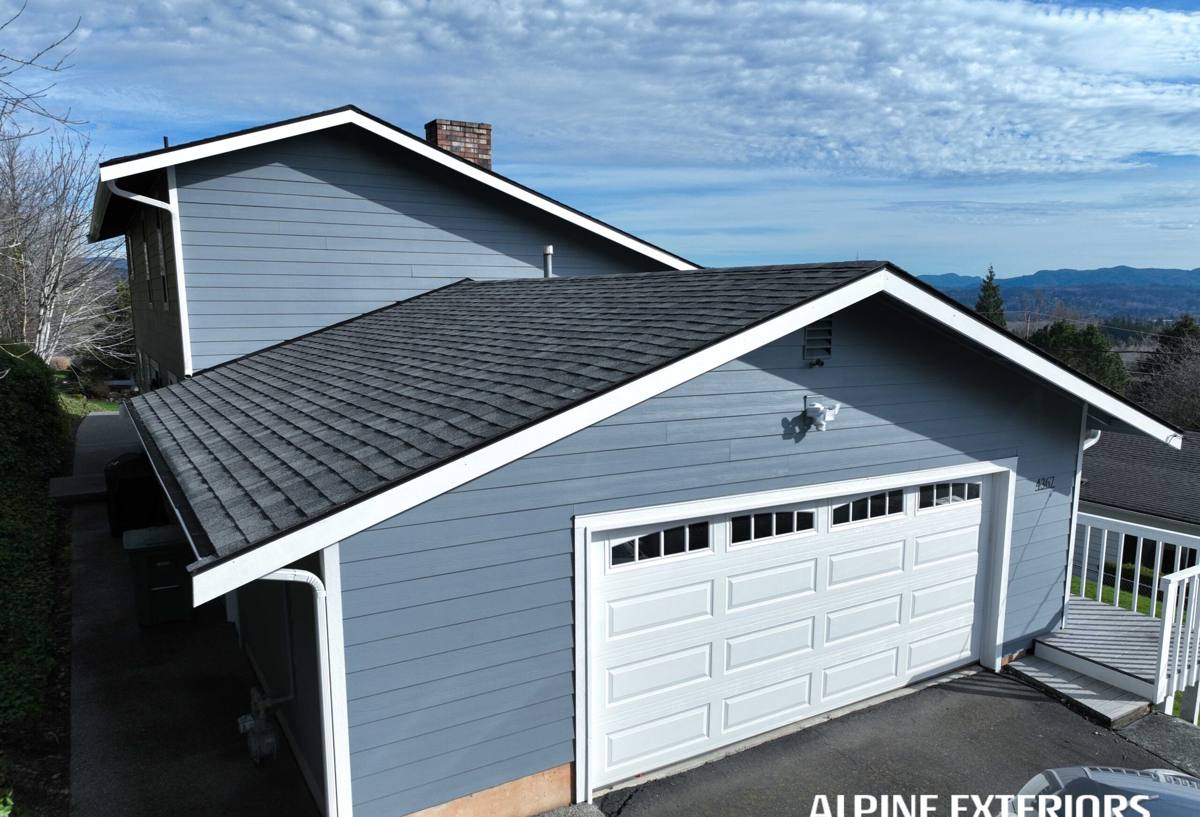
What Coastal Exposure Actually Does to a Roof
Salt air and corrosion
Airborne salt settles on every exposed surface — shingles, metal flashing, fasteners, vents, and gutters. Over time it accelerates corrosion of unprotected or lower-grade metal components, which is why fastener quality and flashing material matter more here than in a landlocked neighborhood.
UV and heat cycling
Florida sun breaks down asphalt shingle oils and causes granule loss faster than in cooler, cloudier climates. Constant heating and cooling also stresses seams, sealants, and adhesive strips, which is part of why roofs on this coast tend to show wear sooner than the same product would inland.
Wind and wind-driven rain
Hurricane-force wind doesn't just tear off shingles — it drives rain sideways and upward under laps, flashing, and ridge caps that would stay dry in a normal downpour. A roof system built for this area has to assume water will be pushed into places gravity alone wouldn't take it.
Signs a Holmes Beach Roof Needs Replacement, Not Just Repair
Not every problem calls for a full tear-off. But certain signs mean patching is a short-term fix on a roof that's already past its useful life:
- Granule loss heavy enough that you can see bare asphalt in multiple spots, not just one damaged shingle
- Soft or spongy decking felt underfoot, or visible sagging along the roofline
- Repeated leaks in different locations after previous repairs
- Curling, cracking, or lifted shingle edges across large sections rather than isolated storm damage
- Rusted, corroded, or missing flashing around chimneys, walls, and roof penetrations
- A roof approaching or past the manufacturer's expected service life for this climate, regardless of how it looks from the ground
If a roof is showing two or more of these at once, replacement is usually the more honest recommendation, even when a repair is technically possible.
What a Correct Roof Replacement Involves
Tear-off and deck inspection
We remove the existing roofing down to the deck rather than layering over old material. That's the only way to actually see the wood underneath — soft spots, old water staining, or fastener pull-through don't show up until the old roofing is off. Any damaged decking gets replaced before anything new goes down.
Underlayment and secondary water barrier
Given how much wind-driven rain this coastline sees, a self-adhered or fully-sealed secondary water barrier at the deck level is a standard part of how we build a roof here, not an upsell. It's the backup layer that keeps a home dry if wind ever works water past the primary roofing.
Fastening and wind resistance
Fastener pattern, fastener quality, and nailing method all affect how a roof performs in high wind — and they're also what inspectors and insurance wind mitigation reports check. We follow manufacturer specifications for the wind exposure this area actually experiences, not the minimum required for a calmer inland climate.
Flashing and edge details
Most roof leaks start at transitions — chimneys, walls, valleys, and roof edges — not in the open field of the roofing material. We use corrosion-resistant flashing and proper edge metal, since standard-grade metal degrades faster in salt air than it would a few miles inland.
Comparing Roofing Materials for a Coastal Manatee County Home
There's no single "best" material for every Holmes Beach home — the right choice depends on your roof structure, HOA or condo association rules where applicable, budget, and how long you want the system to last before the next replacement. Here's an honest comparison of the main options we install:
| Material | Wind Performance | Salt-Air Durability | Typical Lifespan Here | Maintenance |
|---|---|---|---|---|
| Architectural asphalt shingle | Good, with proper fastening and rated products | Moderate — granules and adhesive strips degrade faster near the coast | Shorter end of the manufacturer's range | Low, but earlier inspection is wise |
| Standing seam metal | Very good when properly fastened | Strong when using coastal-grade coatings and fasteners | Longer than shingle systems | Low; watch fastener and coating condition over time |
| Concrete or clay tile | Good when properly installed and fastened to code | Very good — tile itself doesn't corrode | Long, but underlayment often needs earlier replacement | Periodic underlayment and flashing checks |
Whatever material you choose, we treat the underlayment, flashing, and fastening as equally important to the finished surface — a premium material installed with corner-cutting details will still leak or fail early in this climate.
Permits, Codes, and Insurance in Manatee County
Roof replacements in Holmes Beach require a Manatee County or city permit and inspection, and the work has to meet current Florida Building Code wind-load requirements for this region. We handle the permitting and coordinate inspections as part of the job rather than leaving that to the homeowner.
It's also worth asking your insurance carrier about a wind mitigation inspection after a full replacement. A new roof installed to current code, with documented fastening, decking attachment, and roof-to-wall connections, can sometimes lower windstorm premiums — but the discount depends on your specific policy and carrier, so we'd rather you confirm details with your agent than take our word for a number.
Our Roof Replacement Process
- On-site inspection and estimate — we walk the roof, check the decking where accessible, and discuss material options honestly, including trade-offs for your specific home.
- Written scope and permit filing — you get a clear, itemized scope before any work starts, and we pull the required permit.
- Material staging and scheduling — we plan around weather windows, since a barrier island job needs a realistic forecast, not just an open calendar day.
- Tear-off and deck repair — old roofing comes off, decking is inspected and repaired as needed, with damage documented before we cover it up.
- Underlayment, flashing, and roofing installation — installed to manufacturer spec and current wind-load code.
- Final walkthrough and county inspection — we review the finished roof with you and coordinate the final inspection sign-off.
Why Local Holmes Beach Experience Matters
Working on a barrier island isn't the same logistics as a mainland Bradenton neighborhood. Bridge access to Anna Maria Island can affect material delivery timing, many properties are seasonal or vacation rentals with occupancy schedules to work around, and some communities have HOA or condo association approval requirements for roofing materials and colors. A crew that's already worked in Holmes Beach knows to plan for these ahead of time instead of discovering them mid-project.
Salt air also means we already know which fastener grades, flashing metals, and sealants hold up here versus which ones we'd use inland — that's not something you learn from a spec sheet, it's something you learn from doing this work on this specific coastline.
Roof Replacement Checklist Before You Hire
- Confirm the contractor is licensed in Florida and carries current liability and workers' compensation insurance
- Ask for a written scope that specifies decking repair, underlayment type, fastening method, and flashing materials — not just "shingles" or "metal roof"
- Confirm who pulls the permit and coordinates the county inspection
- Ask how storm and delivery scheduling is handled for barrier island access
- Check whether the manufacturer's warranty requires certified installation, and confirm the contractor holds that certification if so
- Get manufacturer and workmanship warranty terms in writing before work begins
If your roof in Holmes Beach is showing its age or storm wear, we're happy to take a look and give you a straightforward, no-pressure estimate — no obligation, just an honest read on what your roof needs. Use the form below to get started.