 Bradenton Window
 Siding in Whitfield Estates Has to Work Harder Than Siding Almost Anywhere Else
Whitfield Estates sits close enough to the water that its homes take on a combination of stresses most inland Florida neighborhoods never see at the same time: salt-laden air moving in off the bay, intense year-round UV that never really lets up, wind-driven rain that finds every gap in a wall system, and the real possibility of hurricane-force gusts during storm season. Any one of those on its own is manageable. All four working on a house at once, year after year, is what separates siding that lasts twenty-plus years from siding that starts failing in five.
That's the lens we use on every siding job in this neighborhood. We're not selling a product — we're solving for a specific set of local conditions, and in Manatee County that means fiber cement done correctly, not the cheapest material that happens to look right in a driveway.
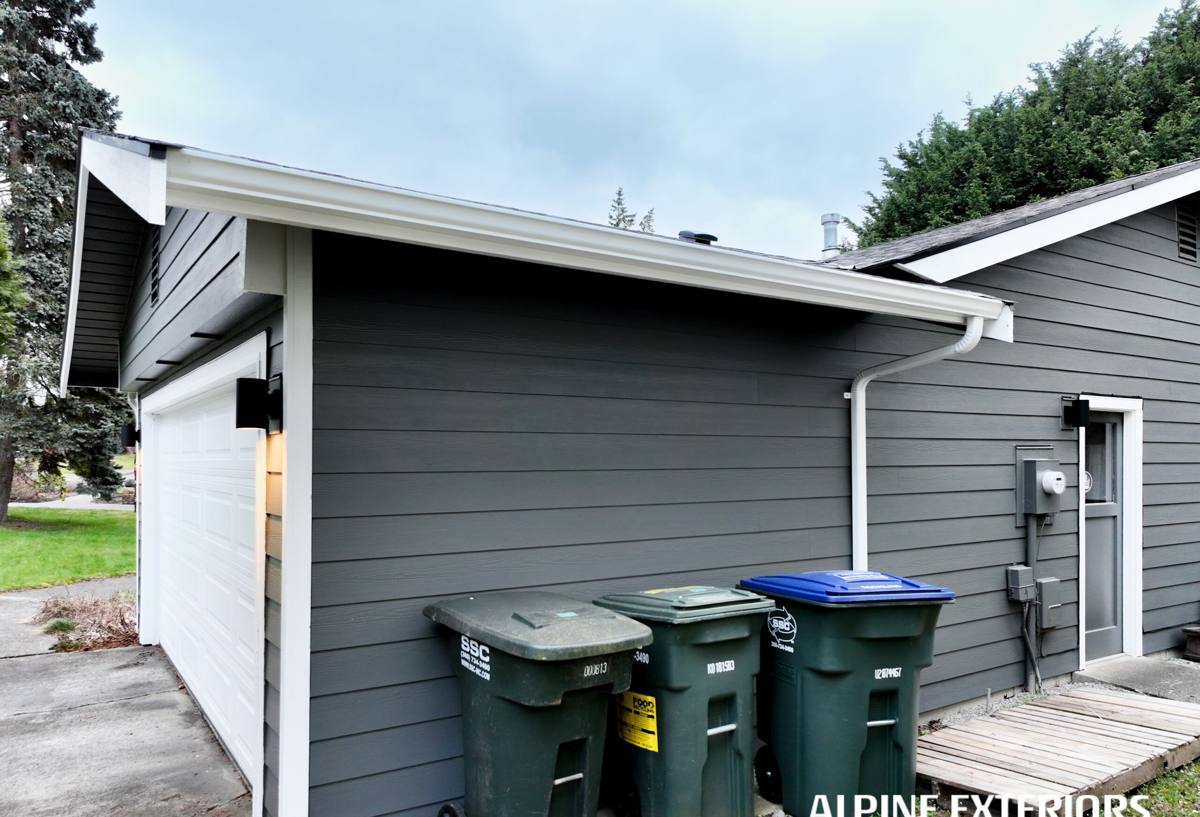
What Whitfield Estates' Housing Stock Means for a Siding Job
Like a lot of the area's older, established neighborhoods, Whitfield Estates has a mix of home ages and construction types — some block homes with wood-frame additions, some full wood-frame construction, mature landscaping that shades and holds moisture against exterior walls, and homes that have already been through at least one prior siding job. That mix matters because it changes what's underneath the surface we're replacing.
- Older wood-frame sections often have original sheathing that needs to be inspected — not assumed — before new siding goes on
- Mature trees mean more standing moisture and organic debris against walls, which accelerates rot in anything that isn't moisture-stable
- Homes with prior vinyl or wood siding frequently have water damage hiding behind the old material that only shows up once it's stripped off
- Additions and renovated sections sometimes have mismatched wall assemblies that need to be brought up to a consistent standard
None of that is unusual, and none of it is a reason to panic. It's just why a proper siding job starts with an honest look at what's behind the existing wall, not a quote written from the sidewalk.
Why This Company Installs Only James Hardie Fiber Cement
We don't install vinyl siding, LP SmartSide, Cemplank, Allura, or primed wood products like spruce or cedar. That's a deliberate standard, not a limitation of what we're capable of installing. Here's the honest reasoning behind it, specific to what this climate does to a wall over time:
Vinyl
Vinyl is affordable and easy to install, and for a lot of the country it's a perfectly reasonable choice. In coastal Florida, UV exposure causes it to fade and go brittle faster than manufacturers' brochures suggest, and it can warp or deform in sustained high heat. It also isn't rated to stand up to wind-driven debris the way a heavier fiber cement panel is.
Wood-based and engineered wood siding (LP SmartSide, primed spruce, cedar)
Engineered wood products have improved a lot, but they're still wood at their core — meaning they're vulnerable to moisture intrusion, swelling, and rot if the water-resistive barrier or flashing detail underneath isn't perfect and stays perfect for decades. In a neighborhood with salt air and regular wind-driven rain, that's a lot of trust to place in a product whose core material absorbs water.
Other fiber cement brands (Cemplank, Allura)
These are legitimate fiber cement competitors, and fiber cement as a category is the right call for this climate. Our reasoning for standardizing on James Hardie specifically comes down to their ColorPlus factory-applied finish process, their HZ5 product engineering for high-wind, high-humidity climates, and a warranty structure that's been consistent and transferable for buyers who eventually sell the home — all of which matter more here than almost anywhere else in the country.
James Hardie: What You're Actually Buying
James Hardie siding is fiber cement — a mix of cement, sand, and cellulose fibers formed under pressure into planks and panels. It doesn't have an organic core to rot, it doesn't melt or warp in heat, and it's non-combustible, which matters for both wildfire-adjacent inland exposure and for insurance underwriting in Florida generally.
HZ5 engineering
James Hardie makes climate-specific product formulations, and the HZ5 line is engineered for regions that see high humidity, wind-driven rain, and freeze-thaw exposure isn't the concern here — humidity and moisture cycling is. HZ5 product is what should be going on homes in this zip code; it's a meaningfully different formulation than what gets shipped to a dry inland climate.
ColorPlus finish
Instead of field-applied paint, ColorPlus color is baked on at the factory in a controlled process, which gives it better fade resistance under sustained UV than most site-applied paint jobs can match, along with a longer color-specific warranty. In a market with this much sun exposure, that's not a cosmetic upsell — it's the difference between repainting in eight years and not.
Comparing the Real Options
| Factor | James Hardie Fiber Cement | Vinyl Siding | Engineered Wood (LP SmartSide) |
|---|---|---|---|
| Wind/impact resistance | Rated for high-wind coastal use (HZ5) | Can crack or blow off in sustained high wind | Moderate; seams and panel edges are vulnerable points |
| Moisture/rot risk | Non-organic core, does not rot | Doesn't rot but traps moisture behind it if installed poorly | Wood core is vulnerable if water gets behind it |
| Salt air/UV durability | ColorPlus finish holds color for years in full sun | Fades and becomes brittle over time in intense UV | Finish and substrate both degrade faster under UV and salt exposure |
| Fire rating | Non-combustible | Combustible | Combustible |
| Maintenance | Occasional wash, repaint only after many years | Low, but replacement panels fade-mismatch over time | Requires ongoing paint and moisture monitoring |
| Typical warranty | Long-term, transferable | Varies widely by manufacturer | Shorter, more installation-dependent |
What a Correct Installation Involves
James Hardie siding fails early almost exclusively because of installation mistakes, not because of the product itself. Manufacturer specifications exist for a reason, and cutting corners on any of the following is how a twenty-five-year product turns into a five-year problem in a climate like this one.
Before the first board goes up
That means confirming the water-resistive barrier is intact and correctly lapped, checking sheathing for existing damage, and correcting anything found — not siding over it.
During installation
Fastener spacing, gap and clearance requirements at trim and penetrations, proper flashing at windows, doors, and any roof-to-wall intersections, and correct starter strip installation all have to follow Hardie's published specs. Skipping the clearance gap at the bottom of the wall, for example, is a small shortcut that lets water wick straight into the board over time.
Finishing details
Caulking only where Hardie's guidelines call for it (not everywhere, which can actually trap moisture), factory-cut edges sealed where required, and touch-up paint matched correctly for any field cuts.
- Existing sheathing inspected and any damage repaired before new siding goes on
- Water-resistive barrier confirmed intact and properly lapped
- Manufacturer-specified fastener type, spacing, and depth used throughout
- Correct clearance gaps maintained at grade, roofline, and trim
- Flashing installed at every window, door, and wall penetration
- HZ5-rated Hardie product confirmed on the work order, not a lower-spec substitute
- Final walkthrough with a written scope of what was done
How Our Process Works
We start with an on-site inspection, not a phone-quote — someone needs to actually look at the current siding, the wall assembly behind it where visible, and the trouble spots specific to that house before we can price the job honestly. From there:
- Written estimate that specifies the exact Hardie product line, profile, and color — not a vague "siding replacement" line item
- Removal of existing siding and inspection of sheathing and the water-resistive barrier, with any damage found reviewed with the homeowner before proceeding
- Installation to James Hardie's published specifications, including fastening, flashing, and clearance details
- Final walkthrough so the homeowner can see the finished work and ask questions before we consider the job closed
We also handle the Manatee County permitting that a job like this requires — that's part of doing it right, not an add-on.
Why It Matters That the Crew Already Works This Neighborhood
A crew that regularly works Whitfield Estates and the surrounding Bradenton and Sarasota Bay area already knows what this specific combination of salt air, sun, and storm exposure does to a wall system, has already dealt with the permitting process for this jurisdiction, and isn't guessing at wind-load requirements from a manual. That familiarity shows up in small decisions on the job — how flashing gets detailed around an older window, how much clearance gets left at grade on a lot with mature landscaping, which HZ product actually belongs on a house this close to the water. Those are the details that determine whether siding is still doing its job in fifteen years or needs attention in five.
Get a Straight Answer for Your Home
If your siding is showing its age, or you just want an honest opinion on what condition it's actually in, we're happy to take a look. There's no pressure and no obligation — just a straightforward inspection and a written estimate specific to your home, using the form below.