 Bradenton Window
 Metal Roofing Built for Lakewood Ranch Conditions
Lakewood Ranch homeowners ask about metal roofing for a simple reason: asphalt shingles wear out faster here than the national average suggests, and a lot of that comes down to what this part of Manatee County throws at a roof year after year. Between hurricane-season wind loads, months of intense UV exposure, wind-driven rain that finds every weak seam, and the general humidity load of living near the Gulf, a roof here is doing more work than the same roof would in a milder climate. Metal roofing, installed correctly, is one of the few systems built to shrug off all four of those stresses at once instead of just one or two.
This page is specifically about metal roofing for Lakewood Ranch properties — not a general overview of every roofing material we offer. If you're comparing metal against shingles for a home in this community, or you already know you want metal and need to understand what a correct installation actually involves, this is written for you.
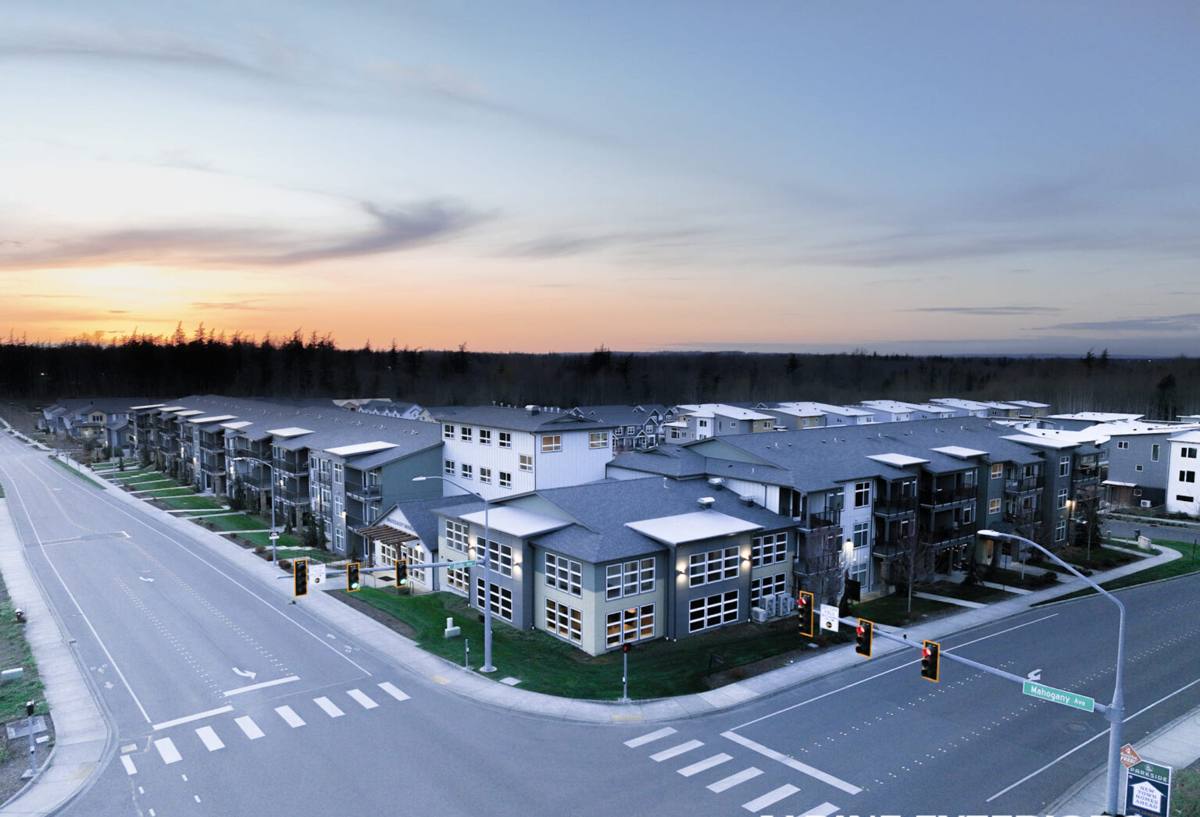
What Lakewood Ranch Roofs Are Up Against
Lakewood Ranch sits inland from the coast but is still squarely inside Manatee County's hurricane wind zone, which means every roofing product installed here has to meet Florida Building Code wind-uplift requirements — not just "look sturdy." A few specific pressures matter more here than in most parts of the country:
- Wind uplift: Sustained tropical-storm and hurricane winds create suction forces that pull at roof edges, ridges, and any fastener that isn't set correctly. A roof's weak point is almost always at a transition — a valley, a ridge cap, a flashing detail — not the open field of the roof.
- UV exposure: Florida sun is harsher and more constant than in most of the country. Roofing materials that rely on surface coatings or asphalt granules degrade faster under this kind of year-round UV load.
- Wind-driven rain: Storms here rarely fall straight down. Rain gets pushed sideways under wind pressure and tests every seam, lap, and penetration on a roof, not just the shingles or panels themselves.
- Humidity and moisture cycling: Even without a storm, the constant humidity swings between hot afternoons and cooler nights push moisture into roofing systems that don't ventilate well, which is a slower but very real cause of failure.
Metal roofing doesn't make these forces disappear, but a correctly installed metal system handles wind uplift with continuous fastening or concealed clip systems, sheds wind-driven rain through interlocking seams instead of overlapping tabs, and resists UV degradation far longer than asphalt's granule surface. The material advantage is real — but only if the installation matches it.
Metal Roofing Systems We Install
"Metal roofing" covers a range of products with real differences in cost, appearance, and performance. Here's how the main options compare for a Lakewood Ranch home:
| System | How It's Fastened | Typical Lifespan | Best For |
|---|---|---|---|
| Standing seam | Concealed clips, no exposed fasteners | 40-60+ years | Homeowners wanting the strongest wind and water performance, and a clean architectural look |
| Stone-coated steel | Exposed or concealed fasteners depending on profile | 30-50 years | Homeowners who want the look of tile or shake with metal's underlying durability |
| Corrugated / exposed-fastener panel | Screws driven through the panel face | 25-40 years | Budget-conscious projects, outbuildings, or secondary structures |
For primary residences in a wind-exposed community like Lakewood Ranch, we most often recommend standing seam. The concealed fastening system removes the single biggest long-term liability of exposed-fastener panels: the screws and washers that hold the panel down are also the first thing to fail as gaskets age and wood movement works fasteners loose. Standing seam avoids that failure mode entirely, which matters more here than in a low-wind climate.
What We Steer Homeowners Away From, and Why
We're generally cautious about recommending exposed-fastener panel systems as a primary roof covering on homes in this wind zone, even though they're a legitimate, lower-cost product. The tradeoff is maintenance: exposed fasteners need periodic inspection and occasional re-torquing or replacement as gaskets compress and weather over time, and a missed fastener is a leak path. That's not a defect in the product — it's simply a different maintenance commitment than a concealed-fastener system, and we think homeowners should choose it with that tradeoff in mind rather than find out about it later.
What a Correct Metal Roof Installation Actually Involves
Metal roofing has a reputation for being nearly maintenance-free, and that's mostly true — but only when the installation underneath the visible panels is done right. Most metal roof problems we're called to diagnose trace back to shortcuts taken during install, not the material failing on its own.
Underlayment and Deck Prep
The panels are the visible layer, but the underlayment is the actual waterproofing barrier. On metal roofs, we install a high-temperature synthetic or self-adhered underlayment rated for the heat that builds up under metal panels in direct Florida sun. Before any underlayment goes down, the deck itself gets inspected — soft spots, delamination, or old fastener holes from a prior roof all get addressed first, because a metal roof installed over a compromised deck just hides the problem instead of fixing it.
Fastening and Wind Rating
Every metal roofing system installed in Manatee County has to meet a specific wind-uplift rating tied to the county's wind speed zone under the Florida Building Code. That rating depends on fastener spacing, clip type, and panel gauge — it's not a one-size-fits-all number. We install to the rating required for your specific roof geometry and exposure, not just "standard spacing."
Flashing and Penetrations
Valleys, chimneys, plumbing stacks, and roof-to-wall transitions are where the overwhelming majority of roof leaks start, on metal roofs and every other kind. Correct flashing detail work — not just caulk — is what keeps wind-driven rain from finding its way in at these points.
Ventilation
Metal roofs perform best with proper attic and ridge ventilation underneath them. Good airflow keeps heat from building up under the panels, protects the underlayment from premature aging, and helps control the moisture cycling that Florida's humidity creates inside a roof system.
Our Process for a Lakewood Ranch Metal Roof Project
- On-site inspection. We look at your current roof, deck condition, attic ventilation, and roof geometry before recommending a system or giving a number.
- Written estimate. You get a clear scope covering panel type, underlayment, flashing details, and timeline — no vague allowances.
- Permitting. Metal roof replacements require a Manatee County building permit. We handle the permit application and coordinate the required inspections.
- Tear-off and deck prep. Old roofing comes off, the deck gets inspected and repaired where needed, before anything new goes down.
- Underlayment and panel installation. Installed to the wind-uplift rating required for your roof.
- Flashing, trim, and final detailing. This is where leak prevention actually happens — it gets the same attention as the field panels.
- Final walkthrough and cleanup. We walk the job with you and do a magnetic sweep of the property for stray fasteners and debris.
Metal Roofing and Your Homeowners Insurance
Many insurance carriers writing policies in coastal and near-coastal Florida communities offer premium credits for roofs that meet certain wind-mitigation standards, and metal roofing systems with a proper wind-uplift rating often qualify. We can't quote your specific insurance savings — that depends on your carrier and policy — but we do provide the documentation (permit, product wind rating, installation compliance) that your insurance agent will need to evaluate a wind-mitigation credit. It's worth asking your agent about before you finalize a roofing decision.
Maintaining a Metal Roof in This Climate
One of the real advantages of metal roofing is how little ongoing maintenance it needs compared to shingles — but "little" isn't "none," especially in a climate this active. A simple annual routine goes a long way:
- Visually check for any panel scratches or dented sections after a major storm, since exposed steel at a scratch can begin to corrode if left unaddressed.
- Clear leaves, pine straw, and debris from valleys and gutters so water keeps moving off the roof instead of pooling against a seam.
- Check sealant at penetrations (vent stacks, chimneys) every year or two, since sealant ages faster under constant UV than the metal itself does.
- Trim back overhanging tree limbs that can scuff panel coatings or drop debris into valleys during wind events.
- After any named storm, have the roof looked at even if there's no visible leak — wind can loosen a fastener or lift a seam edge without an immediate leak showing up inside.
Why a Crew That Already Works in Lakewood Ranch Matters
Roofing code compliance, permitting, and wind-uplift requirements aren't identical from one Florida county to the next, and they're not always identical from one municipality to another within the same county. A crew that regularly pulls permits and passes inspection in Manatee County already knows the local building department's process, the inspection sequence, and the documentation that gets a project approved without back-and-forth delays. That familiarity translates directly into a smoother project timeline for you.
It also matters for something less obvious: matching a roofing system to how homes are actually built in this area. Lakewood Ranch's mix of newer construction and HOA-governed communities often comes with specific aesthetic guidelines around roofing color, profile, and material — something a crew unfamiliar with the community's standards can easily miss, leading to delays or required rework. We work these details out with you before installation starts, not after.
Metal Roofing vs. Reroofing with Shingles: A Straight Comparison
We don't push metal roofing on every homeowner — it's a bigger upfront investment than asphalt shingles, and for some budgets or timelines, a well-installed shingle roof is still the right call. Here's the honest tradeoff:
| Factor | Metal Roofing | Asphalt Shingles |
|---|---|---|
| Upfront cost | Higher | Lower |
| Typical lifespan | 25-60 years depending on system | 15-20 years in this climate |
| Wind performance | Excellent with concealed-fastener systems | Good when installed to code, but tabs remain a vulnerable edge |
| UV/heat durability | Very high; coatings resist fading and degradation | Granule loss accelerates under constant sun |
| Long-term maintenance | Low | Moderate — more frequent inspection and repair over its life |
For homeowners planning to stay in their Lakewood Ranch home long-term, metal roofing's higher upfront cost is usually offset by the fact that you're not budgeting for a full reroof again in 15-20 years. For a shorter ownership horizon, the calculation can go either way, and we'll walk through it honestly during your estimate rather than push one system regardless of your situation.
Ready to Talk Through Your Roof
If you're weighing metal roofing for a Lakewood Ranch home, the best next step is a straightforward, no-pressure look at your current roof and what it would actually take to get it right. Fill out the form below and we'll set up a time to come take a look and put together a clear, honest estimate.