 Bradenton Window
 Why Lakewood Ranch Roofs Wear Differently
Lakewood Ranch sits inland from the Gulf, but that doesn't mean the roofs here get an easy ride. Between hurricane-season wind events, months of intense subtropical sun, and the humidity that never really leaves the air, a roof in this part of Manatee County is under near-constant stress. Add in the sudden, hard-driving thunderstorms that roll through most summer afternoons, and you have a climate that tests every layer of a roofing system — not just the shingles or tiles you can see from the street.
Homes in the newer sections of Lakewood Ranch tend to have roofs installed within the last couple of decades, often to strong wind-load standards. Homes in the older, established neighborhoods may be nearing or past the point where a repair no longer makes sense compared to a full replacement. Either way, the deciding factors are the same: how well the roof was built, what it's made of, and whether it's kept its wind and water integrity over time.
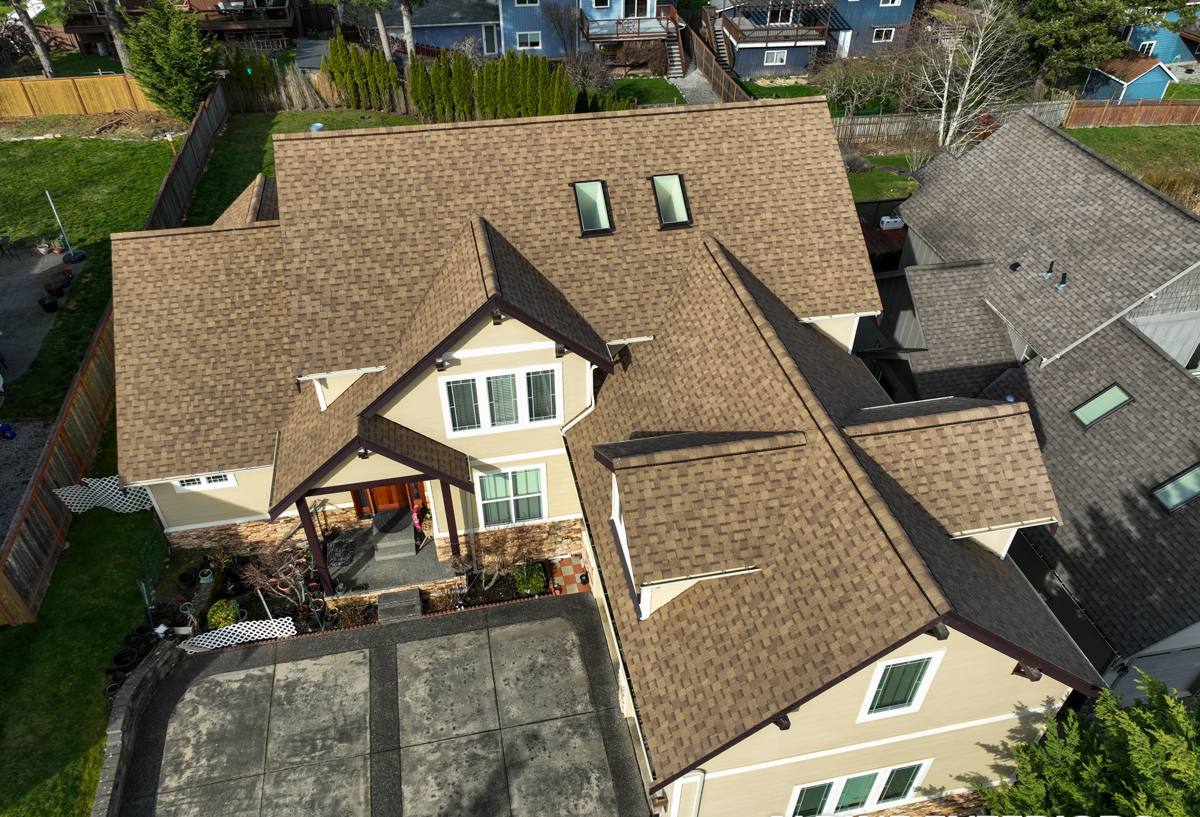
Signs a Lakewood Ranch Roof Needs Replacing, Not Patching
A lot of roofs get repaired long after replacement would have been the smarter call. Some of the more reliable signs it's time to talk about a full install instead of another patch:
- Granule loss heavy enough that you're finding grit in gutters or at downspouts regularly
- Multiple past repairs in different areas of the roof, rather than one isolated issue
- Soft spots, sagging, or visible deck movement when walked on
- Curling, cracked, or lifted shingles/tiles across more than a small section
- Daylight visible through the attic decking, or recurring staining on interior ceilings
- A roof approaching or past the manufacturer's expected service life for its material and this climate
- Rising insurance premiums or non-renewal notices tied to roof age or condition
That last point matters more in Manatee County than it used to. Insurers here have gotten stricter about roof age and wind-mitigation features, and a documented new roof with the right fastening and underlayment can directly affect what a homeowner pays for coverage.
What a Correct Installation Actually Involves
A new roof is more than swapping the surface material. The parts nobody sees from the driveway are usually what determine whether a roof performs in a storm or fails at the first hard gust. A correct installation addresses each layer as a system, not a stack of unrelated steps.
Deck Inspection and Repair
Once the old roofing is stripped, the deck gets inspected board by board. Any wood that's soft, delaminated, or water-damaged gets replaced before anything new goes down. Installing new roofing over a compromised deck is one of the most common shortcuts that leads to early failure — it's also one of the hardest problems to catch after the fact, since it's hidden again the moment the new roof goes on.
Underlayment and Water Barrier
This is the roof's real defense against wind-driven rain, which is a bigger issue here than straight-down rainfall. A synthetic or self-adhering underlayment, properly lapped and sealed at penetrations, keeps water out even if wind pushes it up under the surface material during a storm.
Flashing at Every Transition
Valleys, chimneys, skylights, and wall-to-roof joints are where leaks actually start — not the open field of the roof. New flashing, properly integrated with the underlayment (not just caulked over old metal), is non-negotiable on a correct install.
Fastening to Code
Manatee County follows Florida Building Code wind-load requirements, which dictate nailing or fastening patterns based on the home's location and exposure. This isn't a place to save time — under-fastened roofing is the single biggest reason roofs fail in high wind before their material even reaches end of life.
Attic Ventilation
Proper intake and exhaust ventilation keeps attic temperatures and moisture in check. In Florida's heat, poor ventilation shortens roof life from underneath, cooking the deck and underlayment even while the surface looks fine.
Roofing Material Options for Lakewood Ranch Homes
There's no single "best" roofing material — the right choice depends on the home's structure, HOA requirements (common in many Lakewood Ranch communities), and the homeowner's priorities around cost, longevity, and maintenance.
| Material | Typical Lifespan | Wind/Storm Notes | Maintenance |
|---|---|---|---|
| Architectural asphalt shingle | 20-30 years | Good performance with proper fastening; rated shingles hold up well to Florida wind speeds | Low to moderate |
| Concrete or clay tile | 40-50+ years | Heavy and durable, but individual tiles can crack or dislodge in severe wind if not properly secured | Occasional tile replacement |
| Standing seam metal | 40-60 years | Excellent wind uplift resistance when properly installed; handles wind-driven rain well | Low |
| Flat/low-slope membrane (lanai, additions) | 15-25 years | Needs correct drainage design to avoid ponding in heavy rain | Periodic inspection |
Many Lakewood Ranch communities have HOA architectural guidelines that restrict color, profile, or material on street-facing roof planes. We factor that in during the estimate so there's no surprise conflict with community standards after the fact.
Our Installation Process
The process is straightforward, but each step matters:
- On-site evaluation — we inspect the existing roof, deck condition, ventilation, and any problem areas, and talk through material options that fit the home and budget.
- Written estimate — a clear scope of work, material selection, and pricing, with no vague allowances hiding future change orders.
- Permitting — we pull the required Manatee County/Lakewood Ranch permit and handle inspection scheduling; this isn't optional on a full re-roof and protects the homeowner if there's ever an insurance claim.
- Tear-off and deck inspection — old roofing removed down to the deck, with any damaged sheathing identified and replaced.
- Underlayment, flashing, and fastening — installed to current code, not the standard the old roof was built to.
- Final material installation — shingles, tile, or metal installed per manufacturer specification, which is what keeps warranties valid.
- Cleanup and magnetic sweep — job site cleared of debris and nails before we consider the job done.
- Final inspection — county inspection and our own walk-through with the homeowner.
Permits, Wind Mitigation, and Insurance
A new roof installed in Manatee County requires a building permit and must meet current Florida Building Code wind-load provisions — these are stricter than what many older roofs in the area were originally built to. Once the new roof passes final inspection, homeowners can request a wind mitigation inspection, which documents features like roof shape, deck attachment, and roof-to-wall connections. That report goes to the insurance carrier and can lower premiums meaningfully, since it verifies the home is better prepared for hurricane-force wind than it was before.
We provide the documentation homeowners need to take to their insurance agent after the job is complete — permit closeout, material specs, and installation details.
Cost Factors to Understand Before You Get Quotes
Roofing quotes can vary widely, and the reasons usually come down to a handful of factors rather than one contractor simply being cheaper or more expensive.
| Factor | Why It Matters |
|---|---|
| Roof size and pitch | Steeper, more complex roofs take longer and require more safety setup and material |
| Material choice | Shingle, tile, and metal have different material and labor costs per square |
| Deck condition | Rotted or damaged decking found during tear-off adds material and labor not visible during the initial quote |
| Number of penetrations | Chimneys, skylights, and vents each need individual flashing work |
| Access and layout | Multi-story sections, lanais, or tight lot lines can affect equipment and staging |
| Permit and code requirements | Wind-load fastening and underlayment specs are non-negotiable and factored into every legitimate quote |
An honest estimate should walk through these factors specifically for your home, not just hand over a flat per-square number with no explanation.
What to Check Before Hiring a Roofing Crew
- Florida state roofing license, active and in good standing
- General liability and workers' compensation insurance, with proof available on request
- A written estimate that names specific materials, underlayment type, and fastening approach — not just "new roof"
- Permit pulled in the contractor's name, not left for the homeowner to handle
- A manufacturer-certified installation status, if warranty coverage matters to you
- Clear communication about deck repair costs if damage is found during tear-off
- Local references or a track record of work in this specific area
Why Local Experience in Lakewood Ranch Matters
A crew that regularly works in Lakewood Ranch already knows the permitting process with Manatee County, understands which HOA communities have architectural review requirements, and has a feel for how the area's mix of newer construction and established homes tends to age under Gulf Coast conditions. That familiarity shortens the estimate process, reduces surprises during permitting, and means the fastening and material choices are already matched to what this specific climate demands — not a generic national spec.
It also means faster response when it counts. After a major wind event, roofing demand across the region spikes fast, and having an established local crew already familiar with your home and neighborhood makes a real difference in how quickly a damaged roof gets addressed.
Get a Straightforward Estimate
If your Lakewood Ranch roof is showing its age, was damaged in a storm, or you're simply planning ahead before your next hurricane season, we're happy to take a look and give you an honest read on where things stand. The estimate is free, there's no pressure, and you'll get a clear explanation of what your roof actually needs — use the form below to get started.