 Bradenton Window
 Why Longboat Key Siding Wears Out Faster Than Homes Inland
A house on Longboat Key doesn't age the same way a house a few miles inland does. Living on a barrier island means salt-laden air is in constant contact with every exterior surface, wind-driven rain gets forced sideways into seams and laps during almost every serious storm, and the sun here is intense and nearly year-round. None of that is exotic knowledge to anyone who has owned a home on the Key for a while — but it matters a lot when you're trying to figure out why your siding is failing faster than a friend's siding in a subdivision closer to downtown Bradenton.
Salt air is corrosive to fasteners, trim flashing, and any metal component tucked behind or under your siding. Wind-driven rain doesn't need a hurricane to do damage — a strong afternoon squall coming off the Gulf can push moisture past joints and laps that would stay dry in a calmer inland setting. And constant UV exposure breaks down caulk and paint film faster than manufacturers' general warranty language usually accounts for, which is part of why cosmetic problems on Longboat Key homes are so often a symptom of something happening underneath, not just on the surface.
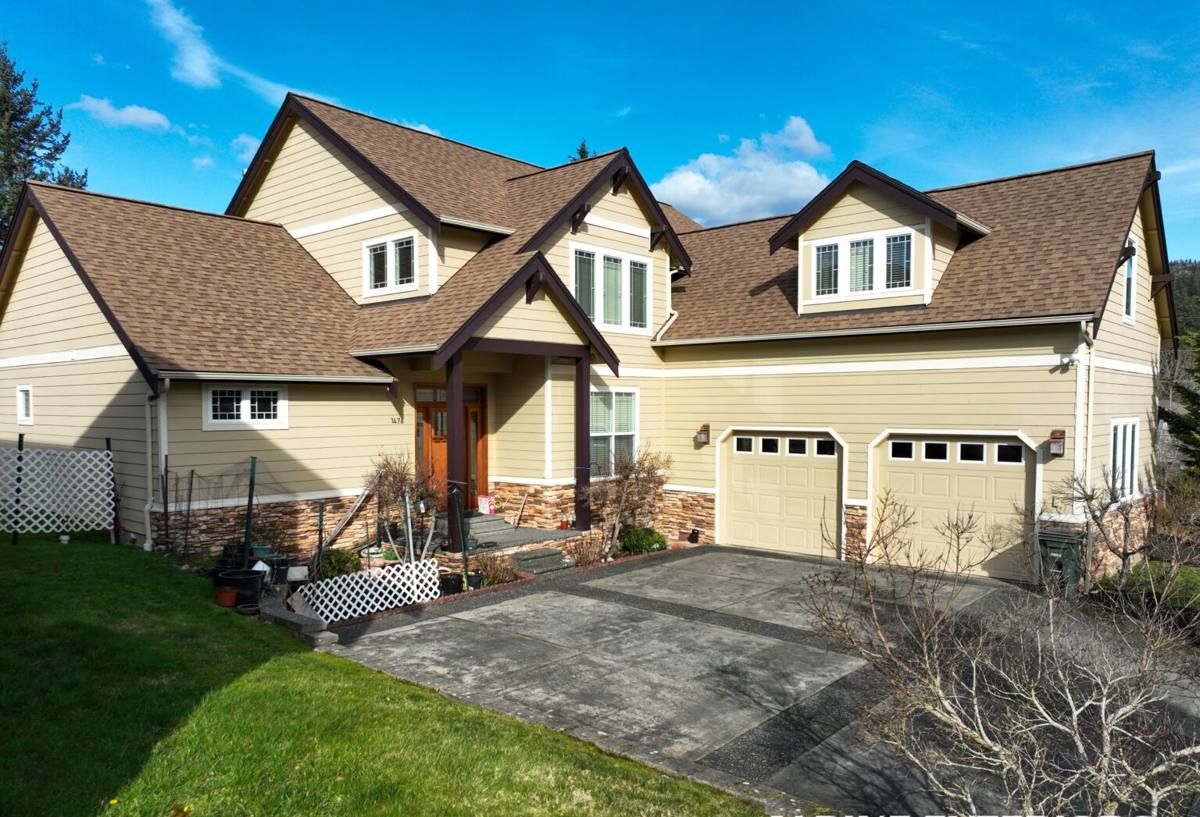
Common Signs Your Longboat Key Home Needs Siding Repair
Most siding repair calls on the Key start with a homeowner noticing one of these issues. None of them are emergencies by themselves, but they're all worth a real inspection rather than a guess:
- Soft, spongy, or visibly swollen sections of siding, especially near the bottom courses or around window and door trim
- Paint that's peeling, bubbling, or chalking heavily in one area but not others — often a sign of trapped moisture behind that spot
- Visible gaps, warping, or buckling where boards or panels no longer sit flat against the wall
- Streaking, staining, or a persistent musty smell near an exterior wall, especially after rain
- Cracked or crumbling caulk lines at seams, corners, and trim joints
- Rust bleed or corrosion stains around fasteners or metal flashing
- Sections that were patched or painted before but are failing again in the same spot
What a Correct Siding Repair Actually Involves
Finding the Water Path, Not Just the Symptom
The single biggest mistake in siding repair — anywhere, but especially on a barrier island — is treating the visible damage as the whole problem. A stained or swollen board is usually the end of a path that water has been following for months or years: in through a failed caulk joint or a gap at a penetration, down behind the siding, and out wherever it finally shows itself. Repairing only the spot you can see, without tracing that path back to its source, means the same failure comes back within a season or two, often worse than before.
A correct repair starts with removing enough siding to actually see what's happening behind it: the condition of the water-resistive barrier, the flashing at windows, doors, and penetrations, and whether the framing or sheathing underneath has taken on moisture. Skipping this step is how homeowners end up paying for the same repair twice.
Matching Material and Fastening to Code
Manatee County's building code reflects the wind and moisture exposure this area actually sees, and coastal properties like those on Longboat Key deserve fastening schedules, flashing details, and clearances that meet or exceed that standard — not the minimum that happens to match what's already on the wall. That means the right nail or screw pattern, corrosion-resistant fasteners suited to salt air, proper house wrap or building paper integration, and starter strip, joint, and clearance details that shed water instead of trapping it. A repair that just replicates whatever was there before — including whatever mistakes were there before — isn't really a repair, it's a reset button on the same failure.
Why We Rebuild Repairs in James Hardie Fiber Cement
We install James Hardie fiber cement siding exclusively — we don't install vinyl, LP SmartSide, Cemplank, Allura, or primed wood siding. That standard applies to repair work too. When we open up a damaged section of siding on a Longboat Key home, what we put back matters as much as how carefully we install it, and in this climate the material itself is doing a lot of the long-term work.
Here's how the common siding materials we encounter on repair calls actually hold up under sustained salt air, UV, and wind-driven rain:
| Material | How it typically fails in this climate | Repair reality |
|---|---|---|
| Vinyl | Becomes brittle and UV-faded over time, warps or bows under heat, panels can pop loose in high wind | Color-matching old, sun-faded vinyl is nearly impossible; replaced panels always look new and mismatched |
| Untreated wood / cedar | Absorbs moisture at end grain and joints, prone to rot and pest damage once coatings break down | Requires ongoing recoating; rotted sections often extend further than what's visible on the surface |
| LP SmartSide (engineered wood) | Vulnerable to swelling and edge deterioration if moisture reaches the wood strand core | Once the core is compromised, patching rarely holds — the affected board typically needs full replacement |
| James Hardie fiber cement | Non-combustible cement composite; resists moisture absorption, doesn't rot, and holds paint/ColorPlus finish far longer under UV | Designed and engineered for high-wind, high-moisture climates; repairs integrate cleanly with existing HardiePlank or HardiePanel systems |
When a repair calls for new siding material — whether it's a single board or a full wall section — we rebuild it in Hardie. It's non-combustible, it doesn't absorb and hold moisture the way wood-based products do, and its factory-applied ColorPlus finish is built to withstand exactly the UV load this region gets. That's not a sales pitch; it's the reason we stopped installing anything else.
Our Siding Repair Process
Every repair on Longboat Key follows the same sequence, whether it's a single damaged section or a wider issue across one elevation of the home:
- Inspection. We look at the visible damage and the areas around it — corners, penetrations, trim, and any adjacent siding that shows early warning signs.
- Tracing the source. We open up enough of the wall assembly to confirm where water is actually getting in, not just where it's showing up.
- Defining the real scope. We tell you honestly how much needs to come off — sometimes it's less than the damage suggests, sometimes it's more, but we don't pad the job or shrink it to hit a number.
- Repair and rebuild. Damaged sheathing, flashing, or barrier material gets addressed first; siding goes back correctly fastened and sealed, matched in profile and, where possible, in color.
- Final check. We walk the repaired area with you before we call it done, and explain what we found and what we did about it.
Repair or Replace? How We Help You Decide
Not every siding problem on Longboat Key needs a full re-side, and not every problem is fixable with a small patch either. We walk homeowners through the same factors every time:
| Factor | Leans toward repair | Leans toward replacement |
|---|---|---|
| Extent of damage | Isolated to one area or elevation | Recurring across multiple walls or sections |
| Moisture behind the siding | Contained, sheathing intact | Widespread, sheathing or framing compromised |
| Age and condition of remaining siding | Siding elsewhere is sound and well-fastened | Siding elsewhere is already showing wear, warping, or failed caulk |
| Existing material | Already James Hardie fiber cement | A material we don't install going forward (vinyl, LP SmartSide, untreated wood, etc.) |
We'll never talk a homeowner into a full replacement when a targeted repair genuinely solves the problem. We'll also never patch something that's going to fail again in a year just to keep the job small — we'll tell you which situation you're in and why.
Why a Crew That Already Works Longboat Key Matters
Barrier island work has its own logistics. Bridge access affects scheduling and material delivery, many communities on the Key have architectural review or HOA requirements for exterior work, and the building department expects wind and moisture details appropriate to a coastal property — not whatever passes inland. A crew that already works this area knows those requirements going in, instead of learning them mid-project and costing you time.
There's also a practical, hands-on knowledge gap that only comes from repeated exposure to this specific environment: knowing which fastener types actually hold up against salt-air corrosion here, knowing what a genuine wind-driven-rain intrusion path looks like versus a cosmetic issue, and knowing how James Hardie siding systems specifically perform and repair in this climate versus how they're described in a general installation manual written for a different part of the country.
Keeping Repaired Siding Sound in a Salt-Air Climate
Once a repair is done right, a little upkeep goes a long way toward making sure it stays that way:
- Rinse siding periodically with fresh water to reduce salt film buildup, especially on walls facing open water or prevailing wind
- Inspect caulk lines at trim, corners, and penetrations once or twice a year and re-caulk before gaps appear, not after
- Keep gutters and downspouts clear so roof runoff isn't dumping extra water down exterior walls
- Trim back vegetation that holds moisture against siding or blocks airflow and sun exposure needed for drying
- Address small paint or finish wear early, before UV exposure turns a cosmetic issue into a moisture entry point
Fiber cement lowers the maintenance burden considerably compared to wood or engineered wood products, but no siding on a barrier island is truly maintenance-free — a little routine attention protects the repair investment you've already made.
If you're seeing warning signs on your Longboat Key home — or you just want an honest read on whether you're looking at a repair or something bigger — we're happy to take a look. The estimate is free, there's no pressure, and you'll get a straight answer about what your siding actually needs.