 Bradenton Window
 Building Decks That Actually Hold Up in Mill Creek
A deck in Mill Creek doesn't live an easy life. Between the intense year-round Florida sun, wind-driven rain off the Gulf, the occasional hurricane-force gust, and the salt-laden air that drifts inland across Manatee County, an outdoor structure here takes a beating that most national deck-building guides never account for. A deck built the way it might be built in a drier, milder climate will show its age fast in Bradenton — cupped boards, rusted fasteners, wobbly rail posts, and footings that never should have moved in the first place.
We build decks for homes in and around Mill Creek with that reality in mind from the first conversation. That means different material choices, different fastening hardware, different footing depths, and a different approach to ventilation and drainage than you'd find in a generic deck package. This page walks through what a correctly built deck for this neighborhood actually involves, so you know what to expect and what to ask for.
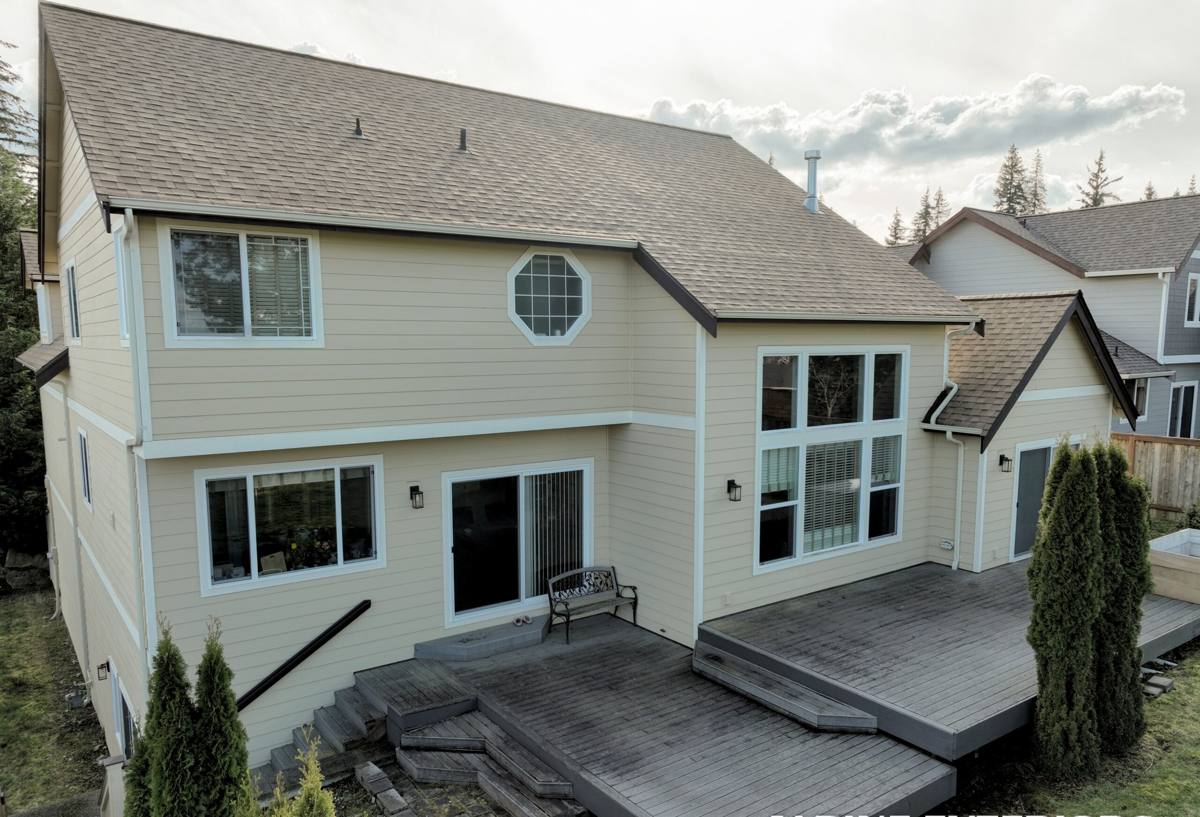
What Bradenton's Climate Does to a Deck
It helps to understand the specific stresses at play before talking about the fix for each one.
UV and Heat
Florida sun is relentless, and it doesn't take a summer off. UV exposure breaks down the lignin in wood fibers, causing graying and surface checking, and it degrades the plasticizers in lower-quality composite boards over time, leading to fading and occasional warping. Deck surfaces here also run hot underfoot — a real comfort consideration, not just a durability one.
Wind-Driven Rain and Humidity
Rain in this part of Florida rarely falls straight down. Wind pushes it sideways and up under rail caps, ledger boards, and stair stringers — exactly the spots where trapped moisture causes rot and hidden hardware corrosion. Combine that with year-round humidity and you get wood that never fully dries between storms, which is a major driver of premature decay if the structure wasn't detailed for drainage.
Hurricane-Force Wind Loads
Manatee County sits in a wind zone where framing connections, post anchoring, and railing attachment all matter more than they would inland or up north. A deck that looks fine in calm weather can fail at the ledger connection or post base during a tropical storm if it wasn't engineered and fastened for uplift and lateral load, not just vertical weight.
Salt Air
Even away from the immediate coastline, salt-bearing air moves through the Bradenton area and accelerates corrosion on any fastener, bracket, or fixture that isn't rated for it. Standard interior-grade screws and brackets can start showing rust bleed within a season or two.
What a Correctly Built Deck Involves Here
None of the climate factors above are exotic — they're just Bradenton's normal weather. A deck that's going to last has to be built around them, not in spite of them.
Footings and Framing
Footing depth and post spacing need to reflect local soil conditions and wind load requirements, not a one-size-fits-all span table. We size footings and framing members for the loads a Manatee County structure will actually see, including uplift resistance at post bases, not just the downward weight of people and furniture.
Ledger Attachment
The ledger board — where the deck ties into the house — is the single most common failure point on poorly built decks anywhere, and the stakes are higher here because of wind load. Proper flashing, corrosion-resistant lag bolts or structural screws, and a sealed connection to the house framing are non-negotiable, not upgrades.
Fasteners and Hardware
Every screw, bolt, joist hanger, and post base on a Mill Creek deck should be rated for coastal or salt-air exposure — typically stainless steel or a heavy-duty coated fastener system designed for corrosive environments. This is one of the cheapest parts of a deck by material cost and one of the most consequential if it's done wrong, since hardware failure is what actually causes decks to collapse or come loose, not board wear.
Ventilation and Drainage
Trapped moisture under and around a deck is a slow rot sentence. Proper joist spacing, gapping between boards, and grading underneath the structure so water doesn't pool are all part of building for this climate rather than just following a generic plan set.
Choosing the Right Decking Material
There's no single "best" decking material for every Bradenton homeowner — it depends on your budget, how much upkeep you want to do, and how you use the space. Here's how the common options actually compare under this region's conditions.
| Material | Sun & Heat Behavior | Moisture & Rot Resistance | Maintenance |
|---|---|---|---|
| Pressure-Treated Wood | Grays and can check/splinter with UV exposure over time | Good if properly sealed and re-sealed on schedule | Annual cleaning and periodic re-staining/sealing |
| Composite Decking | Fade-resistant with quality capstock; can run hot to the touch in direct sun | Excellent — doesn't rot, resists moisture absorption | Occasional washing; no staining or sealing |
| Tropical Hardwood | Naturally dense and UV-tolerant when maintained | Very good natural resistance | Periodic oiling to maintain color and prevent surface checking |
Whichever material a homeowner chooses, our standard is the same underneath it: the framing, fasteners, and connections that don't show are built to the same coastal-grade standard regardless of what decking surface sits on top.
Railings, Stairs, and Hardware Details
Railings and stairs take direct weather exposure and constant physical use, so they deserve the same attention as the deck surface itself. Post-to-frame connections need to resist lateral load from people leaning on them, not just look sturdy. Baluster spacing and rail height should meet current code, and any metal components — cable rail, aluminum pickets, or hardware — should be rated for coastal exposure so they don't become the first visibly aging part of the structure. Stair stringers, which sit close to grade and catch splashback, are especially prone to rot if they aren't detailed with the same moisture management as the rest of the frame.
Our Process for a Mill Creek Deck Project
- On-site consultation. We walk the yard, talk through how you'll actually use the space, and look at drainage, sun exposure, and how the deck will tie into the house.
- Design and material selection. We go over material options honestly, including real trade-offs on maintenance and upfront cost, so you're choosing based on how you live, not a sales pitch.
- Permitting. We handle the Manatee County permit application and ensure the design meets current wind load and building code requirements before construction starts.
- Framing and structural work. Footings, framing, and ledger attachment are built first and inspected before decking goes down — this is the part of the job that determines whether the deck lasts.
- Decking, railing, and finish work. Surface material, railings, stairs, and any lighting or finish details are installed and checked for level, spacing, and fastener consistency.
- Final walkthrough. We go over the finished deck with you, including basic care guidance specific to whatever material you chose.
Permits and Code in Manatee County
New decks and significant deck rebuilds in Manatee County generally require a building permit, and structures need to meet wind load requirements appropriate to the area. Skipping the permit process might save time upfront, but it can create real problems later — from failed home inspections during a sale to insurance complications if a structure wasn't built or documented to code. We pull the required permits as part of the job rather than leaving that step to the homeowner.
Why Local Experience in Mill Creek Matters
A contractor who already works in and around Mill Creek understands the practical realities that don't show up in a generic estimate: how the local permitting process actually runs, what soil and drainage tend to look like on lots in this part of Bradenton, and which fastener and framing standards hold up under Gulf Coast weather versus which ones fail early. That experience shows up in fewer surprises during construction and a deck that's built for the conditions it will actually face, not a national average.
It also matters for accountability. A crew that plans to keep working in this community has every reason to build something that holds up and to stand behind it if a question comes up down the road.
Questions Worth Asking Before You Hire
- Is the fastener and hardware package rated for coastal or salt-air exposure, or is it standard interior-grade hardware?
- Will footings and framing be sized for local wind load requirements, not just a generic span table?
- Is a Manatee County building permit included in the scope of work?
- How is the ledger board flashed and sealed where it meets the house?
- What does routine maintenance actually look like for the specific material being proposed?
- Is there a clear, written scope of work before construction begins?
Let's Talk About Your Deck
If you're planning a new deck or replacing one that's showing its age, we're happy to take a look and walk you through honest options for your yard, your budget, and how you actually want to use the space. Use the form below to request a free, no-pressure estimate.