 Bradenton Window
 Ellenton's Climate Is Hard on Roofs — Here's Why That Matters
Ellenton sits close enough to Tampa Bay and the Gulf that homes here deal with a specific combination of stresses most inland roofs never see. Hurricane-force wind gusts test every fastener and flashing detail. Intense, nearly year-round UV breaks down roofing materials faster than in cooler climates. Wind-driven rain finds any gap in a roof system and pushes water sideways and upward, not just straight down. And salt-laden air corrodes exposed metal components over time. None of this means a roof can't last — it means it has to be installed correctly for these exact conditions, not installed the same way a crew might build a roof in a dry, calm inland state.
When we talk about a "new roof installation" for a home in this part of Manatee County, we're talking about a system: deck, underlayment, flashing, fastening pattern, and ventilation all working together. Skip or shortcut any one piece and the whole system is only as strong as its weakest link, usually right when a storm tests it.
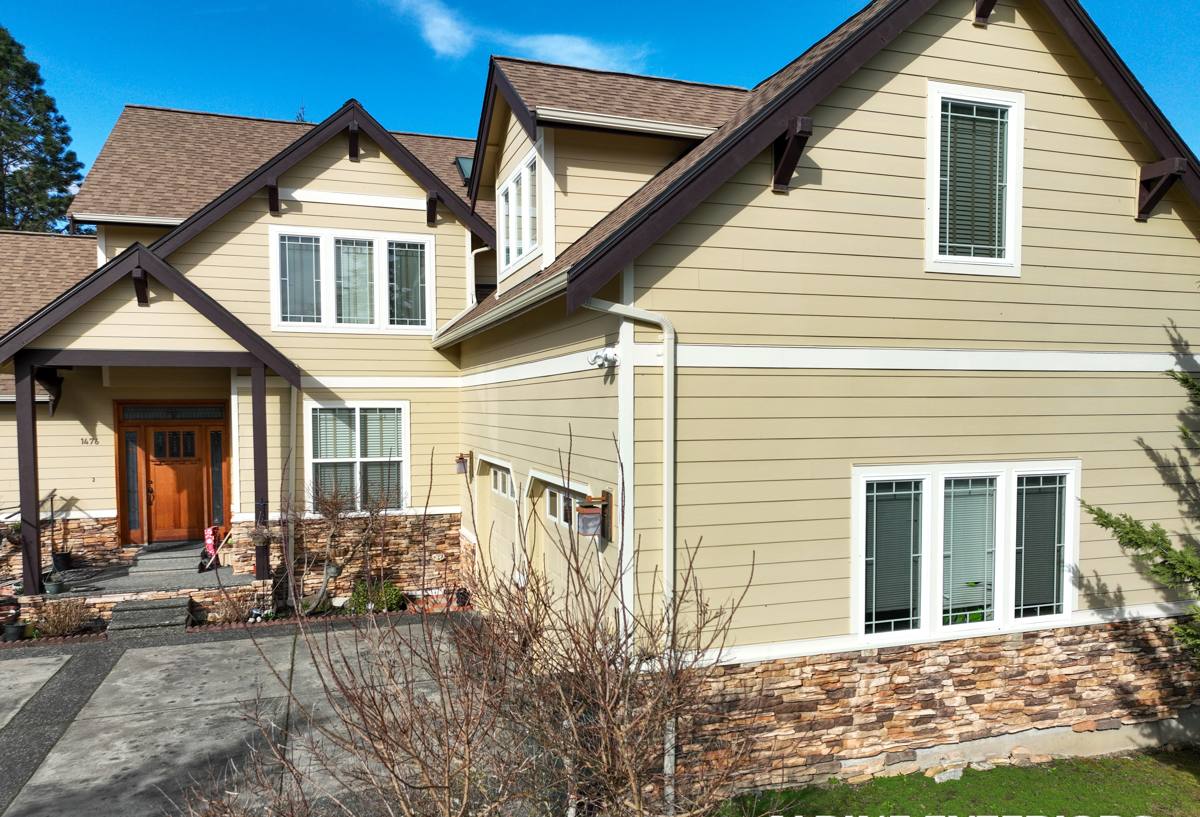
Signs an Ellenton Home Needs a New Roof, Not Another Repair
Not every roof problem calls for full replacement, but there's a point where patching becomes throwing money at a roof that's already lost its structural reliability. Common signs we look for on local homes include:
- Shingles that are curling, cupping, or losing granules in large patches rather than isolated spots
- Multiple past repairs in different areas of the roof, suggesting the underlying material is failing broadly
- Visible sagging in the roof deck, which points to moisture damage underneath the surface layer
- Daylight or water stains visible from inside the attic
- A roof approaching or past the manufacturer's expected service life for our climate, especially if it was installed without hurricane-rated fastening
- Rising insurance premiums or a carrier flagging the roof's age during a policy review
If a roof is showing two or more of these signs, replacement is usually the more cost-effective path over the next five to ten years than continuing to repair it piecemeal.
What a Correct New Roof Installation Actually Involves
Starting With the Deck
Every new roof installation starts with an honest look at the roof deck itself — the plywood or OSB sheathing underneath everything else. In our humid coastal climate, deck rot and delamination are common where old roofs have had slow leaks for years. Installing new roofing over a compromised deck just hides the problem and shortens the life of the new roof. Any soft or damaged sections need to be identified and replaced before anything else goes down.
Underlayment and Water Protection
Given how much wind-driven rain this area sees, underlayment choice and installation matters as much as the visible roofing material. A synthetic or self-adhering underlayment, properly lapped and sealed at every penetration, is what keeps water out when wind pushes rain sideways under the primary roofing layer. This is one of the most commonly rushed steps on lower-quality jobs, and it's usually invisible until a storm exposes the mistake.
Flashing at Every Penetration
Chimneys, vent pipes, skylights, and roof-to-wall transitions are where the vast majority of roof leaks originate — not the open field of the roof. Correctly formed and sealed flashing at each of these points is non-negotiable for a roof expected to hold up to coastal storms.
Fastening for Wind
Florida's building code sets minimum fastening schedules based on wind zone, and Manatee County's coastal exposure puts homes here at the higher end of that range. Nail pattern, nail type, and adhesive strip activation (for shingle roofs) all affect how well a roof resists uplift in high winds. This is also where wind mitigation inspection documentation gets created, which can matter for insurance pricing later.
Ventilation
Intense sun heats attics quickly, and poor ventilation traps that heat along with moisture, accelerating wear on the underside of the new roofing material and raising cooling costs. Balanced intake and exhaust ventilation should be part of the installation plan, not an afterthought.
Roofing Materials: Honest Trade-Offs for This Climate
There's no single "best" roofing material for Ellenton — the right choice depends on the home's structure, budget, and how the owner weighs upfront cost against long-term maintenance. Here's how the common options compare for coastal Manatee County conditions:
| Material | Wind Performance | UV/Sun Durability | Maintenance |
|---|---|---|---|
| Architectural asphalt shingle | Good, with proper high-wind fastening | Moderate — gradual granule loss over time | Low to moderate |
| Concrete or clay tile | Very good when properly fastened | Excellent — minimal UV degradation | Low, but individual tiles can crack from impact |
| Standing seam metal | Excellent | Excellent | Low; watch fastener corrosion near the coast |
| Flat/low-slope membrane (for additions or porches) | Good with correct edge detailing | Moderate; UV-stable membranes last longer | Periodic inspection of seams and drains |
We install what fits the home and the budget — our job is to explain these trade-offs honestly upfront rather than push whatever has the highest margin. For salt-air exposure specifically, fastener and flashing metal type (stainless or coated versus standard galvanized) is worth discussing regardless of which primary material is chosen.
How Our Installation Process Works
- On-site assessment — we inspect the existing roof, deck condition, ventilation, and any problem areas before quoting anything
- Written estimate — material options, scope of work, and timeline laid out clearly, no vague line items
- Permitting — pulling the required Manatee County/local permit and scheduling inspections, handled on our end
- Tear-off and deck inspection — full removal of old roofing, deck repaired or replaced where needed
- Underlayment, flashing, and installation — following manufacturer specs and Florida's high-wind fastening requirements
- Final inspection and cleanup — magnetic sweep for debris, thorough site cleanup, walkthrough with the homeowner
- Documentation — warranty paperwork and wind mitigation documentation provided for insurance purposes
Permits, Wind Mitigation, and Insurance
Florida requires a permit and inspections for roof replacement, and skipping this step — even if a contractor offers to — can cause real problems at resale or with an insurance claim later. A properly permitted and documented installation also generates the paperwork needed for a wind mitigation inspection, which can lower windstorm insurance premiums for homes in this part of the state. We handle the permitting and inspection scheduling as part of the job rather than leaving it to the homeowner to sort out.
What Affects the Cost of a New Roof
| Factor | Why It Matters |
|---|---|
| Roof size and pitch | More surface area and steeper slopes increase material and labor |
| Material selected | Shingle, tile, and metal have different material and installation costs |
| Deck condition | Rot or damage found during tear-off requires repair before installation continues |
| Number of penetrations | More vents, skylights, and chimneys mean more flashing work |
| Layers being removed | Multiple existing layers add to tear-off time and disposal cost |
| Access and site conditions | Landscaping, fencing, or tight access can affect labor time |
We give exact pricing after an on-site assessment, not a phone estimate — roof problems are rarely visible from the ground or from photos alone.
Why It Matters to Hire a Crew That Already Works in Ellenton
A contractor familiar with Ellenton and the surrounding Bradenton area already understands the local permitting process, the wind zone requirements that apply here, and the kind of coastal wear patterns to expect on homes in this location. That familiarity shortens the learning curve on every job — there's less guesswork about what the deck underneath an older roof is likely to look like, and less back-and-forth with local permitting offices. It also means we're a known, reachable business if a question comes up after the job is done, not a crew that worked in the area once and moved on.
After Installation: Keeping a New Roof Performing
- Schedule a visual inspection after major storms, especially anything with sustained high winds
- Keep gutters and downspouts clear so water isn't backing up under roof edges
- Trim overhanging branches that can drop debris or scrape roofing material
- Watch for granule buildup in gutters (shingle roofs) as an early wear indicator
- Have any penetration flashing checked if a leak appears near a vent, chimney, or skylight
- Keep warranty and permit documentation on file for future insurance or resale needs
A correctly installed roof shouldn't need much attention beyond this, but a quick seasonal look costs nothing and catches small issues before they become interior damage.
If your Ellenton home's roof is showing its age or you just want an honest assessment of what shape it's in, we're happy to take a look. Request a free, no-pressure estimate using the form below and we'll walk the roof with you and explain exactly what we find.