 Bradenton Window
 Metal Roofing Built for Parrish, Not Just Installed Here
Parrish has grown fast over the past several years, and a lot of that growth means new roofs going up under conditions that are anything but gentle. Between hurricane-force wind events, punishing year-round UV, wind-driven rain that finds every weak seam, and the salt air drifting in off the Gulf and Tampa Bay, a roof here works harder than a roof almost anywhere else in the country. Metal roofing has become a popular answer for homeowners in this part of Manatee County because, done correctly, it holds up to that combination better than most other roofing materials available today.
This page is specifically about metal roofing for homes in Parrish — what the local climate actually demands from the material, what a correct installation looks like, and why the crew you hire matters as much as the panels you choose.
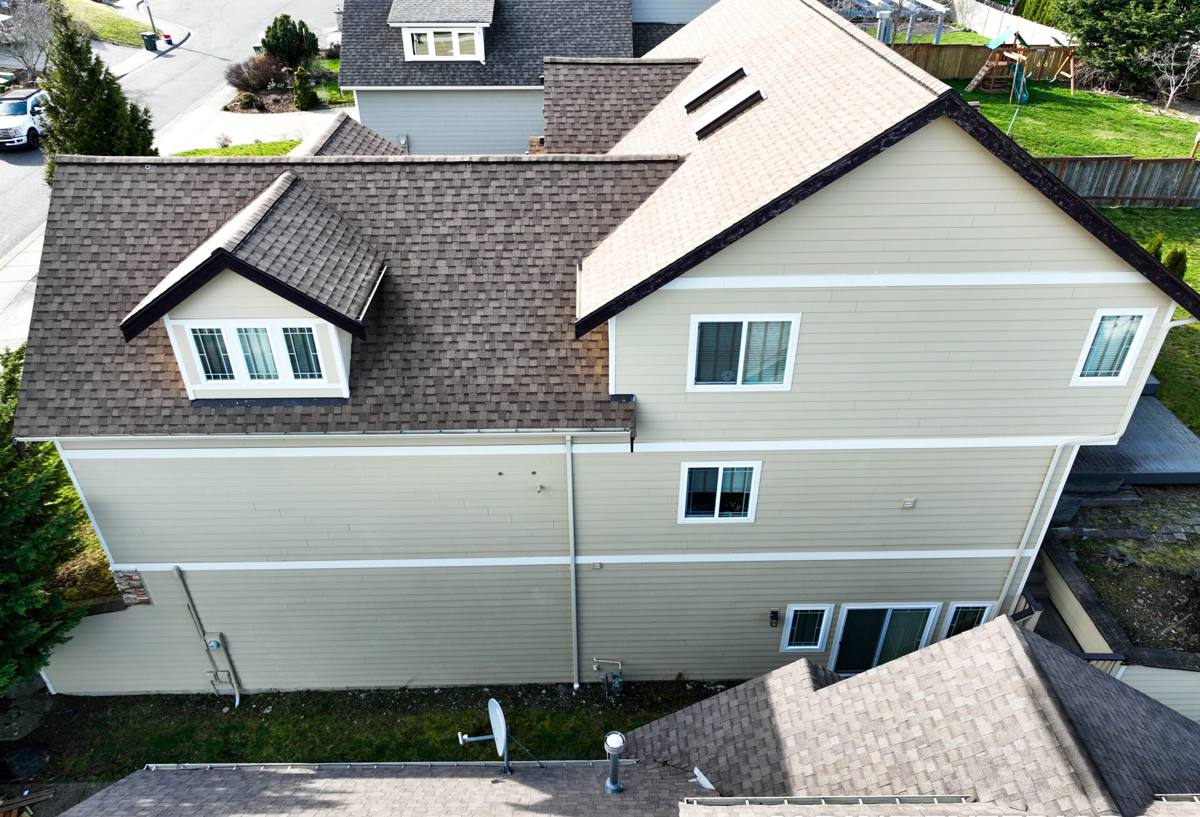
What Parrish's Climate Actually Does to a Roof
It helps to be specific about the stresses a roof in this area faces, because each one points to a different requirement in how the roof gets built.
Wind
Manatee County sits in a wind-exposed part of the state, and Parrish is not sheltered from tropical systems. Roof failures during high wind events almost always start at an edge, a fastener, or a flashing detail — not in the middle of a panel. A metal roof's wind performance depends far more on how it's attached and detailed than on the metal itself.
UV Exposure
Florida sun is intense and constant, and it breaks down roofing materials from the outside in. Coatings and finishes matter here — a poorly finished metal roof can chalk, fade, or degrade faster than the metal underneath actually wears out.
Wind-Driven Rain
Rain that comes in sideways during a storm doesn't behave like rain falling straight down. It gets pushed under laps, around penetrations, and into any gap that a calmer climate roof could get away with. Underlayment and flashing details carry more of the waterproofing burden here than the panels themselves.
Salt Air
Even well inland from the coast, salt-laden air moves through this part of Florida and accelerates corrosion on fasteners, flashing, and lower-grade metals. Material selection and fastener quality matter more here than in a landlocked climate.
Metal Roofing Options for Parrish Homes
Not every metal roofing system is the same product wearing a different name. The panel profile, the metal type, and the finish all affect how the roof performs against the specific stresses described above.
| System Type | Typical Use | Strengths in This Climate | Trade-Offs |
|---|---|---|---|
| Standing seam (concealed fastener) | Most residential roofs, especially where wind resistance matters most | No exposed fasteners to work loose or corrode; strongest wind uplift performance when properly clipped | Higher material and labor cost than exposed-fastener panels |
| Exposed-fastener panel | Budget-conscious projects, some outbuildings | Lower upfront cost, faster installation | Fasteners and washers age faster in salt air and UV; requires more maintenance over time |
| Metal shingle/shake profiles | Homeowners wanting a traditional look with metal's durability | Blends with neighborhood aesthetics while gaining wind and impact resistance | More seams and details than standing seam, so installation quality matters even more |
We steer most Parrish homeowners toward standing seam systems for primary roofs because the concealed fastener design removes the single most common failure point in coastal-adjacent Florida climates: fasteners that back out, corrode, or leak over time. That's a professional recommendation based on maintenance burden and long-term performance, not a claim that other systems are unusable — exposed-fastener panels have their place on outbuildings, sheds, and lower-budget projects where the trade-offs make sense.
What a Correct Metal Roof Installation Actually Involves
The metal panel itself is the part homeowners see, but it's a small part of what actually keeps a roof watertight and wind-resistant. A correct installation in this climate includes:
- Deck inspection and repair — any soft, delaminated, or water-damaged decking gets replaced before anything else happens. Metal panels installed over a compromised deck will fail early no matter how good the panels are.
- Self-adhered underlayment at critical areas — valleys, eaves, and penetrations get a waterproof underlayment layer, not just standard felt, because these are where wind-driven rain intrudes first.
- Proper fastener spacing and clip selection — standing seam clip spacing is engineered to the roof's wind exposure, not applied as a one-size-fits-all pattern.
- Correct flashing at every penetration — vents, chimneys, skylights, and wall transitions are where most metal roof leaks originate, so these details get built up in layers rather than sealed over with caulk alone.
- Ridge and hip ventilation — proper attic ventilation keeps heat and moisture from building up under the panels, protecting both the roof system and the home's energy efficiency.
- Edge and drip metal detailing — roof edges are the highest wind-load area on the entire roof, and they need to be mechanically fastened and sealed to spec.
Fasteners and Hardware Matter More Than People Expect
In a salt-air environment, the fasteners and flashing are often the first components to fail — not the roofing panel. We use corrosion-resistant fastener systems and flashing compatible with the specific metal being installed, since dissimilar metals in contact with each other can cause galvanic corrosion over time. This is a detail that's easy to overlook and expensive to ignore.
How Our Process Works
For a Parrish metal roofing project, our process generally follows the same sequence:
- On-site inspection. We look at the existing roof, deck condition, ventilation, and any problem areas before recommending a system or scope of work.
- Written estimate. You get a clear scope of work and pricing before any commitment — no vague allowances or surprise change orders for work that should have been anticipated.
- Permitting. Roofing work in Manatee County requires permits, and metal roofing in wind-exposed areas typically needs to meet specific wind uplift and product approval requirements. We handle this as part of the project.
- Tear-off and deck prep. Old roofing is removed and the deck is inspected and repaired as needed before any new material goes down.
- Installation. Underlayment, flashing, and panels go in, in that order, with attention to the details that actually determine how the roof performs in a storm.
- Final walkthrough and cleanup. We walk the job with you, confirm everything meets spec, and make sure the property is left clean — including a magnetic sweep for stray fasteners.
Signs Your Parrish Roof May Need Attention
Whether you have an aging shingle roof or an existing metal roof, these are worth a professional look:
- Visible rust streaking or corrosion around fasteners, flashing, or panel edges
- Loose, lifted, or vibrating panels during wind
- Fading or chalking finish that suggests the coating is breaking down
- Water stains on interior ceilings after heavy rain, especially near valleys or penetrations
- Granule loss or curling on an existing shingle roof nearing the end of its service life
- Higher-than-expected cooling bills, which can point to poor attic ventilation under the roof
What Affects the Cost of a Metal Roof in Parrish
| Factor | Why It Matters |
|---|---|
| Panel system (standing seam vs. exposed-fastener) | Standing seam costs more upfront but reduces long-term maintenance and leak risk |
| Roof complexity | More valleys, hips, dormers, and penetrations mean more flashing work and labor time |
| Deck condition | Rotted or damaged decking found during tear-off adds repair cost but is essential to address |
| Metal gauge and coating | Heavier gauge and higher-grade coatings cost more but last longer in UV and salt exposure |
| Roof pitch and access | Steeper or harder-to-access roofs take longer and require more safety setup |
We don't quote off a square-footage rule of thumb alone — the factors above can shift a price meaningfully from one Parrish home to the next, which is why an on-site look matters before any real number gets discussed.
Why Hiring a Crew That Already Works in Parrish Matters
Roofing crews that work regularly in this part of Manatee County already understand the local permitting process, the wind uplift requirements that apply here, and the specific ways Gulf-coast weather stresses a roof over its lifespan. That local familiarity shows up in details a homeowner might never think to ask about — how flashing is layered at a wall transition, which fastener coatings hold up against salt air, how ventilation is balanced for Florida humidity.
It also matters for accountability. A local, established crew is the one you can call back if a question comes up two years down the road — not a name that shows up after a storm and disappears once the check clears. We stand behind the work we do in this community because it's the community we live and work in too.
Maintenance and Long-Term Performance
A well-installed metal roof needs relatively little upkeep, but "little" isn't "none." We recommend periodic visual inspections — especially after major storms — to check for loose fasteners, debris buildup in valleys, or any flashing that's come loose. Keeping gutters clear and trimming back overhanging branches also helps reduce the debris and moisture load a roof deals with over time. Most manufacturer warranties on finish and material remain valid as long as basic maintenance is kept up, so it's worth asking about those terms up front rather than after a problem shows up.
If you're weighing a metal roof for your Parrish home, we're happy to take a look and walk you through what your specific roof needs — no pressure, no pushy sales pitch. Fill out the form below to request a free estimate.