 Bradenton Window
 Roof Repair Built for Parrish's Climate
Parrish sits inland from the Gulf but still takes the full brunt of Manatee County's weather — hurricane-force winds during storm season, intense year-round UV exposure, wind-driven rain that finds every weak seam, and salt-laden air that works its way into fasteners and flashing even miles from the water. A roof here doesn't fail all at once. It fails a little at a time: a lifted shingle tab here, a cracked pipe boot there, a nail that backs out after enough thermal cycling. By the time a homeowner sees a stain on the ceiling, the roof has usually been letting water in for months.
Roof repair in this area isn't a generic fix. It's a response to a specific set of stresses — heat, UV, wind uplift, and moisture — that hit Parrish roofs harder and more often than roofs in milder climates. Doing it right means understanding how those stresses show up on a roof and addressing the actual cause, not just the symptom.
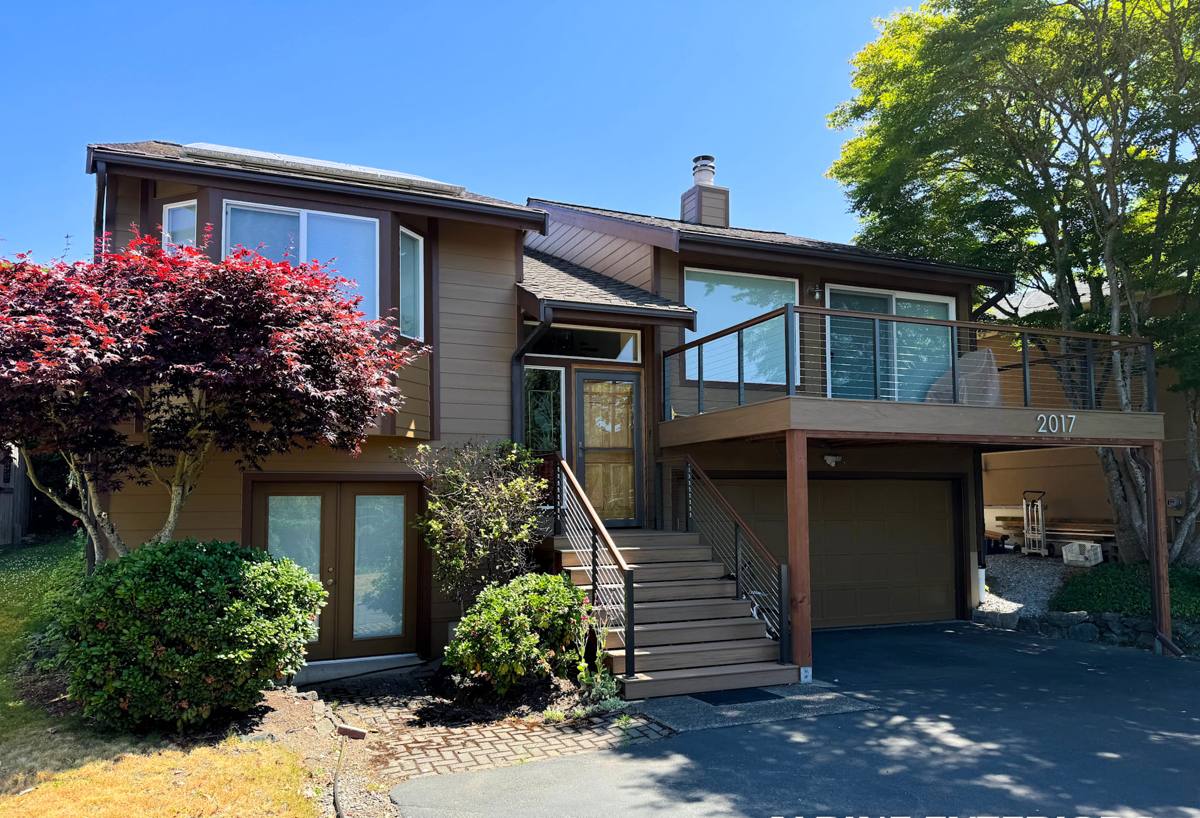
What Damages Roofs in This Area
Wind and Uplift
Even storms that don't reach hurricane strength can generate gusts strong enough to lift shingle edges, loosen ridge caps, and stress flashing at roof-to-wall transitions. Once a shingle's seal is broken, it doesn't always blow off — it just stops doing its job, and every rain after that has a way in.
UV and Heat Cycling
Florida sun breaks down asphalt shingles from the top and bakes underlayment from beneath. Roofing materials expand and contract daily, which loosens fasteners over years and makes sealant strips brittle well before a shingle looks visibly worn.
Wind-Driven Rain
Rain that comes in sideways during a storm can push water uphill under shingles, through poorly sealed flashing, and around vent boots — places that would never leak in a straight-down rain. This is why leaks often appear only during specific storm conditions and seem to "come and go."
Salt Air and Corrosion
Even inland communities like Parrish get salt-laden air carried off the Gulf. Over time it accelerates corrosion on exposed metal — flashing, fasteners, vent stacks, and gutter hardware — which is often the actual point of failure behind a roof leak, not the shingles themselves.
Common Roof Repair Calls We See in Parrish
- Lifted or missing shingles after a wind event, with exposed underlayment underneath
- Cracked or dried-out pipe boots letting water track down into the attic
- Corroded or loose flashing at chimneys, walls, and roof valleys
- Nail pops that work their way back up through the shingle surface
- Soft spots in the decking from a slow leak that went unnoticed
- Granule loss on aging shingles, leaving the surface exposed to direct UV
- Clogged or damaged gutters causing water to back up under the roof edge
What a Correct Repair Actually Involves
A roof repair that holds up in this climate has to go past patching the visible problem. We start by finding the actual source of the leak — which is often several feet away from where the stain shows up inside, since water travels along decking and framing before it drips through. Chasing the stain instead of the entry point is one of the most common reasons repairs fail to hold.
From there, a proper repair means:
- Removing and replacing damaged shingles rather than sealing over them
- Checking the decking underneath for soft spots or rot before closing it back up
- Replacing cracked pipe boots and worn flashing instead of caulking over the gap
- Matching shingle color and profile as closely as possible so the repair doesn't stand out
- Re-securing loose fasteners to current wind-resistance standards, not just where they popped
- Confirming the repair area drains correctly and doesn't create a new low spot
Skipping any of these steps might stop a leak for a season, but it usually just delays the next call — and lets hidden moisture keep working on the decking underneath.
Our Repair Process
1. Inspection
We look at the whole roof, not just the spot you're worried about. A leak in one area is often a sign of general wear that's about to show up elsewhere, especially on roofs that have taken a few storm seasons of wind and UV exposure.
2. Honest Assessment
We'll tell you plainly whether it's a straightforward repair, a larger repair covering a section of the roof, or a case where repair costs are starting to approach what a partial or full replacement would run. We'd rather tell you the truth than talk you into a fix that won't last.
3. The Repair Itself
Work is done to match your existing roofing material as closely as available product allows, with attention to how the repaired section will perform in the next windstorm — not just how it looks the day we finish.
4. Cleanup and Walkthrough
We clear debris and old material, then walk the repair with you so you know exactly what was done and why.
Repair vs. Replacement: How to Tell
| Situation | Usually a Repair | Usually Replacement Territory |
|---|---|---|
| Roof age | Under 15 years, isolated damage | Nearing or past expected lifespan |
| Damage extent | One area or a handful of shingles | Widespread granule loss or multiple leak points |
| Decking condition | Solid, no rot found | Soft or rotted decking in several spots |
| Storm history | Single recent wind event | Cumulative damage from several storm seasons |
| Insurance situation | Minor claim or out-of-pocket | Total loss or major wind/hail claim |
These are general guidelines, not hard rules — every roof is different, and the only way to know for sure is an actual inspection.
What Roof Repair Typically Costs
Repair costs vary based on the size of the damaged area, the roofing material, roof pitch and accessibility, and whether decking or flashing needs to be replaced along with the shingles. A small, single-area repair is usually a modest cost; repairs involving decking replacement or extensive flashing work cost more because of the added labor and material. We provide a written estimate before any work starts, so there are no surprises once we're on the roof.
Factors That Affect Your Repair Cost
- Size and number of areas needing repair
- Roofing material — asphalt shingle, tile, or metal
- Roof pitch and how accessible the damaged area is
- Whether decking underneath needs to be replaced
- Condition of flashing, vent boots, and other roof penetrations
- How closely available materials match your existing roof
Roofing Materials We Work With
Most homes in the Parrish area are roofed in asphalt shingles, with some tile and metal roofs mixed in, especially on newer construction. Our approach to repair is the same regardless of material: fix the actual cause of the problem, use materials rated for local wind and moisture conditions, and match the existing roof as closely as possible rather than creating a visible patchwork. For any roofing system, our standard is to prioritize long-term moisture performance over the fastest or cheapest fix — a repair that traps moisture under the surface can cause more damage than the original leak.
Why a Local Parrish Crew Matters
A crew that already works in and around Parrish knows what the local building and climate conditions actually demand — the kind of wind exposure a given neighborhood sees, how quickly UV wears down materials here compared to other regions, and what county permitting looks like when a repair crosses into replacement territory. That familiarity means fewer surprises, faster scheduling when storm damage hits multiple homes at once, and a crew that's easy to reach if a repair needs a follow-up visit. Roofing is not a one-size-fits-all trade, and a contractor unfamiliar with Manatee County's climate and building requirements is more likely to miss the details that matter here.
Simple Roof Maintenance Between Repairs
A few habits go a long way toward catching problems before they become leaks:
- Walk your property after major storms and look for shingles on the ground or visibly out of place
- Keep gutters clear so water isn't backing up under the roof edge
- Trim back tree limbs that overhang the roof, which cause abrasion in wind
- Check attic spaces periodically for water stains, especially after heavy rain
- Have the roof looked at professionally every couple of years, not just after visible damage appears
If you're seeing signs of roof trouble — or just want a professional set of eyes on it before the next storm season — we're happy to take a look. Fill out the form below for a free, no-pressure estimate.