 Bradenton Window
 Siding Replacement in Samoset: Built for Manatee County's Climate
Samoset sits in the heart of Bradenton, close enough to Tampa Bay and the Gulf that salt-laden air, wind-driven rain, and hurricane-strength gusts are simply part of owning a home here. Add in Florida's relentless year-round UV load, and it's easy to see why siding in this part of Manatee County ages faster than the same product would in a drier, cooler climate. A siding replacement here isn't just a cosmetic upgrade — it's a chance to correct whatever weakness let the weather in the first time, and to install something engineered to actually hold up to it.
We work Samoset and the surrounding Bradenton neighborhoods regularly, which means we already know what tends to fail on homes in this exact area and why. That local pattern recognition matters more than most homeowners realize when it comes time to choose a contractor and a product.
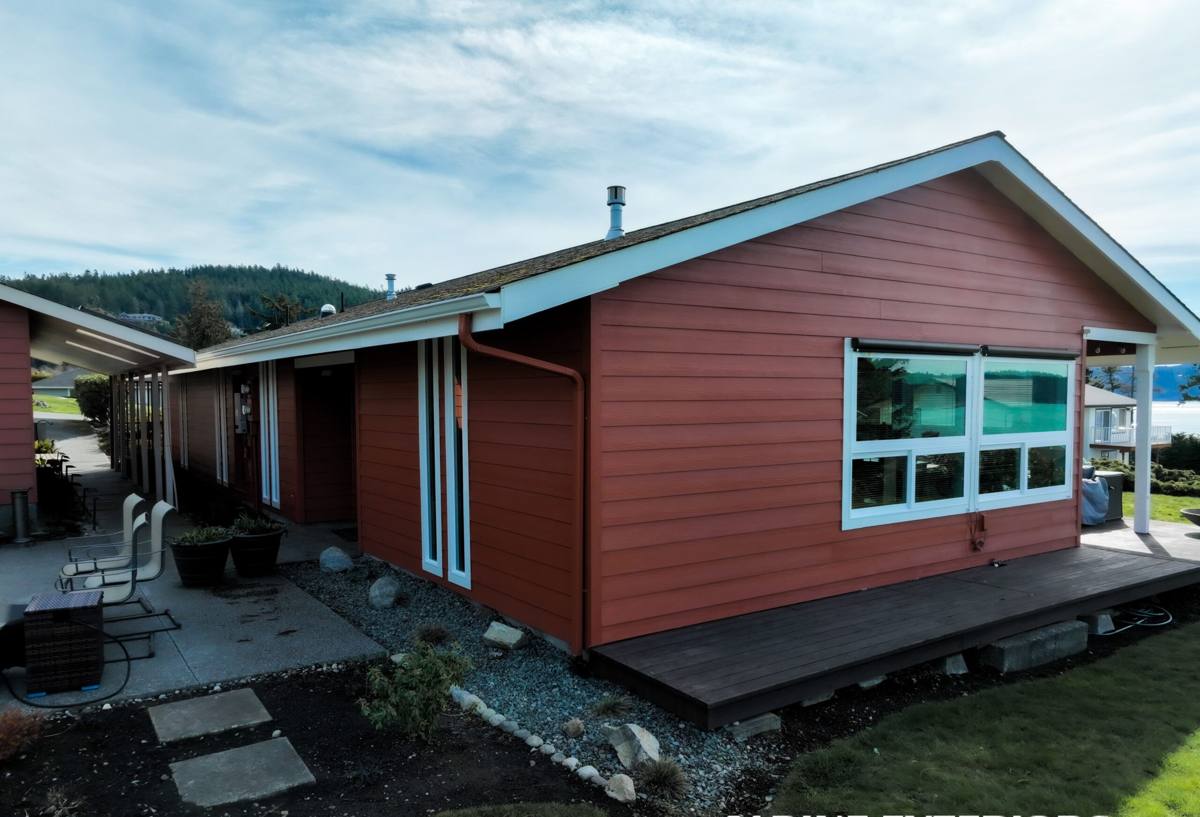
What Samoset's Climate Does to Siding
Every siding material eventually shows wear, but the speed and pattern of that wear depends heavily on local exposure. In Samoset, four climate factors do most of the damage:
- Hurricane-force wind: Even homes that never take a direct hurricane hit still see repeated tropical-storm-strength gusts over the years. Wind gets under loose panels, works fasteners free, and turns small gaps into open seams.
- Wind-driven rain: Bradenton's storms rarely fall straight down. Rain gets pushed sideways into laps, seams, and trim joints, which is exactly where inferior siding systems start absorbing moisture they were never designed to shed.
- Intense, near-constant UV: Florida sun is stronger and more consistent than almost anywhere else in the continental U.S. UV breaks down paint film, softens caulk, and fades color on cheaper siding well before the material itself is due for replacement.
- Salt air: Samoset's proximity to Tampa Bay means airborne salt settles on exterior surfaces even without a direct waterfront view. Salt accelerates corrosion of fasteners and trim, and it degrades certain coatings faster than inland exposure would.
None of these factors act alone — it's the combination, repeated year after year, that separates siding that lasts three decades from siding that needs attention in five or ten.
Signs Samoset Homeowners Should Watch For
If your current siding shows any of the following, it's worth having it evaluated rather than waiting:
- Visible warping, buckling, or panels that have pulled away from the wall line
- Soft spots or spongy areas, especially near the bottom courses or around windows and doors
- Paint that's peeling, chalking, or fading unevenly across different sides of the house
- Cracked or missing caulk at seams, corners, and trim joints
- Visible mold, mildew, or dark streaking that keeps returning after cleaning
- Rising energy bills that suggest the wall assembly is no longer doing its job
Why We Only Install James Hardie Fiber Cement
We made a standard-issue decision a long time ago: this company installs James Hardie fiber cement siding and nothing else. Not vinyl, not LP SmartSide, not Cemplank or Allura, not primed wood. That's not a marketing angle — it's a professional judgment call based on what actually performs in a climate like Manatee County's.
Vinyl siding can warp and distort in prolonged high heat, and its seams and fastening system aren't built to shrug off hurricane-category wind the way a properly installed fiber cement system can. Wood-based and engineered-wood products are more sensitive to moisture intrusion — if wind-driven rain finds a gap, those substrates can swell, soften, or delap in ways that are expensive to catch early and worse to catch late. Other fiber cement brands may be reasonable products, but we've standardized on one system, one set of installation specs, and one warranty structure so every crew installs it exactly the same way, every time.
James Hardie fiber cement is non-combustible, dimensionally stable in heat and humidity swings, and available in HZ5 formulations engineered specifically for high-wind, high-moisture climate zones like ours. The factory-applied ColorPlus finish is baked on under controlled conditions, which gives it far better UV and fade resistance than field-applied paint — a real advantage under Bradenton sun. Backed by a strong transferable warranty when installed to spec, it's the product we're comfortable standing behind on a Samoset home for the long haul.
How James Hardie Compares to What We Won't Install
| Factor | James Hardie Fiber Cement | Vinyl / Engineered Wood |
|---|---|---|
| Wind performance | HZ5 lines engineered for high-wind zones | Varies; seams and panels more prone to lifting |
| Moisture behavior | Dimensionally stable, resists swelling | Wood-based products can swell or soften if compromised |
| UV/fade resistance | Factory ColorPlus finish, baked-on | Field-applied paint fades and chalks faster under FL sun |
| Fire behavior | Non-combustible | Combustible (vinyl and wood-based) |
| Salt air durability | Engineered for coastal exposure | Corrosion and coating breakdown more likely over time |
| Warranty | Strong, transferable when installed to spec | Varies by manufacturer, often shorter or more limited |
What a Correct Siding Replacement Actually Involves
Siding replacement is not a cladding swap — the finished look depends entirely on what happens underneath it. In a climate that pushes wind-driven rain sideways into every seam, the assembly behind the siding matters as much as the siding itself.
The Steps That Actually Protect the Home
- Full tear-off and inspection: Removing the old siding lets us see the sheathing underneath — rot, soft spots, or prior water damage need to be addressed before anything new goes on, not covered up.
- Sheathing repair as needed: Any compromised sheathing is replaced. Installing new siding over damaged substrate just locks the problem in.
- Weather-resistive barrier: A properly lapped and sealed house wrap is installed as the home's real moisture line of defense, with correct integration at windows, doors, and penetrations.
- Flashing at every penetration: Windows, doors, hose bibs, vents, and electrical penetrations all need proper flashing so wind-driven rain has nowhere to enter behind the cladding.
- Correct fastening per Hardie spec: Fastener type, spacing, and penetration depth are dictated by the manufacturer's installation guide and by local wind-zone requirements — this is where a lot of failures on other jobs originate.
- Proper joint and seam treatment: Butt joints, corners, and trim intersections are treated to shed water rather than trap it.
- Final trim, caulking, and paint touch-up: ColorPlus panels need minimal field painting, but factory-matched touch-up at cut edges and fasteners keeps the finish consistent.
Skipping or rushing any one of these steps is usually invisible on installation day and obvious three to five years later, once wind and rain have had time to find the gap.
Our Process for Samoset Homeowners
We keep the process straightforward because a siding replacement is disruptive enough without added confusion:
- On-site evaluation: We walk the exterior, check current siding condition, and look at sheathing access points to flag likely repair needs before work starts.
- Written scope and product selection: We go over the Hardie product line, profile, and color options that fit the home, along with a clear, itemized scope of work.
- Scheduling around Florida weather: Wind-driven rain doesn't wait for a convenient day — we plan tear-off and dry-in stages to minimize the window when a home is exposed.
- Installation to manufacturer and wind-zone spec: Every fastener, flashing detail, and seam follows the same standard, regardless of which crew is on site.
- Final walkthrough: We review the finished work with the homeowner before calling the job complete.
Cost Factors Homeowners in Samoset Should Understand
Every home is different, so we don't quote pricing sight-unseen, but the main variables that drive cost are consistent:
| Factor | Why It Affects Cost |
|---|---|
| Home size and wall complexity | More square footage and more corners, gables, and trim details mean more labor and material |
| Sheathing condition | Rot or water damage found during tear-off requires repair before new siding goes on |
| Siding profile and color | Lap width, shingle-style panels, and premium ColorPlus colors carry different material costs |
| Trim and accessory scope | Fascia, soffit, and trim replacement alongside siding adds to the overall project |
| Access and site conditions | Two-story sections, tight lot lines, or landscaping can affect labor time |
We provide a detailed, itemized estimate after the on-site evaluation so there's no guessing about what's included.
Why Local Experience in Samoset Matters
A crew that already works Bradenton neighborhoods like Samoset understands the wind exposure, humidity patterns, and salt air conditions specific to this part of Manatee County — not generic Florida conditions, but this stretch of the Gulf Coast specifically. That local familiarity shapes practical decisions: which flashing details need extra attention given prevailing wind direction, how much drying time to plan for between tear-off and dry-in during our wetter months, and which fastening approach holds up best against repeated tropical-storm-force gusts. It also means we're accountable in a community we already have a track record in, not passing through for a single job.
Get a Free, No-Pressure Estimate
If your Samoset home's siding is showing its age — or you just want a straight answer about whether repair or full replacement makes more sense — we're happy to take a look. Fill out the form below to schedule a free, no-pressure estimate and get a clear, itemized picture of what correct siding replacement would involve for your home.