 Bradenton Window
 Why Siding Repair Is Different on Bradenton Beach
Bradenton Beach sits on the barrier island coastline of Manatee County, and that location changes what "siding repair" actually means. A home a few miles inland deals with sun and the occasional storm. A home on the island deals with all of that plus constant salt-laden air, wind-driven rain that gets pushed sideways into every seam and joint, and gusts that regularly reach hurricane force during the season. Siding here doesn't fail because it's old — it fails because it was never detailed for these specific conditions, or because a prior repair patched the symptom instead of the cause.
That distinction matters. A repair that looks fine from the ground can still be trapping moisture behind it, corroding fasteners, or leaving a seam open to the next wind-driven rain event. Doing this work correctly on Bradenton Beach means understanding how salt air, UV, and storm wind actually attack a wall system, not just matching paint color and calling it done.
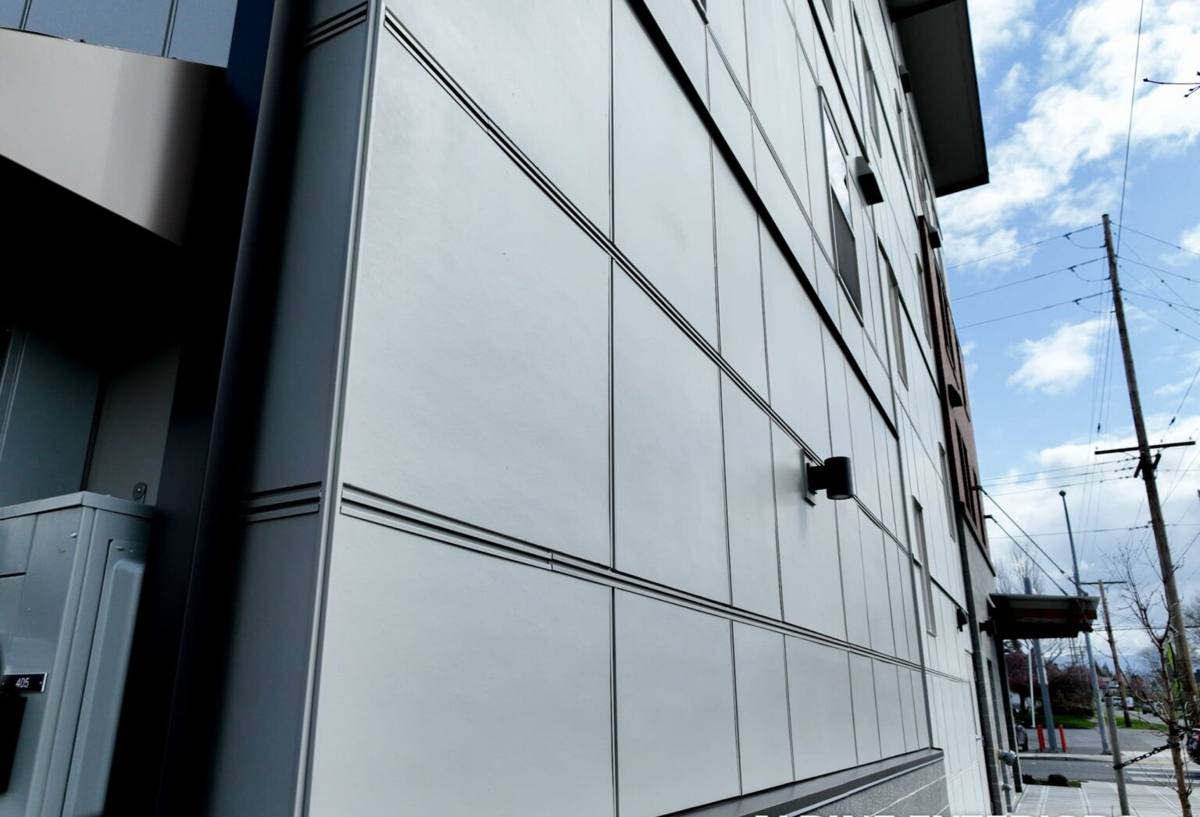
Common Siding Damage We See in Bradenton Beach Homes
Wind and Storm Damage
High wind doesn't just rip panels off — it works siding loose at the edges first, flexing panels and stressing fasteners until a section finally lets go or a seam opens enough to let water behind it. On barrier island homes, we see this most often at corners, around window and door trim, and at the bottom courses closest to grade, where wind uplift and wind-driven rain both concentrate.
Moisture and Rot Behind the Surface
Wind-driven rain finds any gap in flashing, caulking, or panel overlap and drives water behind the siding rather than letting it run off the surface. Once moisture is trapped against sheathing or framing, the damage often isn't visible until it's advanced — soft spots, staining, or a section of siding that feels spongy when pressed are all signs the problem is deeper than the surface.
Sun and UV Breakdown
Florida's year-round UV exposure is intense, and siding that isn't engineered for it will chalk, fade unevenly, or become brittle over time. Cracking and warping show up first on south- and west-facing walls, which take the most direct sun through the day.
Salt Air Corrosion
Salt air accelerates corrosion of fasteners, trim pieces, and any metal flashing or hardware integrated into the siding system. A repair that reuses corroded fasteners or skips corrosion-resistant hardware is a repair that's already counting down to its next failure.
What a Correct Repair Actually Involves
Diagnosing the Real Cause First
Before any panel comes off, the job is to figure out why that section failed. Was it a flashing detail that was never sealed correctly? A fastener pattern that couldn't hold against wind uplift? A drainage path that lets water sit against the wall? Replacing a damaged panel without addressing the underlying cause just resets the clock on the same failure.
Matching Materials Correctly
Patch repairs done with mismatched material — different thickness, different texture, or a different product entirely — rarely perform as a system. Siding is designed to work as an assembly: panel, fastener, flashing, and sealant all need to be compatible and installed to the same standard, or the repair becomes the weak point in the wall.
Sealing and Flashing Details
Most siding failures on the coast trace back to a flashing or sealant detail, not the panel material itself. Correct repair work means re-establishing proper water管理 — flashing above openings, correct overlap and shingling of courses so water sheds outward, and sealant used only where it belongs rather than as a substitute for proper flashing.
Repair vs. Replacement: How We Decide
Not every damaged section needs a full re-side, and not every home is a good candidate for a simple patch. We look at the extent of the damage, what's happening behind the siding, and the age and condition of the rest of the system before recommending either path.
| Factor | Repair Is Usually Sufficient | Replacement Is Usually Recommended |
|---|---|---|
| Extent of damage | Isolated to one or two sections | Spread across multiple walls or elevations |
| Moisture behind siding | None found on inspection | Rot or sustained moisture intrusion present |
| Age of existing siding | Relatively recent, still performing well elsewhere | Near or past its realistic service life |
| Material availability | Matching product/color still obtainable | Original product discontinued or mismatched |
| Storm exposure history | First significant damage event | Repeated damage in the same areas |
When damage is contained and the rest of the wall system is sound, a targeted repair is the honest recommendation — there's no reason to sell a homeowner a full replacement they don't need. When the damage points to a systemic problem, we say so plainly and explain why.
Why Material Choice Matters for Repair Work
We install and repair exclusively with James Hardie fiber cement siding. That's a deliberate standard, not a default. Fiber cement is non-combustible, holds up to wind-driven rain without swelling or warping, and Hardie's ColorPlus factory-applied finish is engineered to resist the fading and chalking that intense Florida UV causes in lesser finishes. For repair work specifically, that consistency matters — a patched section needs to perform the same as the surrounding panels for years, not just match on installation day.
We don't perform repairs using vinyl, LP SmartSide, primed wood, or cedar as a substitute material, even for a quick fix. Each of those products carries its own maintenance burden or moisture sensitivity that doesn't hold up the same way on an exposed barrier island wall, and mixing materials on one home creates uneven performance and appearance down the line. When a repair calls for new material, we use Hardie's HZ5 product line, engineered specifically for high-humidity, storm-prone climates like this one, so the patched section ages the same way as the rest of the wall.
Our Siding Repair Process
Every repair call on Bradenton Beach follows the same disciplined process, whether it's a single panel or a whole elevation:
- On-site inspection of the damaged area and the surrounding wall system, including a check behind accessible panels for hidden moisture
- Identification of the root cause — wind, flashing failure, fastener failure, or moisture intrusion
- Honest recommendation: targeted repair, or replacement if the damage points to a bigger problem
- Removal of damaged material and any compromised sheathing or framing underneath
- Correct re-installation of flashing, drainage details, and fasteners rated for coastal wind exposure
- Color and profile matching using James Hardie ColorPlus products so the repair blends with existing siding
- Final walk-through so the homeowner understands what was found and what was done
Why Hiring a Crew That Already Works Bradenton Beach Matters
Siding repair on a barrier island isn't the same trade as siding repair three towns inland. A crew that regularly works Bradenton Beach already understands the wind exposure categories that apply to this stretch of Manatee County, knows what permitting and inspection expect for exterior work here, and has seen firsthand how salt air and storm wind actually damage a wall over time — not just in theory. That local track record shows up in faster, more accurate diagnosis and repair details that are built for this specific environment instead of a generic approach borrowed from inland work.
It also matters for response time. Storm damage on the coast often needs attention quickly to prevent a small problem from becoming a bigger one before the next weather event. A crew already familiar with the area can assess and stabilize damage faster than one starting from scratch.
Maintaining Your Siding After a Repair
A correct repair should last, but coastal conditions mean siding of any material benefits from routine attention. A few habits go a long way on Bradenton Beach specifically:
- Rinse salt residue off exterior walls periodically, especially after storms or extended dry, windy stretches
- Walk the exterior after any significant wind event to check for loosened panels, trim, or open seams
- Keep an eye on caulking and sealant joints around windows, doors, and trim, since these are the first line of defense against wind-driven rain
- Address small issues — a loose panel, a cracked piece of trim — before the next storm season rather than after
If you're dealing with storm damage, sun-worn siding, or a past repair that never quite held up on your Bradenton Beach home, we're happy to take a look. Request a free, no-pressure estimate using the form below and we'll give you an honest read on what your siding actually needs.