 Bradenton Window
 Siding Installation in Southgate: Built for Bradenton's Climate, Not Just the Job Site
Southgate is one of Bradenton's older, established residential pockets — mature tree canopy, a mix of ranch homes and ranch-with-additions, and housing stock that spans several decades of Florida construction styles. That mix matters when it comes to siding. A lot of these homes were built or resided before the current generation of climate-engineered materials existed, which means a large share of what's on the walls in Southgate right now was never designed for what Manatee County actually throws at a house year after year.
We install siding across the Bradenton area, and Southgate specifically comes with a recognizable set of conditions: closer proximity to Sarasota Bay and the Gulf means more salt-laden air moving through the neighborhood, mature landscaping holds humidity against exterior walls longer after rain, and the same wind-driven storms that hit the rest of the county hit here too. None of that is unique to Southgate — but it's exactly why a generic siding job, done without local knowledge, tends to underperform here faster than it would somewhere drier and further inland.
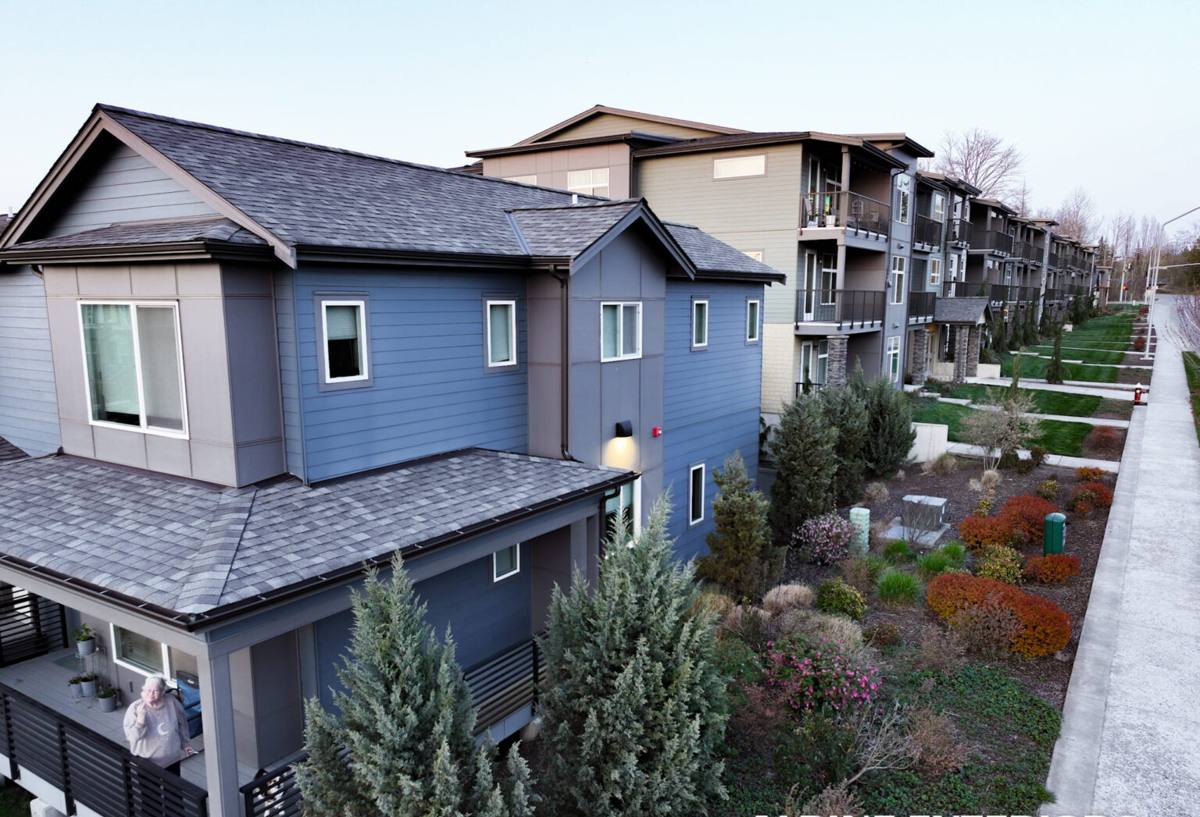
What Southgate Homes Actually Need From Their Siding
Before we talk installation, it's worth being specific about what "correct" siding means in this neighborhood, because it's not the same checklist you'd use in a dry, inland climate.
Salt Air and Moisture Exposure
Southgate's location relative to the bay puts homes in the path of salt-carrying air more often than neighborhoods further from the water. Salt is corrosive to fasteners and trim, and it accelerates the breakdown of siding materials that aren't formulated to resist it. Combined with Bradenton's humidity, any siding product with a wood or wood-fiber core that isn't properly sealed and maintained is fighting a losing battle from day one.
UV Exposure and Fading
Florida sun is relentless, and it's not seasonal here — it's a twelve-month load on paint and factory finishes. Cheaper coatings chalk, fade unevenly, and need repainting on a cycle most homeowners find frustrating. Siding on south- and west-facing walls in Southgate takes the worst of it.
Wind-Driven Rain and Storm Load
Southgate isn't exempt from the tropical storm and hurricane risk that the rest of Manatee County plans around. Wind-driven rain finds every gap in a poorly installed siding system, and high wind uplift finds every improperly fastened panel. The installation details — fastener pattern, panel overlap, flashing at penetrations — matter as much as the material itself.
Pest and Rot Pressure
Humidity and mature landscaping create ongoing conditions for wood-destroying organisms. Any siding with an exposed wood or organic core is a potential food source and moisture trap if it's not detailed correctly at the joints and bottom edge.
Why We Only Install James Hardie Fiber Cement
We install exclusively James Hardie fiber cement siding — not vinyl, not LP SmartSide, not Cemplank, Allura, or primed wood products. That's a deliberate standard, not a sales preference, and it comes directly out of what we've seen these climate conditions do to lesser-suited materials over time.
Fiber cement is non-combustible and doesn't have an organic core for moisture or pests to exploit. James Hardie's HZ5 product line is specifically engineered for high-humidity, high-moisture climates like ours, and the factory-applied ColorPlus finish is baked on under controlled conditions — it resists the fading and chalking that field-applied paint struggles with under constant Florida UV. It also carries a strong transferable warranty, which matters more in a market like Southgate where homes do change hands.
We're not going to tell you other products are junk — vinyl has its place, and engineered wood siding has genuine advantages in the right climate. But we've made a professional call: in Bradenton's combination of salt air, sun, humidity, and storm risk, fiber cement is the material that holds up with the least maintenance and the fewest callbacks. That's the standard we put our name behind.
What a Correct Siding Installation Involves
The material is only half the equation. A James Hardie installation done to spec involves a specific sequence, and skipping steps is where most siding failures actually originate — not from the product itself.
- Full removal of old siding and inspection of the sheathing underneath for rot, moisture damage, or pest activity before anything new goes on
- Repair or replacement of any compromised sheathing — covering over a damaged wall is the single most common shortcut that causes problems later
- Installation of a code-compliant weather-resistive barrier (housewrap) as the primary drainage plane behind the siding
- Correct flashing at every window, door, and penetration so wind-driven rain has nowhere to enter
- Fastening per James Hardie's published installation guidelines — proper nail type, placement, and spacing for our wind zone
- Proper clearance at the bottom edge of the siding from grade, patios, and roof lines to prevent standing moisture contact
- Caulking and sealing at trim and joints using products compatible with the ColorPlus finish
- Final inspection of panel alignment, fastener pattern, and sealed penetrations before cleanup
Any one of these steps done wrong shows up eventually — as a stain, a soft spot, a section that comes loose in the next storm. It's rarely the material's fault when siding fails early; it's almost always an installation shortcut.
Our Process for Southgate Projects
1. On-Site Assessment
We walk the property, look at the current siding condition, check for signs of existing moisture or pest damage, and note anything specific to the home's exposure — corner lots, tree cover, low clearance areas, and so on.
2. Detailed Written Estimate
You get a clear scope of work, product line and color selection, and a price — no vague allowances that turn into surprise change orders mid-project.
3. Tear-Off and Sheathing Inspection
Old siding comes off, and we inspect the wall assembly before anything new goes up. If we find rot or damage, we tell you before we cover it, not after.
4. Installation to Manufacturer Spec
James Hardie panels, trim, and accessories go on following the manufacturer's installation guidelines for our wind and moisture zone, not generic best-effort methods.
5. Final Walkthrough
We review the finished work with you, check for any punch-list items, and make sure you understand the maintenance-free basics of your new siding.
Cost Factors for Southgate Siding Projects
Every home is different, and the honest answer to "what will this cost" depends on the variables below. We don't quote made-up per-square-foot numbers on a page that hasn't seen your house — but here's what actually moves the price.
| Factor | Why It Matters |
|---|---|
| Home size and wall complexity | More square footage and more corners, gables, and trim details mean more material and labor |
| Existing sheathing condition | Rot or moisture damage found during tear-off requires repair before new siding goes on |
| Product line and profile | James Hardie offers multiple plank profiles, textures, and the HZ product tier suited to our climate |
| Color selection | Factory ColorPlus finishes vary in price by color depth and formulation |
| Trim and accessory scope | Corner boards, window trim, and soffit work add labor and material beyond the flat wall area |
| Site access | Mature landscaping, fencing, or tight lot lines in older neighborhoods like Southgate can affect labor time |
Why Local Installation Experience Matters
A crew that regularly works Bradenton and Manatee County neighborhoods already knows the practical realities: what the local wind exposure requires, how humidity affects cure times and sealant choices, and what older Southgate-era construction tends to look like underneath the existing siding. That's not something you get from a crew parachuting in from another market for one job. We're not guessing at wind zone requirements or moisture behavior — we deal with the same conditions on every project in this area.
It also means we're accountable locally. If something needs attention after the job is done, we're not a phone number in another state — we're working in this same market on an ongoing basis.
Signs Your Southgate Home May Need New Siding
- Visible warping, buckling, or soft spots when pressed
- Persistent staining or streaking that repainting doesn't fix for long
- Increasing energy bills that suggest the wall assembly is no longer sealing properly
- Peeling or bubbling paint that keeps recurring after repainting
- Visible gaps, cracks, or separation at seams and trim
- Any sign of pest activity or soft, spongy material at the base of the walls
If you're seeing any of these on a Southgate home, it's worth having it looked at before the next storm season adds to the damage rather than after.
If you're weighing a siding replacement in Southgate, we're happy to take a look at your home, walk you through what we find, and put together a straightforward, no-pressure estimate. There's a form below — reach out and we'll schedule a time to come take a look.