 Bradenton Window
 Why Whitfield Estates Homes Need Siding That's Built for This Climate
Whitfield Estates sits close enough to the water that salt air is a daily fact of life, not an occasional nuisance. Add in Manatee County's intense year-round sun, the wind-driven rain that comes with Gulf Coast storm season, and the occasional hurricane-force gust, and you've got a combination that wears down exterior siding faster than almost anywhere else in the country. None of these forces act alone — they compound. UV breaks down surface coatings, salt air accelerates corrosion and moisture intrusion at every seam and fastener, and wind-driven rain finds its way into any gap the sun and salt have already opened up.
That's the backdrop for every siding decision a Whitfield Estates homeowner makes. This page is about one job, done right, in this one neighborhood: fiber cement siding installation that's actually engineered for what this climate throws at it.
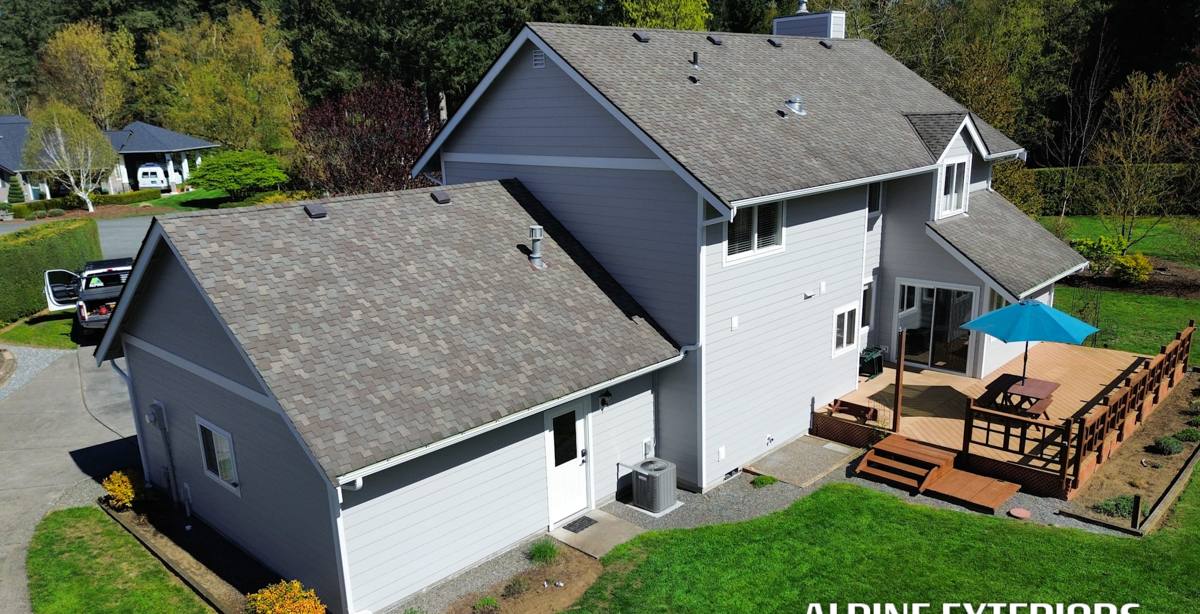
What Makes Whitfield Estates Different From a Generic Siding Job
A Mixed Housing Stock
Whitfield Estates has a mix of older, established homes alongside more recently updated properties. Older homes in this area often still carry original wood siding, aging vinyl, or a prior fiber cement product that was installed before manufacturers engineered their lines specifically for hot, humid coastal climates. Any of these can look fine from the curb while hiding years of moisture damage to the sheathing or framing underneath — damage that only shows up once the old siding comes off.
Proximity to the Water
Being close to Sarasota Bay and the Gulf means airborne salt settles on every exterior surface, including siding, trim, and fasteners. Salt is corrosive to standard metal fasteners and trim, and it accelerates the breakdown of lower-quality coatings. A siding system for this area needs corrosion-resistant fasteners and a factory finish that can stand up to salt exposure without chalking or fading within a few years.
Mature Tree Canopy
Many Whitfield Estates lots have mature landscaping and tree cover, which means siding also has to deal with shade-to-sun cycling, leaf debris in gutters and against wall surfaces, and higher humidity at ground level. That combination is exactly the kind of environment where lower-grade siding materials tend to develop moisture problems first.
Why We Install Only James Hardie Fiber Cement
We made a deliberate decision as a company to install James Hardie fiber cement siding exclusively — not vinyl, not LP SmartSide, not Cemplank or Allura, not primed wood. That's not a marketing preference; it's a standard we hold because of what we've seen hold up in this climate and what doesn't.
James Hardie fiber cement is non-combustible, which matters in Florida's building and insurance environment. It's engineered in specific formulations for different climate zones, and Florida falls into Hardie's HZ10 category — their product line built specifically for hot, humid regions where moisture management and long-term durability under UV and salt exposure are the priority. That's different from siding designed primarily for northern freeze-thaw conditions.
Hardie's ColorPlus finish is baked on at the factory under controlled conditions, rather than sprayed or brushed on site. That factory-cured finish holds color and resists fading, chalking, and cracking far longer than field-applied paint typically does in intense, near-constant Florida sun. It also comes with its own finish warranty, separate from the substrate warranty on the siding itself, and both are transferable if the home sells — a detail worth knowing if you're planning to stay in Whitfield Estates for the long haul or thinking about resale.
We're not going to tell you other products are junk — many of them work fine in the right application. But we've standardized on one system because we'd rather stand behind a smaller number of products we know intimately than install several we have reservations about.
What a Correct Fiber Cement Installation Actually Involves
Fastening and Clearances
Fiber cement siding is only as good as the installation behind it. Manufacturer specifications call for specific fastener types, spacing, and penetration depth — corrosion-resistant fasteners are non-negotiable this close to the coast. Ground clearance, deck clearance, and roofline clearance all matter too; siding installed too close to grade or to a roof surface traps moisture and accelerates deterioration regardless of how good the material is.
Flashing and Moisture Management
Every window, door, and penetration needs proper flashing integrated with a weather-resistant barrier behind the siding. In a wind-driven rain environment, water doesn't just fall — it gets pushed sideways and upward under pressure, so flashing details that would be adequate in a drier climate aren't good enough here. Kick-out flashing at roof-to-wall intersections and correct overlap sequencing are small details that make the difference between a siding job that lasts decades and one that fails at the seams within a few years.
Caulking, Gaps, and Paint Lines
Hardie's installation guidelines specify exact joint gaps and where caulking is required versus where it should be avoided entirely to allow the material to perform as designed. Over-caulking or under-caulking are both common mistakes that shorten a siding system's service life. Where field-cut edges are exposed, proper touch-up sealing protects the substrate from moisture intrusion at the cut.
Our Process, Start to Finish
- Assessment: We inspect your current siding, trim, and — where accessible — the sheathing underneath for existing moisture or pest damage before we ever quote the job.
- Material and color planning: We help you choose the right Hardie product line, plank exposure, and ColorPlus color for your home's style and your HOA or neighborhood expectations, if any apply.
- Permitting: We handle the permitting required for exterior siding replacement in Manatee County, including any wind-load and moisture-barrier documentation the job requires.
- Tear-off and substrate prep: Old siding comes off, damaged sheathing gets repaired, and a new weather-resistant barrier goes on before a single new plank is installed.
- Installation to manufacturer spec: Fastening, flashing, and clearances are done to Hardie's published installation guidelines — not shortcuts to save labor time.
- Final detailing: Trim, caulking, and touch-up work are finished, followed by a walkthrough with you before we consider the job complete.
- Warranty registration: We register your installation so your Hardie warranty coverage is properly on file.
How Fiber Cement Compares to Other Siding Options in This Climate
| Factor | James Hardie Fiber Cement | Vinyl Siding | Wood / LP SmartSide |
|---|---|---|---|
| Wind and impact resistance | High, rigid, holds up to wind-driven debris | Can crack or blow off in high wind | Moderate; vulnerable to impact damage |
| UV and color retention | Factory-baked ColorPlus finish resists fading | Colors fade and chalk over time | Field-applied paint needs repainting |
| Moisture behavior | Engineered for humid climates (HZ10), doesn't rot | Doesn't rot but traps moisture behind it | Vulnerable to swelling and moisture damage |
| Salt air durability | Strong when installed with corrosion-resistant fasteners | Generally stable but can become brittle | Higher maintenance burden near salt air |
| Fire resistance | Non-combustible | Combustible | Combustible |
| Typical maintenance | Low; occasional wash and caulk check | Low, but replacement panels can be hard to match | Higher; repainting and moisture inspection needed |
What It Costs and What Drives the Price
Every Whitfield Estates home is different, so we won't quote a number without seeing your house, but the main cost drivers are consistent from job to job:
- Home size and complexity: More square footage, more corners, and more trim detail all add labor time.
- Tear-off vs. new construction: Removing and disposing of existing siding, and repairing any substrate damage found underneath, adds cost compared to new-build installation.
- Product line and plank profile: Different Hardie product lines and exposures carry different material costs.
- Color choice: Standard ColorPlus colors versus custom or premium finishes can affect pricing.
- Accessibility: Homes with mature landscaping, fencing, or limited access around the exterior can add time to the job.
We'll walk through all of these with you during your estimate so there are no surprises once work begins.
Maintaining Your Fiber Cement Siding After Installation
One of the advantages of Hardie fiber cement is how little ongoing maintenance it needs compared to wood or repainted siding — but "low maintenance" isn't "no maintenance," especially this close to the coast.
- Rinse siding periodically to remove salt residue and airborne debris, especially on sides of the house facing the water or prevailing wind.
- Inspect caulking at trim and penetration points annually, and re-caulk any joints that have separated.
- Keep gutters clear so water isn't overflowing directly onto siding surfaces.
- Trim back vegetation that's in constant contact with siding to prevent trapped moisture.
- Address any impact damage promptly rather than letting a cracked or chipped section sit exposed.
Why Hiring a Crew That Already Works in Whitfield Estates Matters
Siding installation quality comes down to details that are easy to skip and hard to inspect after the fact — fastener spacing, flashing sequencing, clearance from grade, correct caulk joints. A crew that regularly works in Whitfield Estates and similar Manatee County neighborhoods already understands the permitting process, the wind and moisture requirements that apply here, and the specific stresses local homes face from salt air and storm exposure. That familiarity shows up in fewer callbacks and a siding system that actually performs the way it's engineered to over the following decades.
If you're weighing a siding replacement on your Whitfield Estates home, we're glad to walk your property, look at what's on there now, and give you a straightforward, no-pressure estimate for a correctly installed James Hardie fiber cement system. Use the form below to get started.